
Dealing with rats is stressful, and you probably want them gone as soon as possible. These pests spread disease and damage your home, so acting fast just makes sense.
Some methods work much faster than others, so you can get control before things get out of hand.
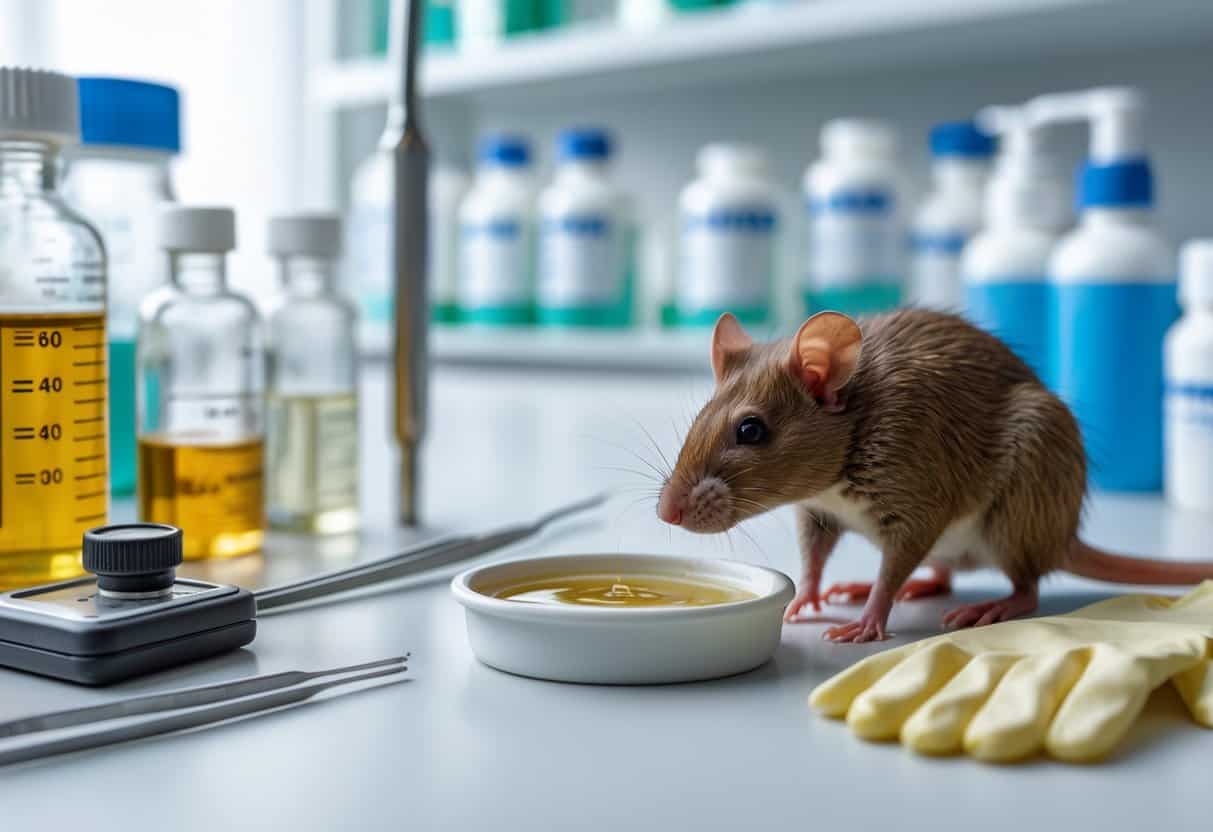
If you want the fastest results, snap traps or strong single-feed baits like brodifacoum usually do the trick. Snap traps kill on contact, while certain poisons can finish the job pretty quickly if you use them right.
It really comes down to your situation, your safety concerns, and how many rats you’re up against.
Knowing the best ways to handle rats lets you protect your home and family before things get worse. Ready to learn about the top tools and tricks for getting rid of rats fast? Let’s dive in.
Fastest Lethal Methods to Kill Rats
If you want to wipe out rats quickly, picking the right method really matters. Some tools kill rats almost immediately, while others take a bit longer but still get the job done.
Understanding how each one works helps you choose what fits your rat problem best.
Snap Traps and Their Immediate Lethality
Snap traps stand out as one of the quickest ways to kill rats. When you set them up right, they deliver a powerful blow that usually kills the rat instantly by breaking its neck or spine.
Use traps made for rats, not the smaller mouse ones. Place the trap perpendicular to the wall where you’ve seen rats run, and bait it with peanut butter or even bacon grease.
Wearing gloves helps keep your scent off, which can make a surprising difference.
Snap traps are cheap and you can use them again and again. Sometimes they miss or just injure the rat, so setting them carefully is important.
They don’t need batteries or power, so they’re simple and reliable for fast rat removal.
Rodenticide Poisons: Action Speed and Types
Rodenticide poisons kill rats, but not instantly. Most take anywhere from 12 hours to a few days.
This slower action actually helps prevent “bait shyness,” since rats might avoid bait if they see others die on the spot.
Here’s a quick rundown on poison types:
- Anticoagulants cause internal bleeding over several days.
- Cholecalciferol (Vitamin D3) leads to organ failure within a few days.
- Bromethalin works the fastest (12 hours to 2 days) by attacking the nervous system.
You have to be careful with poisons. They can harm pets, children, and even wildlife if not used right.
Dead rats might crawl into walls and die there, which leaves a nasty smell for weeks.
Glue Traps Versus Other Quick-Kill Options
Glue traps catch rats by sticking them to a super sticky pad, but they don’t kill quickly or humanely. Rats can suffer for hours or even days.
Compared to snap traps and electronic traps, glue traps take longer and just cause stress and injury instead of a fast death.
If you want fast and cleaner results, go for snap traps or electronic traps that shock the rat instantly.
Glue traps are easy to set up, but most pest control experts don’t recommend them. They just don’t solve the problem quickly or humanely.
If you’re after quick results without extra suffering, skip the glue traps.
For more details on fast rat-killing methods, check out this guide on instant rat killers.
Best Practices for Bait Placement and Rat Control Strategies
How and where you place bait can make or break your rat control efforts. Using the right bait and keeping it safe is important for your home, pets, and everyone else.
Stopping new rats from moving in means you need to avoid poison risks and keep up with prevention.
Choosing the Right Rat Bait and Bait Stations
Pick a bait that rats love, like peanut butter or commercial poison baits such as brodifacoum. These work well, but you need to handle them carefully.
Use bait stations to keep the bait out of reach from kids, pets, and wildlife. These stations lock the bait inside a plastic or metal box for safety.
Put bait stations along walls or near places where rats get in. Rats usually stick close to walls, so placing bait there means they’ll find it faster.
Replace bait often if it gets wet or something else eats it. Keeping it fresh makes it more effective.
Safe and Effective Use of Bait Stations
Follow the instructions on bait stations to keep risks low. Place stations where rats travel, but make sure kids and pets can’t get to them.
Check stations regularly to see if rats are taking the bait or if you need to refill it. Remove any dead rats quickly to avoid smells or health issues.
Using bait stations helps prevent secondary poisoning, which happens when other animals eat poisoned rats. Locked stations make it harder for pets or wildlife to get hurt.
Wear gloves when you handle bait and wash your hands after. If you’re not sure about using poison safely, it might be worth calling pest control pros.
Preventing Rat Infestations and Secondary Poisoning
Seal up any holes or gaps around your home. Grab some steel wool or expandable foam—those work pretty well for blocking rat entry points.
Store food in sealed containers. Toss your trash in bins with tight-fitting lids. If you cut down on food sources, rats just won’t find your place as appealing.
Try to keep your home clean. Sweep up crumbs and clear out clutter, since both can hide rat food or nests.
Watch out for secondary poisoning risks to pets and wildlife. If you use bait stations, keep an eye on them. That way, you help protect non-target animals while you deal with rats.
Want more details about bait placement and safety? Check out Best Rat Baits & Traps and Bait Stations for Controlling Rats and Mice.


