
Ever found yourself face-to-face with a rat and wondered, “Should I actually be scared?” Honestly, no—rats almost never attack people. They’re more likely to dart away than stick around and cause trouble.
Sure, rats can carry diseases, but you probably won’t get sick if you keep your place tidy and take a few basic steps.

Rats have a bad reputation, mostly thanks to scary stories about disease and destruction. But if you look closer, you’ll see they’re actually clever, social animals who would rather steer clear of humans.
Let’s dig into why rats seem scary, what risks they really bring, and when you should actually pay attention.
Why Are Rats Considered Scary?

People react pretty strongly to rats, and it’s not hard to see why. Their sharp teeth, quick darting movements, and long tails make some folks jumpy.
History hasn’t helped their image either—stories and rumors have piled on the fear.
Origins of Fear of Rats
A lot of our fear comes from the dark chapters in history, like when rats got blamed for spreading deadly plagues. The bubonic plague? People linked that to fleas hitching rides on rats.
That connection stuck, and now rats often symbolize sickness or danger.
It doesn’t help that rats move unpredictably. Their bare tails and sharp teeth can make anyone uneasy. There’s just something about them that triggers a “yikes” reaction, right?
You’ll often see rats in places people consider dirty or unsafe. So, your brain starts tying rats to filth, even if the ones you spot aren’t actually dangerous.
Common Myths vs. Facts
Maybe you’ve heard that rats are aggressive and attack people. Truth is, they avoid humans most of the time. They might bite, but only if they’re trapped or terrified.
Some folks think rats easily spread diseases to people today. But with modern hygiene, that risk drops way down. Yes, rats can carry germs, but you’re unlikely to get sick if you keep things clean.
Ever heard the one about rats predicting disasters by fleeing? Honestly, when rats run, it’s usually because they sense immediate danger, like a fire or flood—not because they have some sixth sense.
Cultural Perceptions of Rats
In a lot of cultures, rats get cast as villains or symbols of death and decay. Movies and stories haven’t done them any favors, either. No wonder people feel uneasy.
But not everywhere sees rats the same way. In some parts of India, people actually respect and even worship rats in certain temples. That’s a twist if you’ve only heard the scary stuff.
It’s kind of wild how culture and history shape our feelings about rats. Sometimes, it’s not even about the rats themselves.
Rats seen as scary because of history and myths
Potential Health and Home Risks from Rats
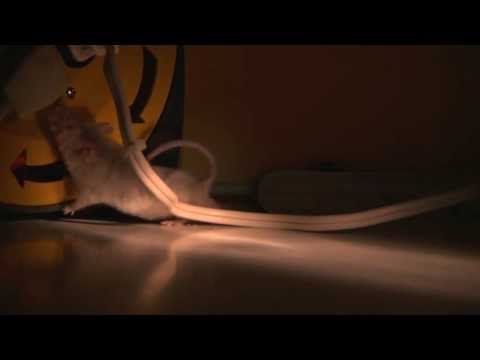
Rats bring more than just a creepy vibe when they sneak into your house. They can carry diseases, mess up your stuff, and even put your family and pets at risk.
Knowing what to look for can really help you keep your home and loved ones safe.
Diseases Spread by Rats
Rats carry a handful of nasty diseases that can affect you and your family. Their urine, droppings, and bites sometimes spread illnesses like hantavirus, which can cause serious lung issues.
They also spread leptospirosis, a bacterial infection you might get from water or soil contaminated by rats.
Rats can carry salmonella, which messes with your food and leads to food poisoning. Fleas living on rats might spread plague—though that’s rare these days.
Try to avoid direct contact with rats. If you find droppings, clean them up carefully to lower your risk.
Property Damage and Infestation Signs
Rats don’t just sit around—they chew through wood, plastic, and even electrical wires. Damaged wires? That can mean fire hazards.
Watch for these signs:
- Gnaw marks on furniture or food packages
- Scratching noises in your walls or ceiling, especially at night
- Droppings near where you store food
- A musky smell in hidden spots like basements or attics
Rats breed fast, so seeing one could mean there are more hiding out. Spotting these signs early can save you a lot of headaches.
Role of Pest Control
Pest control pros know how to spot where rats get in, find nests, and set up traps or bait safely. They use treatments that work without putting your family or pets at risk.
You can help by sealing up small holes around doors, windows, and pipes with steel wool or caulk. Keep food in sealed containers and clean up crumbs and spills right away so rats don’t get interested.
If you think you’ve got a rat problem, it’s smart to call pest control quickly. That way, you can deal with the issue before it gets worse.
Pet and Household Safety Concerns
Rats aren’t just a danger to you—they can harm your pets too.
If your dog or cat tries to catch a rat, the rat might bite or scratch back. That exposes your pets to infections like toxoplasmosis and other nasty diseases.
Rats spread bacteria that cause health problems in both pets and humans. It’s unsettling to think about, honestly.
They also create risks with their nesting habits. Cluttered or dark spots in your home make perfect hiding places for them.
Try to keep things tidy. If you clear away piles of wood or debris near your house, you give rats fewer places to live.
Protecting your pets and your household from rats just makes sense if you want everyone to stay healthy.


