
Thinking about getting a pet rat, or maybe you already have one? It’s totally normal to wonder if they can make you sick. Honestly, yes—pet rats can carry germs that might make people ill, even if they look perfectly healthy. But don’t panic. Not every rat will make you sick, and you can do plenty to keep yourself safe.
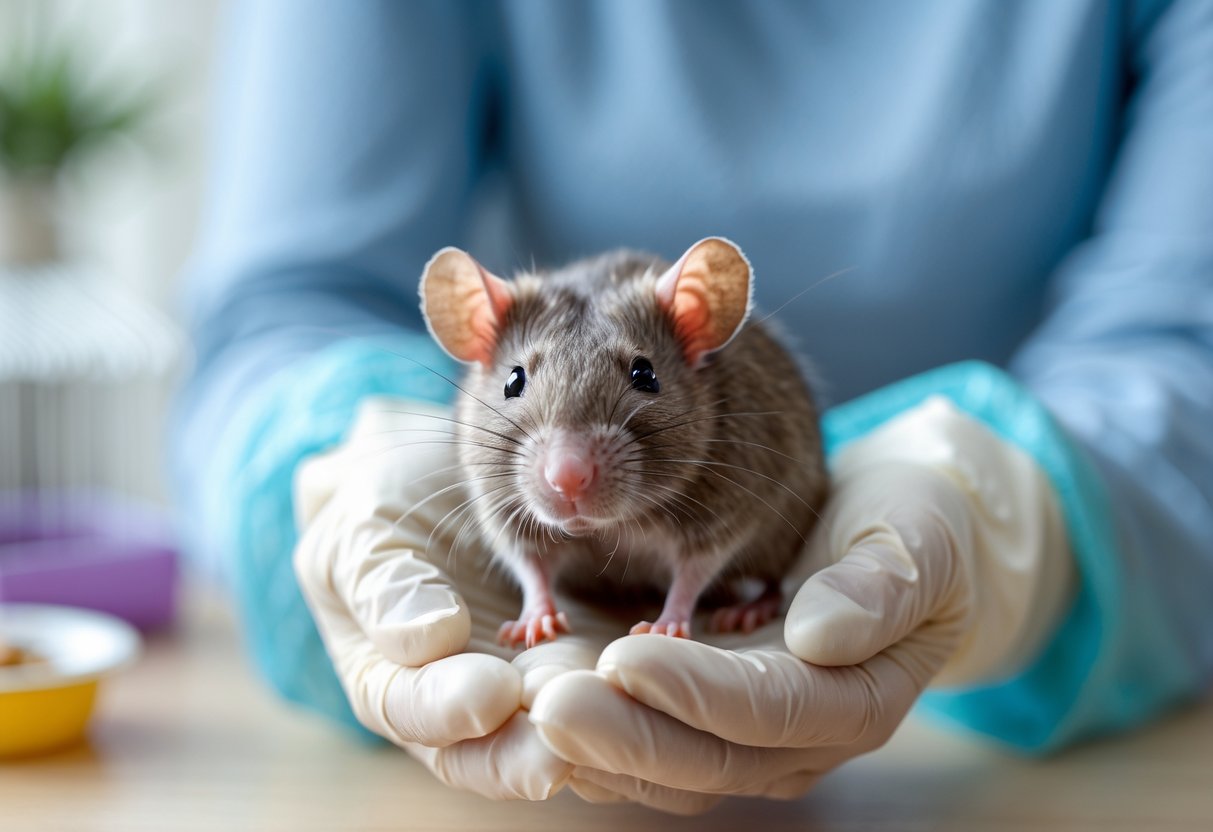
Rats spread diseases through their urine, droppings, and saliva. Illnesses like hantavirus, rat-bite fever, and Salmonella can jump from rats to humans.
If you care for your rat, clean up after them, and handle them safely, you really lower your chances of getting sick.
Washing your hands and keeping your rat’s cage clean go a long way. These small steps help you enjoy your furry buddy without much worry.
Health Risks From Pet Rats

Pet rats sometimes carry germs that can make people sick. These germs spread through bites, contact with urine or poop, or even from touching a dirty cage.
Knowing what to watch out for helps you protect yourself and your family.
How Pet Rats Transmit Diseases
Pet rats mostly spread diseases through bites, scratches, or when you touch their urine, poop, or saliva. Cleaning their cage can send tiny dust particles into the air, and those can carry germs.
If your pet rat comes into contact with wild rats or their droppings, it might pick up diseases and pass them to you.
When you clean the cage, wearing gloves and washing your hands helps keep you safe. Remind kids not to touch their face or mouth after handling rats until they’ve washed up.
Seoul Virus in Pet Rats
Seoul virus is one of the bigger concerns with pet rats. It’s a type of hantavirus that shows up in Norway rats, which are actually common as pets.
Rats spread this virus through urine, droppings, and saliva. You might catch it by breathing in dust from a dirty cage or if a rat bites or scratches you.
Seoul virus can cause hemorrhagic fever with kidney syndrome. That sounds scary—and it can be, since it affects the kidneys and can sometimes lead to kidney failure.
Even though it’s rare, keeping your rat’s space clean and avoiding wild rats cuts your risk quite a bit.
Symptoms and Severity of Infections
If you get sick from a pet rat, symptoms can be all over the place. You might get a fever, muscle aches, headaches, nausea, or just feel wiped out.
Some diseases, like rat-bite fever, can cause a rash or joint pain. The more serious stuff, like hantavirus or Seoul virus, can mess with your kidneys or cause bleeding. Those need a doctor’s attention right away.
If a rat bites or scratches you, or if you feel sick after handling one, let your doctor know about your contact with rats.
Who Is at Higher Risk From Pet Rats
Most healthy adults don’t have too much to worry about. But some people should stay extra careful.
Young kids, pregnant women, and folks with weaker immune systems can get sicker from things like LCMV or Seoul virus.
Pregnant women especially need to watch out, since some rat-borne infections can harm unborn babies. If you or someone in your home is at higher risk, take extra care with cleaning and keep pet rats away from wild ones.
It’s also a good idea to have a vet check your rats regularly for any signs of illness.
Want more info? Here’s a helpful page on diseases from pet rats.
Staying Safe While Caring for Pet Rats
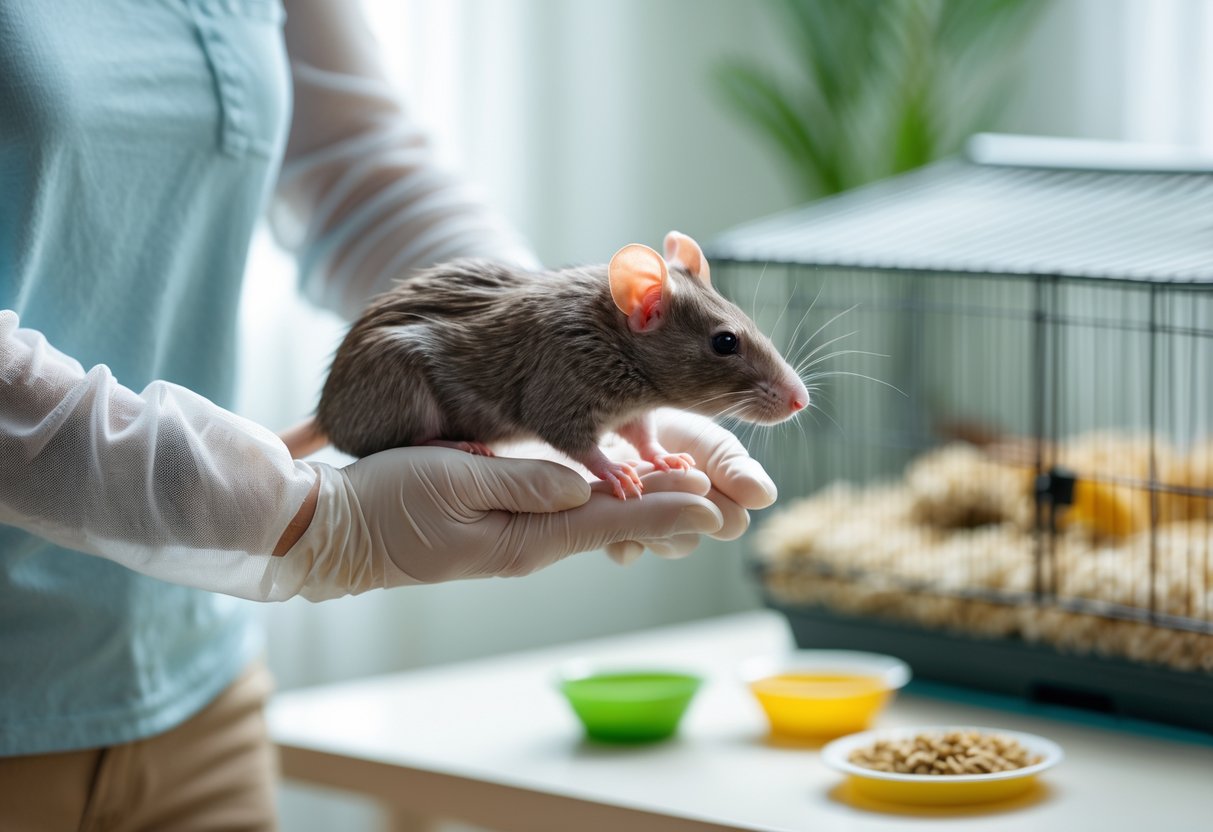
Keeping your pet rats healthy (and yourself safe) means paying attention to how you handle them and clean their space. It’s not rocket science, but it does matter.
A little effort goes a long way to keep your rats happy and your risk of illness low.
Safe Handling and Hygiene Practices
Always wash your hands before and after handling your pet rat. It’s a simple habit, but it helps stop germs like the Seoul virus or bacteria from bites and scratches.
Try not to handle your rat roughly. If you do get bitten or scratched, clean the spot right away with soap and water.
Wear gloves when you clean up droppings or urine, since those can carry bacteria like Leptospirosis. And don’t touch your face while handling rats or cleaning their cage.
Keep your rats away from wild rodents. Wild rats carry more diseases, and that’s not something you want in your home.
Habitat Cleaning and Disinfection Tips
Clean your rat’s cage at least once a week. Spot clean every day to get rid of urine and droppings.
Use disinfectants that are safe for rodents—harsh cleaners can really bother your rat’s lungs.
Swap out all the bedding when you do a deep clean. Wash their food and water bowls every day with hot, soapy water.
For your own safety, wear gloves and a mask when cleaning. Try not to stir up dust, since it can carry germs from rat waste.
Choosing and Introducing New Rats
Try to find your pet rats through a breeder or a pet store you actually trust. That way, you’ll avoid the diseases that wild Norway rats often carry.
When you bring a new rat home, set aside at least two weeks for quarantine. Keep an eye out for any signs of sickness before you let it meet your other rats.
Let rats meet each other slowly, and stick around to supervise. Choose a neutral spot—this makes things less stressful and helps prevent any fights.
Take your rats to the vet regularly. Catching infections early really does make a difference for the whole rat crew.


