
Spotting a rat in your room feels unsettling—maybe even a bit scary. Honestly, the best thing you can do is stay calm, keep pets and kids away, and try to either guide the rat out or set traps nearby.
Panic won’t help, but acting quickly can stop things from getting worse.
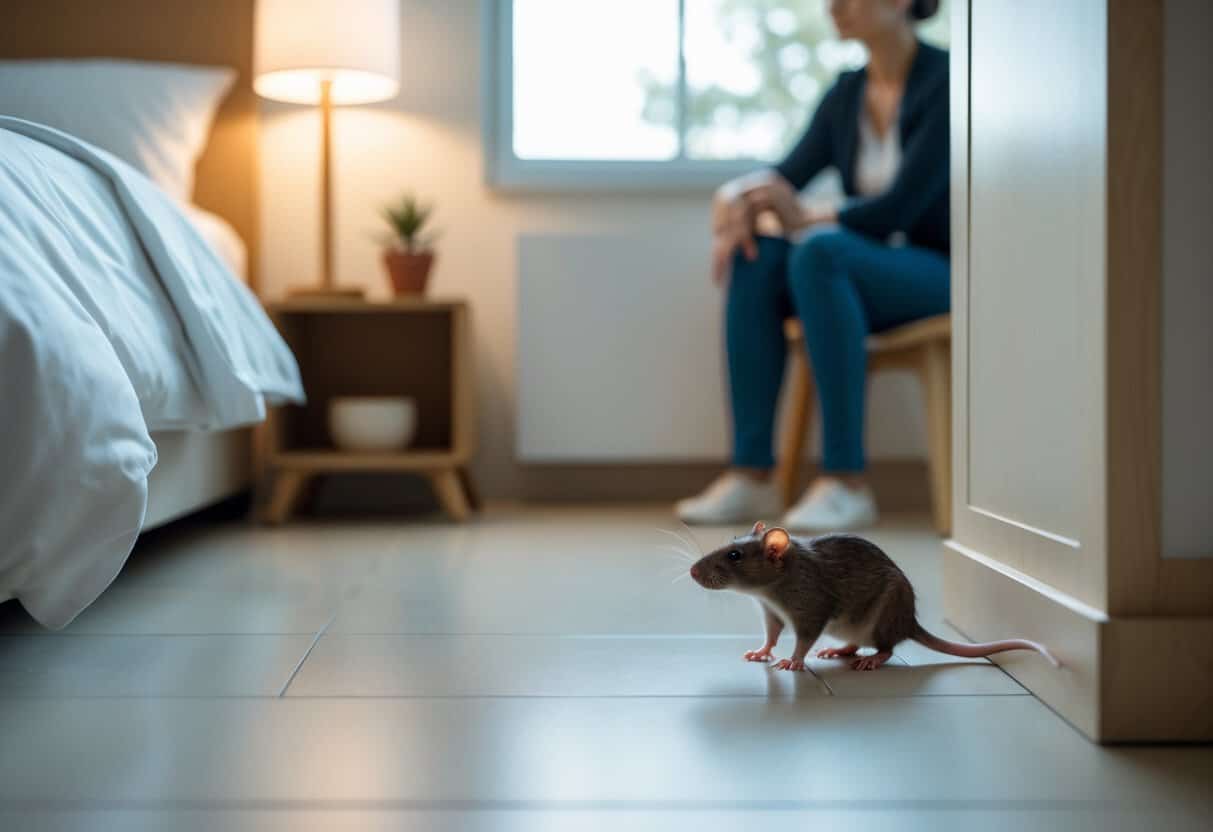
Check for any cracks or holes in the walls, doors, or windows to figure out how the rat got in. Keep food sealed and your room tidy—rats love easy access to snacks.
You don’t have to feel overwhelmed. Just using some practical steps can protect your space and help you avoid more rats sneaking in later.
Immediate Steps When You Discover a Rat
Finding a rat in your room can stress anyone out. Acting quickly and carefully helps reduce risks.
Stay safe, watch for signs of rat activity, keep your family and pets away, and try to stop the rat from moving around.
Stay Calm and Keep a Safe Distance
When you first see a rat, don’t panic. Rats move fast and can act unpredictably, so keep your distance.
Don’t try to catch or touch the rat, especially with your bare hands. Rats carry diseases like leptospirosis and hantavirus, so keeping your cool helps you think straight and avoid bites or scratches.
Ask everyone to leave the room slowly and quietly. If you can, close the door behind you to keep the rat inside.
Keep windows and other exits closed, but don’t block the rat’s escape route completely.
Protect Family and Pets from Risk
Rats can bring in germs like salmonella, which can get people and pets sick. Make sure kids and pets stay out of the room where you saw the rat.
If you have pets, pick up their food and water bowls so rats can’t contaminate them. Store pet food in sealed containers that rats can’t chew through.
Use doorstops or barriers to keep pets and kids out until you’ve handled the rat. Watch your pets for any odd behavior and call the vet if you’re worried.
Identify Evidence of Rat Activity
Look around the room for signs of rats, but try not to disturb their hiding spot. Watch for:
- Rat droppings: Small, black, pellet-shaped—usually near food or nests.
- Gnaw marks: On furniture, walls, or food packaging.
- Scratching sounds: Especially at night, which could mean rats are inside walls or ceilings.
- Nests: Made from shredded paper, cloth, or twigs.
Take note of where you spot these signs. This helps you target your removal efforts and figure out if it’s just one rat or something bigger.
Limit Rat Movement Within the Room
Try to keep the rat in one area—it makes trapping or removing it easier. Close doors or block off spots where the rat could escape to other rooms.
Pick up piles of clothes or boxes to reduce hiding places. Sweep up food crumbs and keep floors clean since rats are always looking for snacks.
If you spot gaps under doors or holes in walls, don’t seal them just yet. You might trap the rat inside, which can cause other problems.
Using peppermint oil or cayenne pepper around the room can help; rats hate those smells.
This approach gives you more control while you figure out your next steps.
Want a more detailed plan? Check out 6 Urgent Things To Do If You Find A Rat In Your House.
Removing and Preventing Rats from Your Room
To get rid of rats and keep them out for good, you’ll need to block entry points, use the right traps, clean up food and clutter, and decide if you’re handling things yourself or calling a pro.
Each step makes it less likely that rats will stick around.
Seal Rat Entry Points and Gaps
Rats squeeze through surprisingly tiny spaces, so check your room for holes. Look at door sweeps, window frames, vents, and cracks along the floor.
Use steel wool, wire mesh, or caulk to seal any gaps you spot. This keeps rats from slipping back inside.
Watch for gnaw marks or greasy tracks—those often point to active entry spots. Don’t forget to peek behind furniture or around your bed frame, especially if it has drawers.
Sealing these entry points really is one of the most important things you can do.
Select and Place Effective Rat Traps
Pick traps that work best for your situation. Snap traps work quickly and, if you use them right, they’re humane.
Place traps near where you’ve seen droppings, along run paths, or behind furniture. Peanut butter makes a great bait—rats love its smell and sticky texture.
Glue traps can catch rats, but be careful if you have pets or kids around. Live traps let you catch and release rats, but you’ll need to check them often.
Bait stations with poison are an option, but honestly, they should be a last resort because of safety concerns. Set traps in several spots and check them every day.
Remove Food, Water and Clutter
Rats show up when they find easy meals. Store pet food in sealed, pest-proof containers and clean up any crumbs or spills right away.
Don’t leave fruit or snacks out overnight. Fix leaks so rats can’t find water.
Declutter by getting rid of piles of paper, boxes, or clothes—rats love nesting in those. Regular cleaning cuts down on hiding spots and makes your room less appealing to rats.
Decide Between DIY or Professional Pest Control
You might want to try some DIY tricks first—things like setting traps or sealing up holes. Sometimes, though, rats just don’t budge, and honestly, it can get pretty frustrating.
In those cases, calling a pro makes sense. Experts like Smith’s Pest Management bring in safe rodenticides and smarter traps. They’ll spot rat burrows and sneaky entry points that most of us would probably miss.
They also stick around to give advice so you can keep rats out for good. If you’re hoping for a rat-free home without losing your mind, hiring professionals could save you a lot of time and hassle.


