
It can be alarming and confusing when your dog bites you aggressively. Understanding the reasons behind this behavior is key to managing it effectively. Dogs may display aggressive biting due to fear, frustration, or even a desire to play too roughly. Recognizing the signs of aggression, like growling or stiff body posture, can help you respond appropriately.
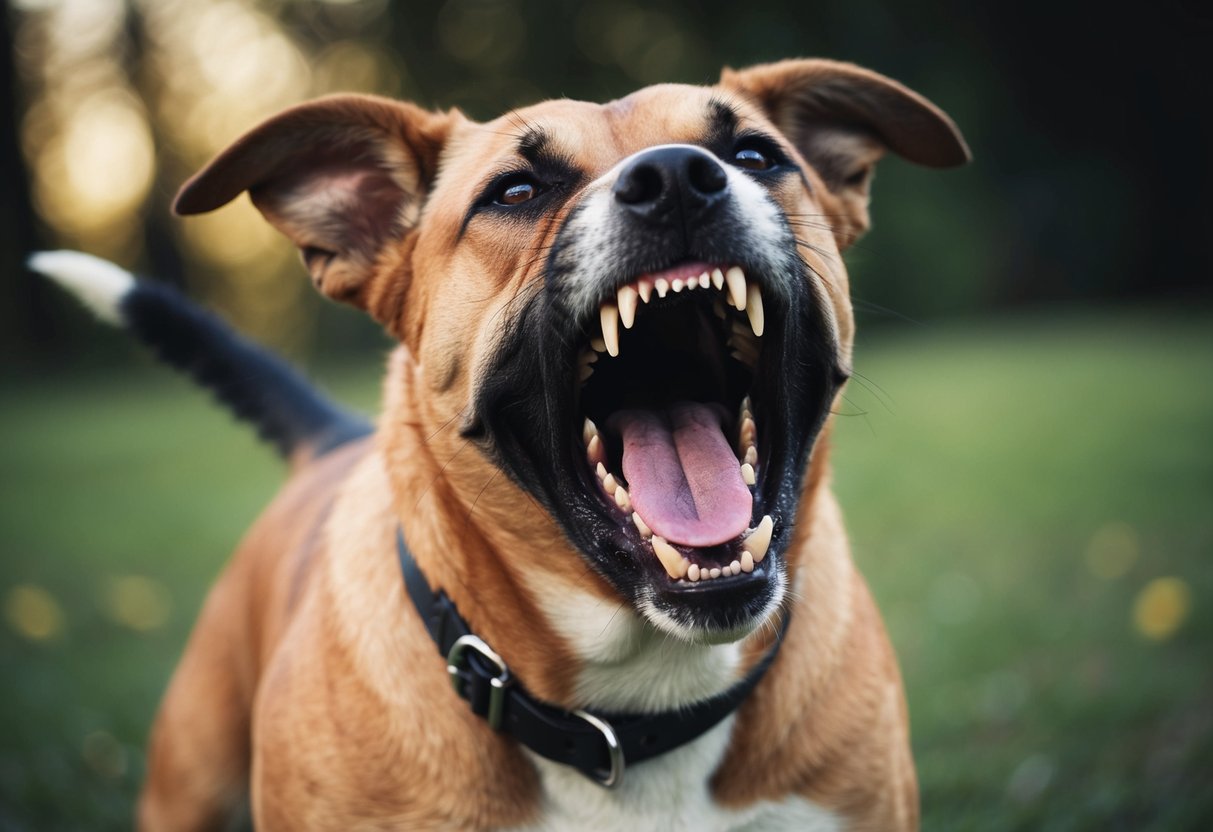
Many factors can influence why your dog bites. Sometimes it can stem from previous trauma or anxiety, while other times it might be a way to communicate discomfort with certain situations. By learning more about your dog’s behavior, you can create a safer environment for both of you.
If you notice aggressive behavior in your dog, you need to seek help. Consulting a professional trainer or behaviorist can guide you in addressing these issues effectively. With the right approach, you can help your furry friend feel more secure and reduce those biting incidents.
Understanding Canine Aggression
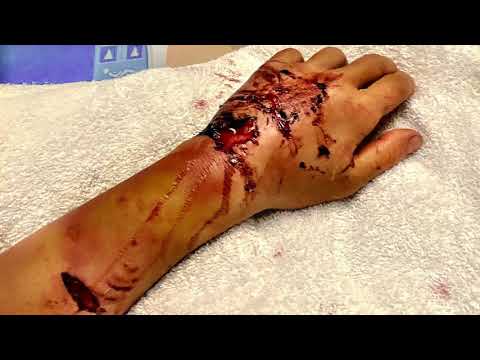
Understanding why your dog shows aggression is important. Aggression can happen for several reasons and may involve specific triggers and signs. It’s crucial to recognize what might cause this behavior and how to handle it.
Types of Aggression in Dogs
There are various types of aggression in dogs. Some of the most common include:
-
Fear Aggression: Your dog may react aggressively when scared. This can happen if they feel cornered or threatened. A fearful dog often shows signs of stress before snapping.
-
Resource Guarding: This occurs when your dog tries to protect something they value, like food or toys. They might growl or snap if they feel their possessions are at risk.
-
Possession Aggression: Similar to resource guarding, this type happens when a dog feels the need to defend something they consider theirs. It can involve growling or biting if someone approaches.
-
Redirected Aggression: Sometimes, a dog may become aggressive towards you or another person when they are frustrated by something else, like another dog. They might not mean to target you, but the energy has to go somewhere.
Common Triggers for Aggressive Behavior
Several triggers can lead to aggressive behavior in your dog. One common issue is fear and anxiety. If your dog feels threatened or uncomfortable, they might lash out.
Certain situations can also trigger aggression. These include:
-
Strange People or Animals: Dogs may react to unfamiliar faces or other pets, particularly if they feel their territory is being invaded.
-
Loud Noises: Thunder, fireworks, or other loud sounds can scare your dog, causing aggressive responses.
-
Overstimulation: Too much excitement or chaos can overwhelm your dog, leading to sudden aggression as a way to cope.
Understanding these triggers can help you prevent aggressive moments.
Recognizing the Warning Signs
Being able to recognize the warning signs of aggression is essential. Before an aggressive act occurs, dogs often display certain behaviors, such as:
-
Warning Growl: A deep growl can be a clear sign that your dog is uncomfortable. Pay attention to this sound; it’s their way of saying, “Back off!”
-
Stiff Body Language: If your dog stands rigid with a tense tail, they might be feeling threatened. Observe their posture closely.
-
Showing Teeth: A dog that shows its teeth is giving a clear warning. This can happen in both playful and aggressive situations.
Knowing these signs can help you intervene before a bite happens, keeping both you and your dog safe.
Preventive Measures and Training
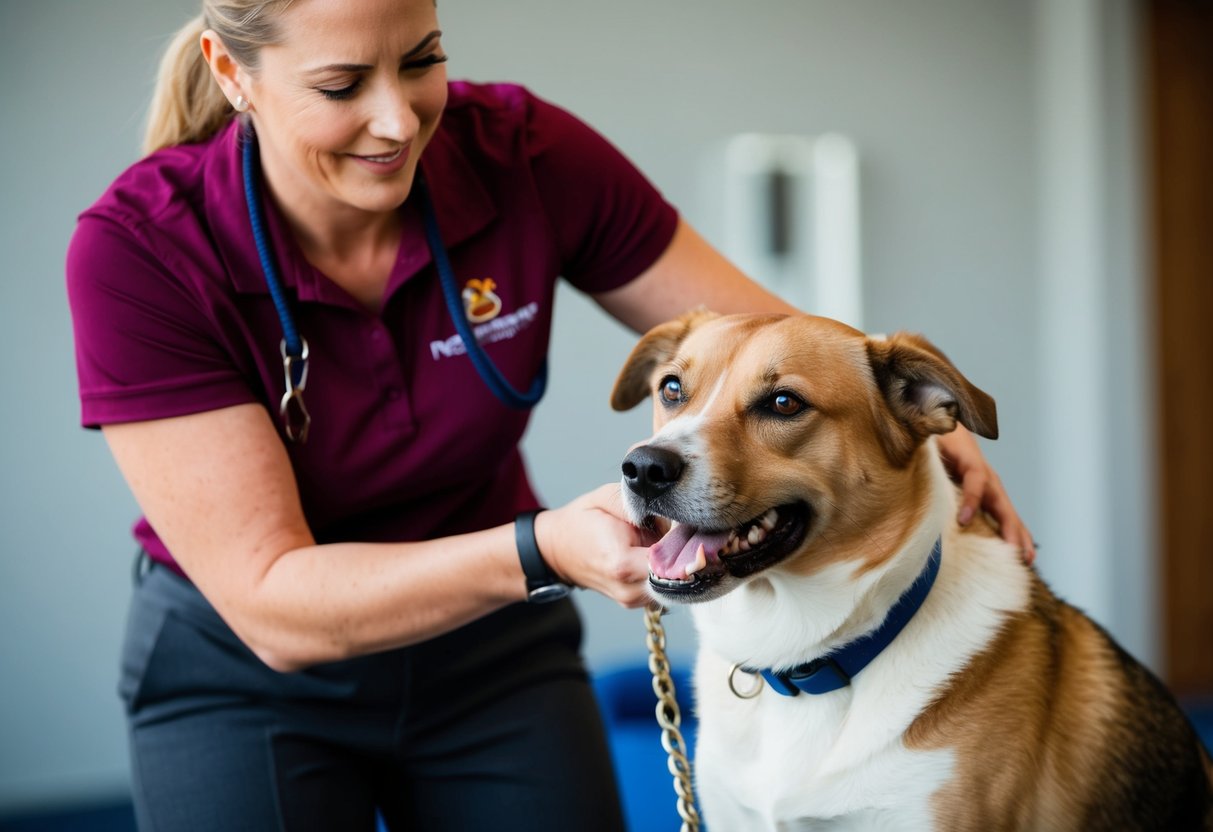
Preventing aggressive biting in dogs often comes down to effective training and socialization. By utilizing strategies like positive reinforcement and establishing a consistent routine, you can create a safer and more comfortable environment for both you and your dog.
The Role of Socialization
Socialization is crucial for your dog’s behavior. When your dog interacts positively with other dogs and people, it reduces anxiety and fear. Start introducing your pup to various situations early, including different environments, sounds, and people.
Make it a fun experience with positive reinforcement. Use treats or praise when your dog behaves calmly. This helps them learn how to respond to new experiences without aggression. Lack of socialization can lead to fear-based reactions. Regular outings can prevent this.
Obedience Training and Behavior Modification
Obedience training is a key factor in modifying your dog’s behavior. Incorporating basic commands like “sit,” “stay,” and “leave it” can establish your role as the leader and help your dog understand expectations.
Use positive reinforcement training to encourage desired behaviors. Reward your dog when they follow commands or remain calm. If your dog shows signs of aggression, practice desensitization. Gradually expose them to triggers while rewarding calm behavior.
Consider consulting a professional trainer if needed. They can provide specialized tools and techniques tailored to your dog’s behavior.
Establishing a Consistent Routine
A consistent routine benefits your dog’s mental and emotional health. Regular feeding, walking, and playtimes can help reduce anxiety and uncertainties, which are often triggers for aggressive behavior.
Incorporate mental stimulation through puzzle toys or training exercises. This keeps your dog engaged and can alleviate some aggressive tendencies by channeling their energy positively.
Always remain calm and assertive during interactions. An established routine reinforces your role as a dependable leader. The more secure your dog feels, the less likely they are to act out aggressively.
Professional Guidance and Solutions
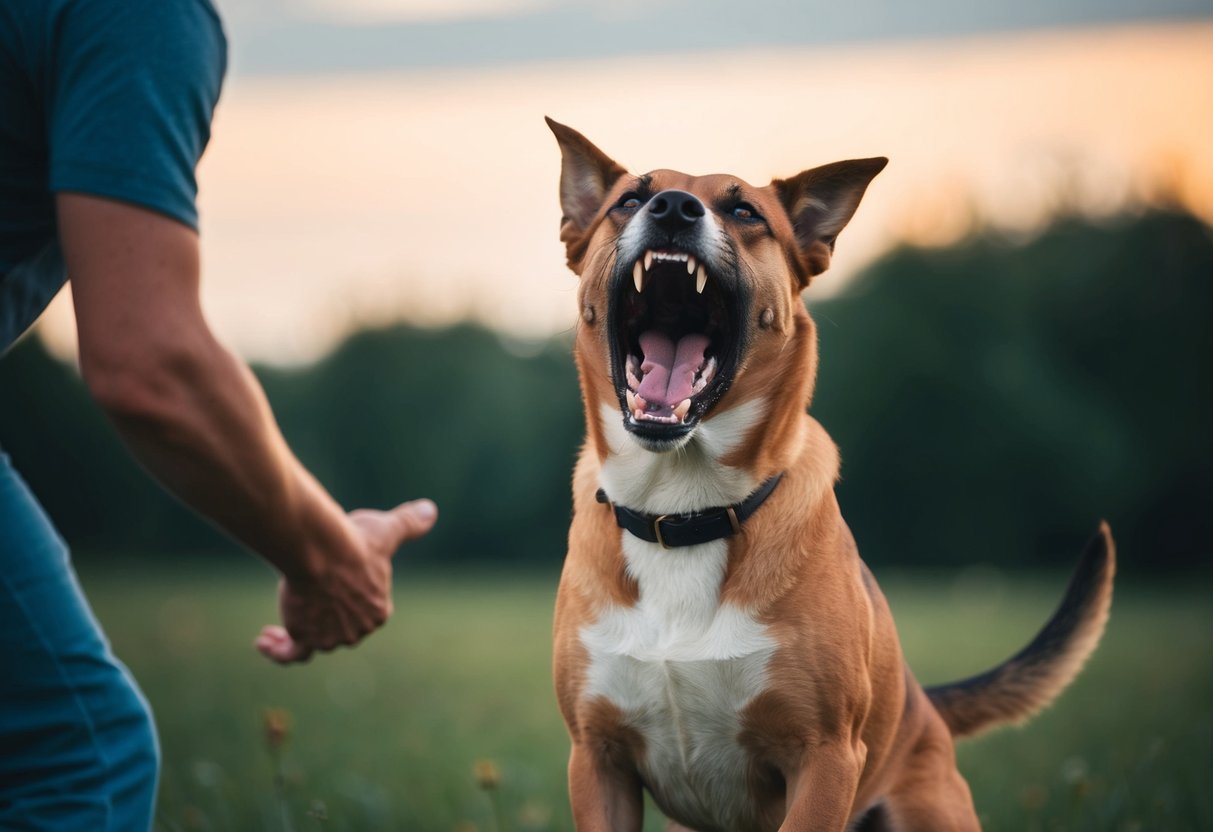
When your dog bites aggressively, it can be a source of worry. Seeking professional guidance is crucial to address the behavior effectively. Knowing when to consult an expert and how to choose the right one can make all the difference in ensuring a positive outcome for you and your dog.
When to Consult a Professional
You should reach out to a professional if your dog’s biting leads to injury or stress for you or others. Signs of serious aggression may include constant biting, growling, or snapping. If your pup shows fear-based aggression or only bites certain people, it’s time to get help.
A lack of training can often lead to unwanted behaviors. If you notice your dog engaging in play biting that escalates, this is another sign that expert guidance may be needed. You don’t have to tackle this alone. Professional dog trainers and animal behaviorists understand the underlying issues that could be causing your dog’s aggression.
Choosing the Right Expert
Selecting the right expert is vital for your dog’s progress. Look for a professional dog trainer who specializes in dog aggression. They can create a tailored training plan suited to your dog’s needs.
You might also consider a veterinary behaviorist if you suspect underlying medical issues contributing to the biting. Check their qualifications and ask about their methods. Look for someone who uses positive reinforcement techniques to encourage better behavior.
Don’t hesitate to ask for references or check reviews to ensure you’re making an informed decision. Selecting an expert with experience in aggressive behavior will give you the best chance for success.


