
When your dog lies on you, it can feel like a warm blanket of love and companionship. Dogs often lay on their owners because it’s a sign of affection and a way to bond with you. This behavior highlights the strong connection between you and your pet, showing that they trust you and see you as part of their pack.
Many factors influence this behavior, including comfort and security. When your dog rests on you, it not only helps them feel safe but also keeps you both close. It’s a simple yet powerful way for them to express their love and deepen the bond you share.
Understanding why your dog lays on you can enhance your relationship and help you respond to their needs. Whether it’s for comfort, warmth, or just to show they care, your furry friend’s need for closeness is a beautiful part of dog behavior that brings joy to both of you.
Understanding Canine Behavior and Affection

When your dog lies on you, it often signals affection and a deep bond. This behavior is influenced by their natural instincts and the chemicals that promote bonding between you and your pet.
The Role of Oxytocin in Bonding
Oxytocin is a hormone that plays a key role in how dogs bond with their owners. When your dog lies on you, cuddles with you, or engages in other affectionate behaviors, oxytocin is released in both of you.
This hormone strengthens emotional connections. It helps you feel closer to your dog, encouraging trust and love. Research shows that interacting with your dog can increase oxytocin levels, making those moments together even more special.
By allowing your dog to lie on you, you promote feelings of safety and affection, reinforcing your unique relationship.
Dogs as Pack Animals
Dogs are inherently pack animals. In the wild, they rely on their group for survival. Your presence provides a sense of belonging for your dog.
When your dog lies on you, they crave closeness with their “pack.” This behavior is not just about seeking warmth; it’s a way to reinforce their bond with you. Your dog feels secure and loved when they are physically close to you.
They instinctively see you as part of their family. This behavior also helps them recognize their place within your home, deepening their attachment to you. By understanding this instinct, you can better appreciate your dog’s behavior and enhance your relationship.
Reasons Your Dog May Lie on You
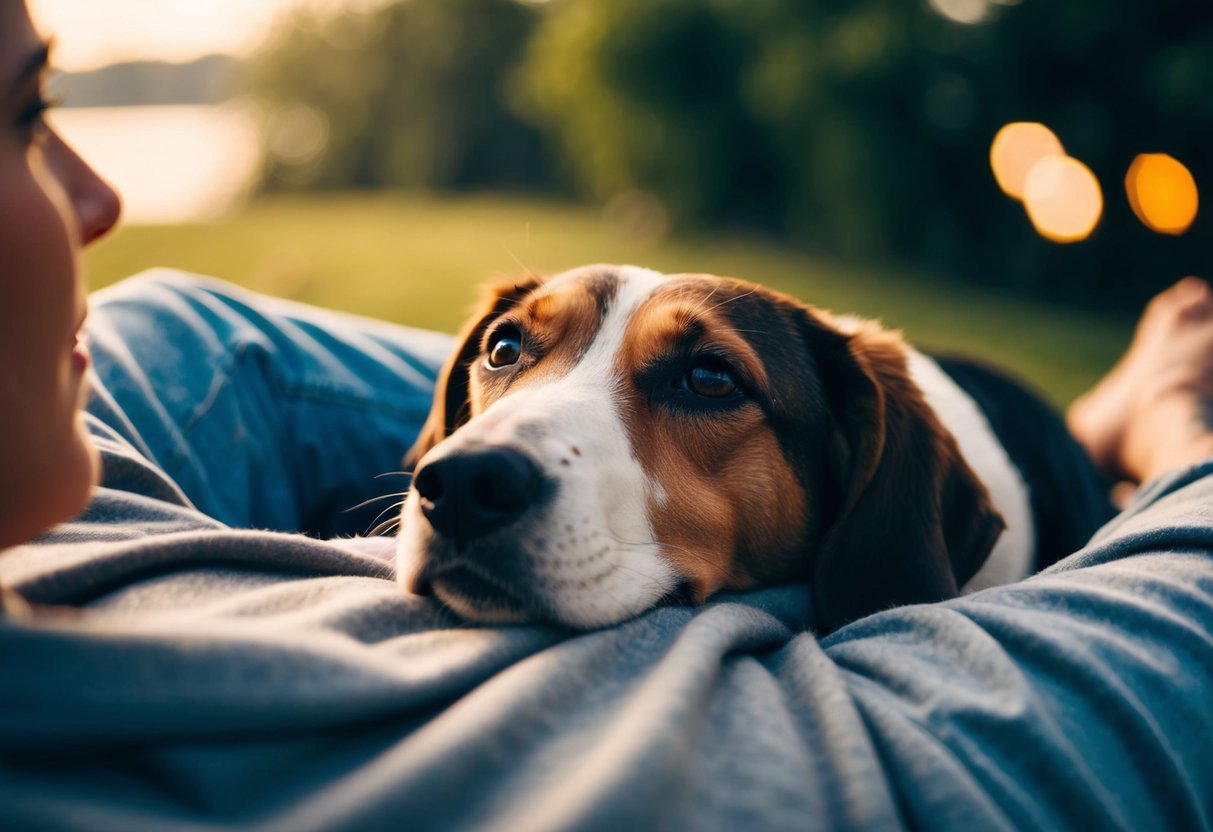
When your dog lies on you, it can mean a variety of things. Understanding the reasons for this behavior can help strengthen your bond and address any underlying issues.
Seeking Comfort and Security
Dogs are social animals that enjoy being close to their owners. When your dog lies on you, it often seeks comfort and security. This behavior is especially common during stressful situations, like thunderstorms or fireworks.
Your presence helps them feel safe. By lying on you, they can feel your warmth, hear your heartbeat, and enjoy the sense of protection. This physical closeness is a way for dogs to bond with you and to relieve anxiety.
Displaying Dominance or Resource Guarding
In some cases, your dog may lie on you to establish dominance or guard resources. This behavior can stem from a protective instinct. By lying on you, your dog may be signaling that you are part of their territory, which they feel necessary to guard.
Dogs often view their owners as part of their pack. By positioning themselves on you, they may be displaying their rank. This can be normal behavior, but it can also lead to issues, especially if your dog becomes possessive over you or your belongings.
Exhibiting Separation Anxiety
Separation anxiety is another reason your dog might choose to lie on you. If your dog becomes anxious when you leave, they may seek comfort physically. This behavior often occurs just before you leave home or when they’re unsure of your whereabouts.
Signs of separation anxiety can include whining, barking, or destructive behavior when you are away. By lying on you, your dog may be trying to ease their nerves and feel more connected. Addressing separation anxiety is vital for both you and your dog’s well-being.
The Significance of Dog Breeds and Individual Personalities
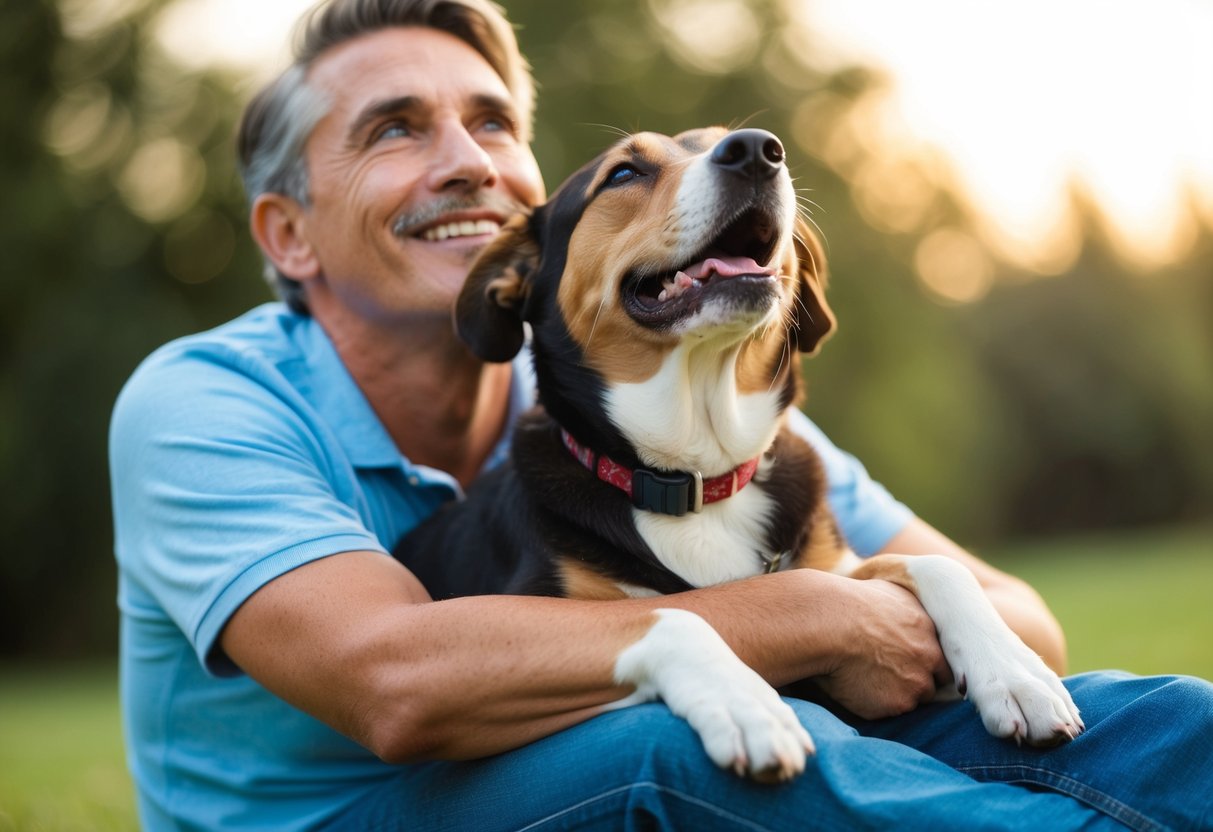
Understanding how dog breeds and their individual personalities impact their behavior can help you connect better with your furry friend. Different breeds have specific traits, while individual attitudes can also affect how dogs express affection.
Behavioral Tendencies of Affectionate Dog Breeds
Many affectionate dog breeds are known for their loving nature. Breeds such as Golden Retrievers, Labrador Retrievers, and Cavalier King Charles Spaniels often thrive on human interaction. They tend to show affection through cuddling and lying on you.
These dogs seek physical closeness because it makes them feel secure and loved. If you have an affectionate breed, you might notice that they follow you from room to room. Their desire to be close is a clear sign of devotion.
Understanding Small, Older, and Rescue Dogs
Small dogs like Chihuahuas or Pomeranians can also be very affectionate. Despite their size, they often seek warmth and comfort, making them great lap dogs. They may lie on you to feel protected and loved.
Older dogs often become more cuddly as they age. If you adopt an older dog, you might find that they enjoy lying next to you more than when they were younger. They may have developed a strong bond with you over time.
Rescue dogs may show affection differently. They might still need time to trust you. Once they settle in, though, they often display deep loyalty. When they lie on you, it’s a big step in their journey to feel safe.
Interacting With Your Dog Through Positive Reinforcement
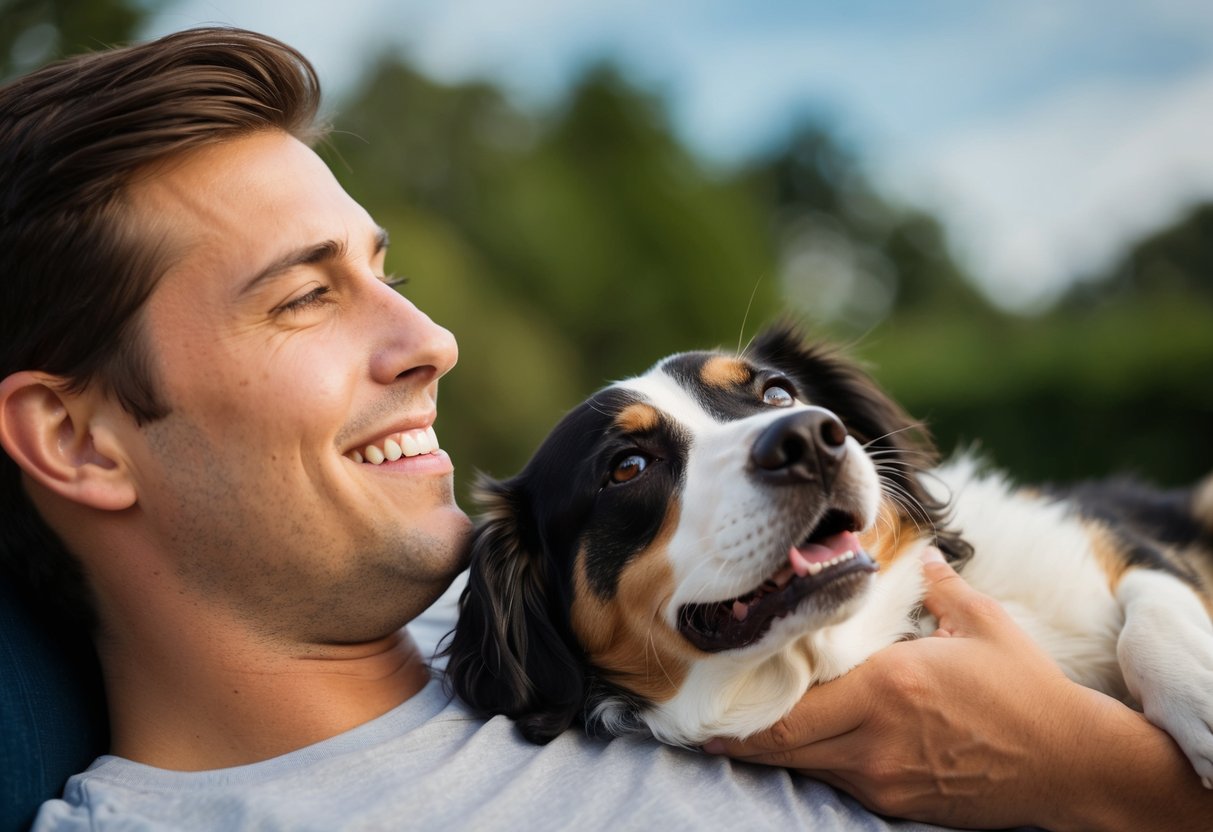
Using positive reinforcement is a great way to interact with your dog. It helps build trust and strengthens your bond. You can encourage good behavior and make your time together more enjoyable.
Encouraging Positive Interactions With Your Dog
To encourage positive interactions, reward your dog when they display desired behaviors. Show your appreciation with treats, praise, or petting. This will reinforce their good actions.
When your dog cuddles with you, it’s a sign of affection. During these moments, offer gentle praise. This reinforces that cuddling is a positive experience.
For female dogs, the same methods apply. They respond well to attention and affection. Engage them with soft words and rewards to build their confidence.
Games can also be part of positive reinforcement. Playing fetch or tug-of-war brings joy and encourages good behavior. Plus, diverting unwanted actions through play teaches them to focus on fun activities.


