
Teaching your dog to be quiet on command can make a big difference in your home. A simple and effective hand signal for a quiet dog is to hold your index finger in front of your nose. This gesture helps your dog understand that it’s time to settle down and be silent.
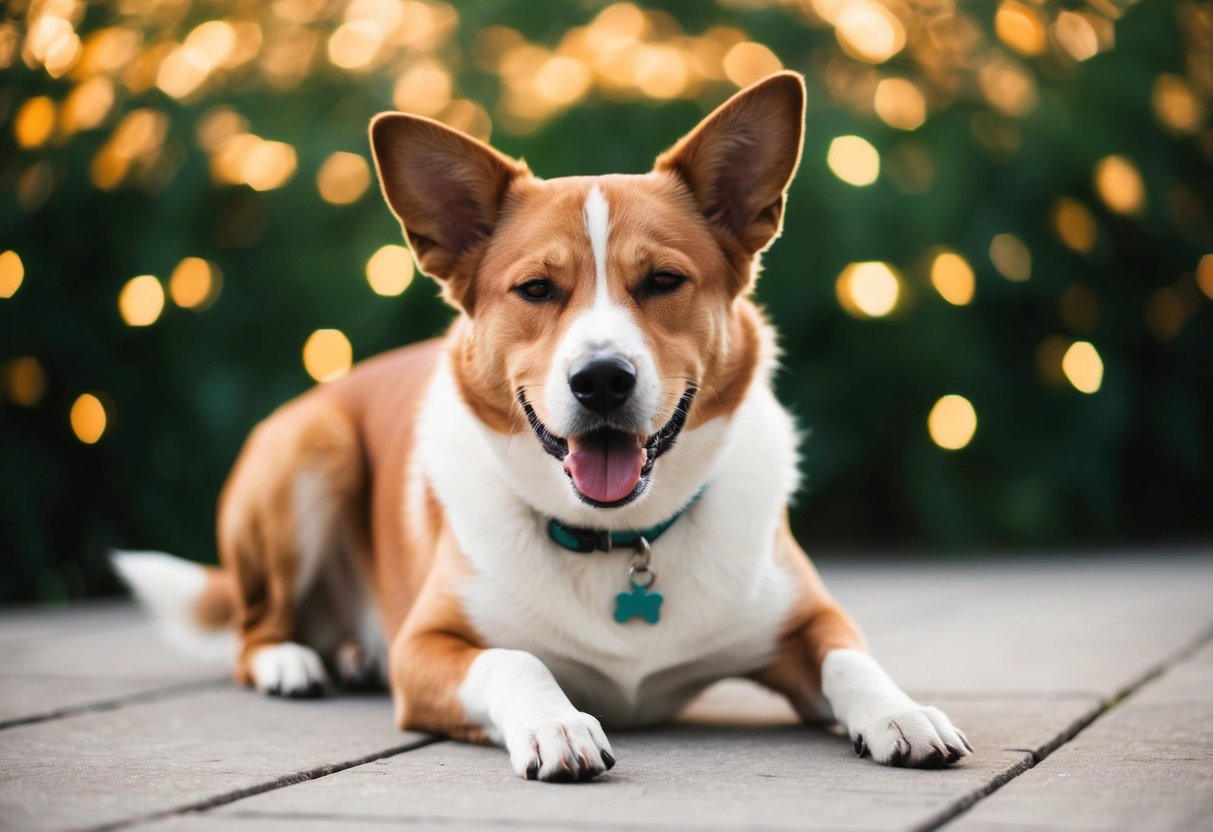
Understanding this hand signal not only improves your dog’s focus on you but also can be very useful in noisy situations where your voice might not carry.
With patience and practice, your dog will learn to associate this signal with quiet behavior, making your training sessions smoother and more enjoyable.
Using hand signals in conjunction with verbal commands builds a valuable communication system between you and your dog. Together, you can create a more peaceful environment and strengthen your bond.
Understanding Hand Signals in Dog Training
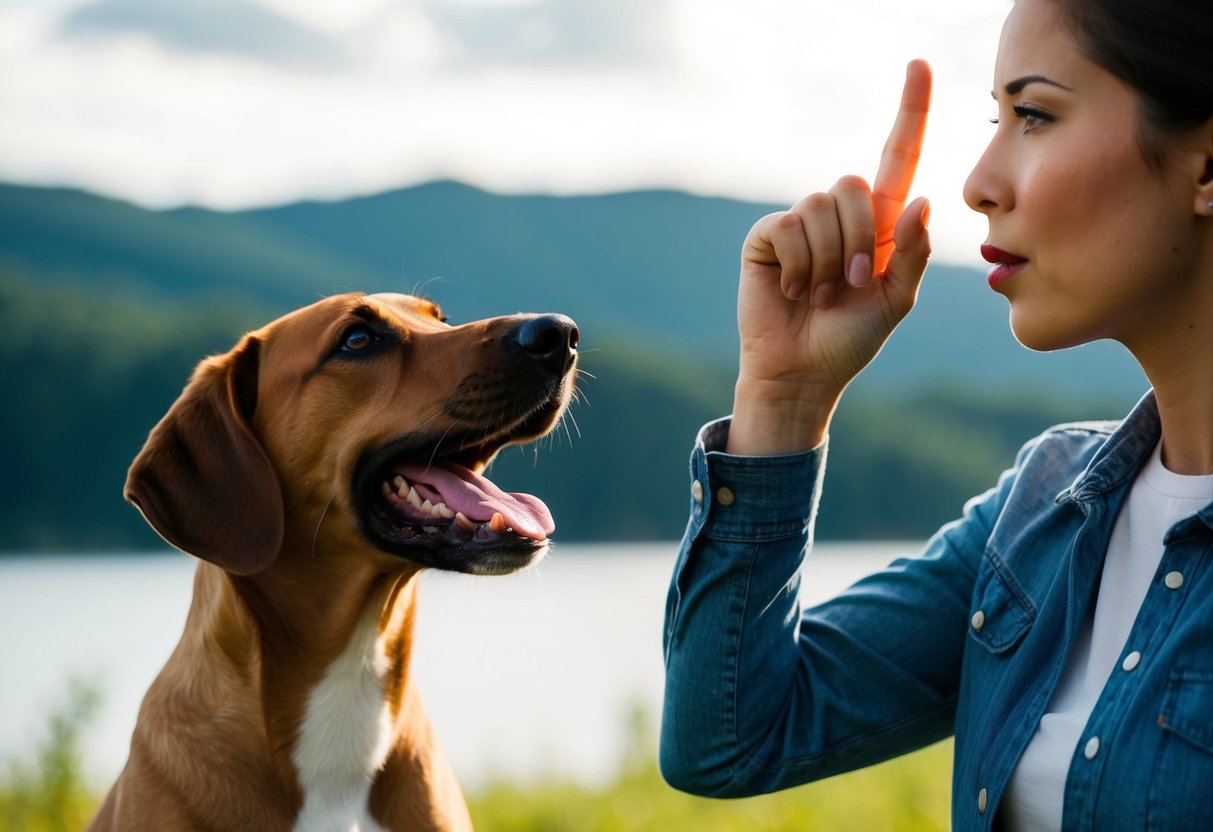
Hand signals play a crucial role in effective dog training. They help clarify commands and improve communication between you and your dog. Both visual cues and nonverbal cues can enhance obedience and understanding.
Essentials of Dog Training Hand Signals
When training your dog, hand signals should be clear and consistent. Begin with basic commands like sit, stay, and come.
Each signal should represent a specific action. For example, raising your hand with the palm facing down can mean “stay.”
It’s important to pair hand signals with verbal commands at first. This helps your dog connect the two.
Practice in a quiet area to minimize distractions. Use treats to reward your dog for responding correctly.
Consistency is key, so repeat the signals often during training sessions.
The more you practice, the better your dog will learn. Consider using a chart or visual guide to remember the signals. Over time, your dog may start responding solely to the hand signals without verbal prompts.
Differences Between Verbal and Nonverbal Cues
Verbal commands are spoken words you use while training. Nonverbal cues include hand signals and body language.
Dogs generally respond well to both forms of communication. However, they often excel with nonverbal cues since dogs rely heavily on visual signals.
Hand signals can sometimes be easier for dogs to understand, especially in noisy environments. For instance, if your dog is distracted, it may not hear your voice but will see your hand signal. This is why having hand signals is beneficial.
Mixing verbal commands with hand signals can improve your dog’s focus. As your dog notices your body movements, it will learn to pay attention to you more. This combination can lead to a stronger bond and better training outcomes.
Implementing Hand Signal Training

Training your dog to respond to hand signals can greatly enhance communication between you and your pet. It involves consistency, patience, and positive reinforcement. Here’s how to get started.
Start with Basic Commands
Begin your training sessions by focusing on basic commands like “sit,” “stay,” and “come.”
Choose one command at a time to avoid overwhelming your dog.
Hold a treat in your hand and give the verbal command while showing the hand signal. For example, use an open palm raised slightly for “sit.”
When your dog successfully completes the action, immediately reward them with the treat and praise. This teaches your dog that responding to the signal is rewarding.
Repeat this process until your dog consistently responds to the hand signal without the verbal cue.
Keeping training sessions short, around 5 to 10 minutes, helps maintain your dog’s attention and enthusiasm.
Teaching Hand Signals for Common Commands
Once your dog understands basic commands, it’s time to add hand signals for common commands.
Focus on signals that are easy to recognize and distinct from each other. For instance, you might use a downward motion of your hand for “lie down” and a sweeping gesture towards your chest for “come.”
Use positive reinforcement to encourage your dog. Each time they respond correctly, reward them with treats or affection.
Consistency is key, so practice the same signals each time.
Make sure to train in a distraction-free area to help your dog focus. Gradually introduce new commands as your dog masters each hand signal. This approach builds confidence and strengthens the bond between you and your dog.
Advanced Hand Signal Techniques
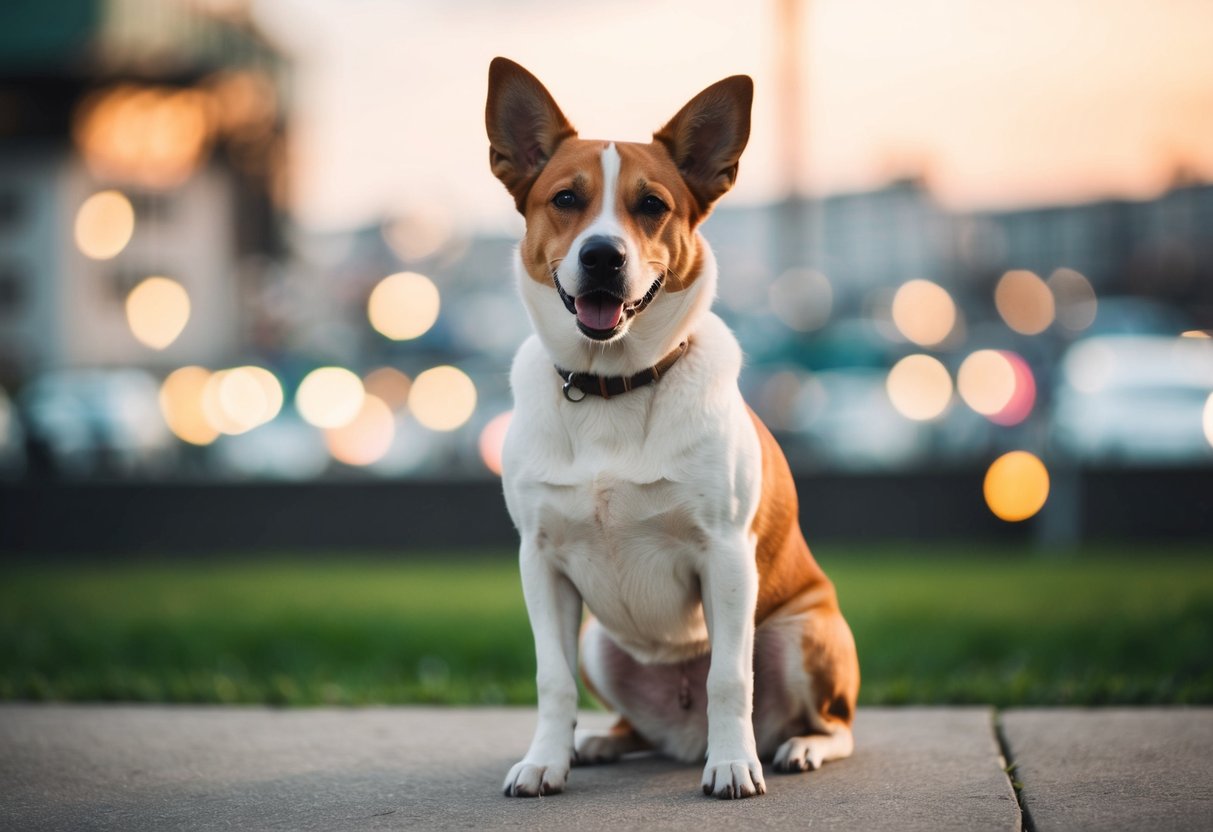
Using advanced hand signals in dog training can enhance your communication with your dog, especially during agility and obedience competitions. These techniques not only strengthen your bond but also improve your dog’s performance in various activities.
Training for Agility and Obedience Competitions
In agility training, clear hand signals are key for guiding your dog through obstacles. For instance, you can use your arm extended to the side to signal your dog to take a turn.
It’s effective to practice lure-and-reward training so your dog learns to associate these signals with actions.
In obedience competitions, signals for commands like “down” and “stay” must be precise. For “down,” a low hand motion can indicate to your dog to lay down.
Consistently rewarding good responses reinforces your commands and builds reliability, setting your team up for success.
Specialized Signals for Dog Sports
In dog sports, specialized signals can make a big difference. You might use a sweeping hand gesture to indicate a jump or a clear finger point for a recall.
These gestures become second nature with practice.
It’s essential to pair these signals with verbal cues initially. This helps your dog understand what you expect.
Over time, as your dog becomes more familiar, you can phase out the verbal commands and rely solely on your hand signals. Incorporate these advanced techniques, and watch your dog thrive in various sports.
Special Considerations in Hand Signal Training
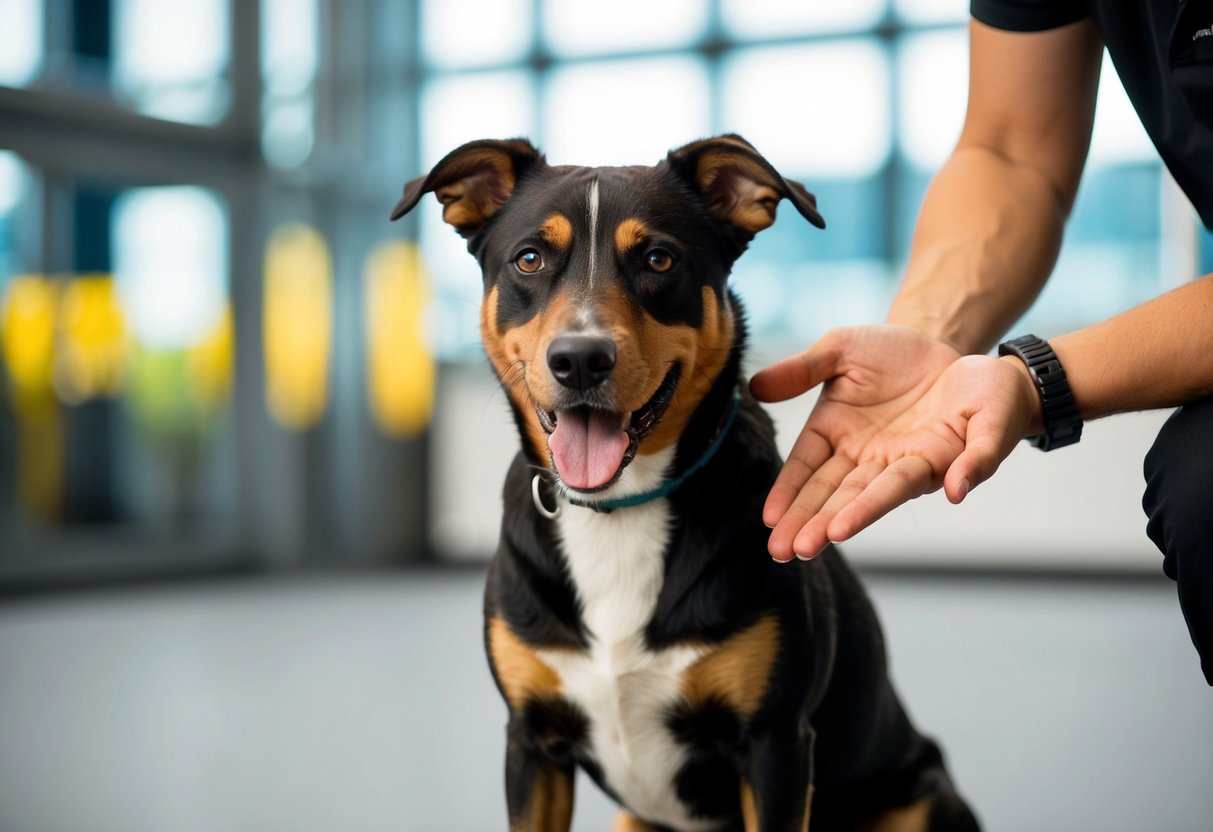
When training your dog with hand signals, it’s important to adapt your methods according to their needs. Understanding how to work with different dogs, especially those that are deaf, can make your training more effective and enjoyable.
Adapting Techniques for Training Deaf Dogs
Training a deaf dog requires you to use visual cues like hand signals instead of verbal commands. Start by ensuring your dog is focused on you before giving a signal. You can use brightly colored lights or hand gestures to grab their attention.
Clicker training is helpful here too. Use a clicker to mark the moment your dog does what you want, then follow it with a treat. This helps create a positive association with the signals.
Remember, consistency is crucial. Use the same hand signals for each command to build understanding.
Reinforce obedience training by practicing in various environments to teach your dog to respond in distractions. Keep training sessions short and fun to maintain their interest and improve learning.


