
People eat venison for a handful of reasons: it tastes lean, it brings you closer to the land, and it’s a healthy, local source of protein. If you’re after meat that’s lower in fat, usually free from added hormones, and tied to the seasons, venison checks all those boxes.
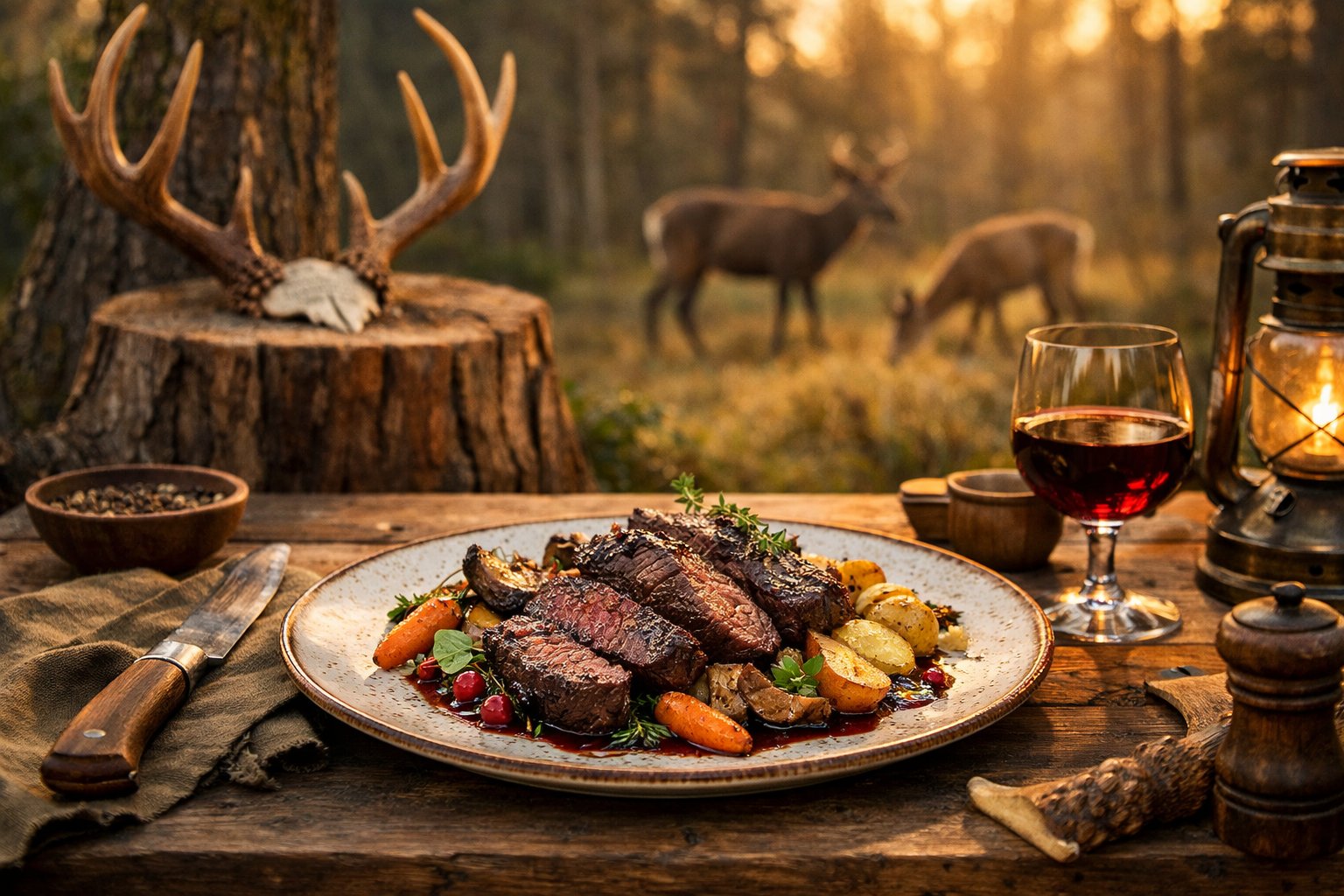
There’s more to it, though. When you learn how deer eat and what their bodies need, you start to see how hunting, farming, and wild animal habits actually shape what ends up on your plate.
So, let’s dive into how a deer’s digestive system and feeding habits explain what you eat—and why it matters for taste, health, and even conservation.
Deer Dietary Habits and Digestive System

Deer mostly eat plants. They pick foods that give them protein, energy, and minerals.
Their eating habits change with the seasons and their life stage. Their stomachs are built to pull nutrients from tough plant stuff.
Herbivorous Nature and Selective Feeding
Deer are true herbivores. They’d rather eat nutrient-rich plant parts than tough, bulky forage.
They act as concentrate selectors, going for young leaves, shoots, forbs like clover, alfalfa, fruits, and nuts—think acorns or hickory.
They’ll eat grasses, but usually only when new shoots pop up in spring. In places where people live, deer often go after apples, berries, or even farm crops like corn, soybeans, and wheat.
Deer choose plants to get enough protein, carbs, fats, calcium, and phosphorus. Lactating does and bucks growing antlers need more protein and minerals.
Local deer, whether white-tailed or mule deer, shift their choices based on what’s around and what’s easiest to digest.
Adaptations of the Ruminant Digestive System
Deer digest plants using a four-chambered stomach: the rumen, reticulum, omasum, and abomasum.
The rumen is where microbes break down fiber and ferment carbs into energy.
The reticulum forms cud for re-chewing, which helps break food down more.
The omasum absorbs water and some nutrients.
The abomasum acts like a true stomach, using acids and enzymes to digest proteins.
This whole setup lets deer pull protein and minerals from twigs, leaves, and bark—stuff people just can’t eat. Their rumen microbes do a lot of the work.
That’s why deer can survive on low-quality winter browse. But their rumen needs a balance of carbs and protein for the microbes to thrive, so eating just corn or crops misses some key micronutrients.
Seasonal Diet Variations and Nutritional Needs
Deer change what they eat as the seasons shift. In spring and summer, they go for forbs, clover, alfalfa, and young leaves—foods that are high in protein and water.
This diet supports antler growth and lactation. In fall, deer switch to mast—acorns, nuts, apples, berries—to pack on fat for winter.
These foods are loaded with carbs and fat, perfect for building reserves.
Winter is tough. Deer end up eating twigs, buds, and woody leaves. That stuff is low in protein and minerals, so deer rely on their rumen microbes and whatever body fat they’ve stored.
If food gets scarce or the winter’s harsh, it can stunt antler growth or lower reproductive rates. It even changes the plants you’ll see around, since heavy browsing can reshape the local landscape.
Managing habitat and what food’s available really does affect deer health and the plants in your area.
Opportunistic Meat Consumption in Deer

Deer stick to plants most of the time, but sometimes they’ll eat animal food if it helps them survive. There are a few stories and studies out there about this, and it’s honestly kind of fascinating.
Documented Cases of Carnivorous Behavior
Researchers and wildlife folks have seen deer nibbling on small amounts of meat—things like carrion, bird eggs, and even small mammals.
Some sightings show deer chewing on fish, scavenging roadkill, or raiding nests for eggs and chicks. These are rare and usually just happen when the opportunity pops up.
A lot of these reports come from field studies or camera traps that catch odd moments.
Male deer will also chew bones or shed antlers for minerals. That’s different from actual meat-eating, but it can look similar from a distance.
Nutritional Deficiencies and Survival Strategies
When plant food gets scarce or isn’t very good, deer might go after animal protein or bones for nutrients.
They need more calcium and phosphorus during antler growth or lactation, which can push them to gnaw bones or eat eggs.
Scavenging gives them a quick boost of protein and minerals that plants might not offer.
But let’s be clear—this isn’t a regular thing. Deer don’t have guts built for heavy meat diets.
Grabbing animal food is just a survival move when times get tough, like during nasty winters or when their habitat takes a hit.
Ecological Role of Dietary Flexibility
When deer eat animal food, they can shake up small local food webs. If they go after eggs or scavenge carrion, they might cut down the numbers of ground-nesting birds or make less carrion available for classic scavengers like foxes and vultures.
That really sends some ripples through the ecosystem, doesn’t it?
On the management side, this dietary flexibility can make human-wildlife conflicts more complicated. Deer searching for extra protein might wander into neighborhoods, drawn by pet food, livestock feed, or even garbage.
Wildlife managers keep an eye on these habits. They use what they find to decide if they need to step in with habitat improvements or maybe put some feeding restrictions in place.


