
When your Boxer dog starts pawing at you, it can feel more like a playful tap than a cry for help. This behavior often means your dog is seeking attention or affection from you.
Boxers are known for their friendly and energetic nature, making them expressive companions. Pawing is one of the ways they communicate, showing you they want to be close or need something.
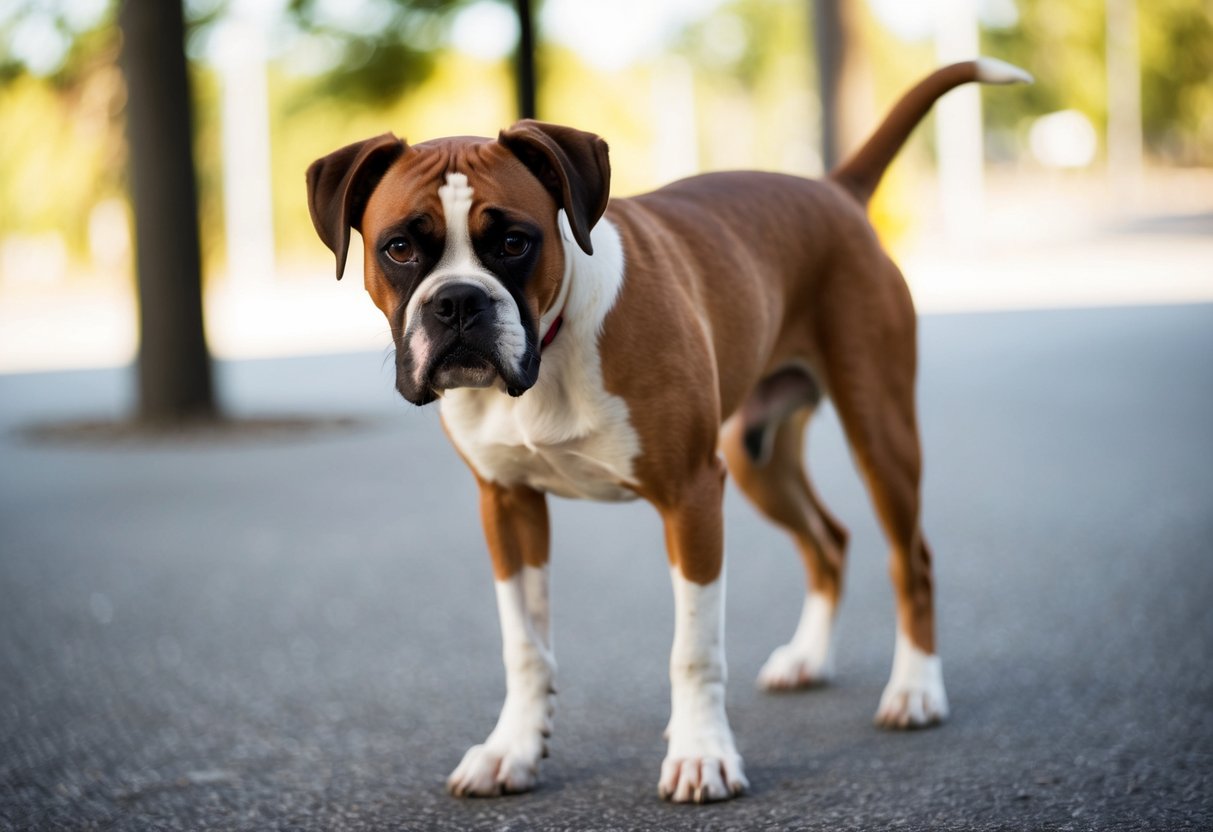
Understanding canine body language is key to interpreting your Boxer’s actions. They might want you to play, go for a walk, or just enjoy some pets.
As a dog breed that thrives on social interaction, Boxers use their paws to strengthen their bond with you. The pawing can also serve as a playful gesture, making your time together enjoyable and lively.
If you’ve ever wondered why your Boxer chooses to paw at you, you’re not alone. Many dog owners experience this cute behavior. As you continue reading, you’ll discover the different reasons behind your Boxer’s pawing, giving you insights into their world and needs.
Understanding Boxer Dog Behavior

Boxers are known for their playful and loving nature. Understanding their behavior can help you connect better with these energetic companions. By observing their body language and affectionate habits, you can learn how they communicate their feelings.
The Role of Body Language in Communication
Boxers use body language to express their emotions. When a Boxer wants your attention, they may paw at you. This behavior is a way of asking for play or affection.
Key signs of Boxer communication include:
- Tail Wagging: A wagging tail often indicates excitement or happiness.
- Licking: If your Boxer licks you, it’s a sign of affection and bonding.
- Eye Contact: Making eye contact shows trust and connection.
These signals are vital for understanding your Boxer’s feelings. The more you recognize their non-verbal cues, the better you can respond to their needs.
Boxers as Energetic and Affectionate Breeds
Boxers are high-energy dogs that thrive on interaction. They love to play and engage with their owners, making them perfect companions for active households.
Their affectionate nature is one of their most endearing traits. Boxers often seek physical closeness, wanting to snuggle or be near you.
Common behaviors include:
- Pawing: A playful way to get your attention.
- Jumping: May indicate excitement or a desire to play.
- Cuddling: Shows their need for affection and warmth.
Acknowledging these behaviors helps you strengthen your bond with your Boxer. They are loyal and loving, eager to share their energy and companionship with you.
The Significance of Pawing in Dogs
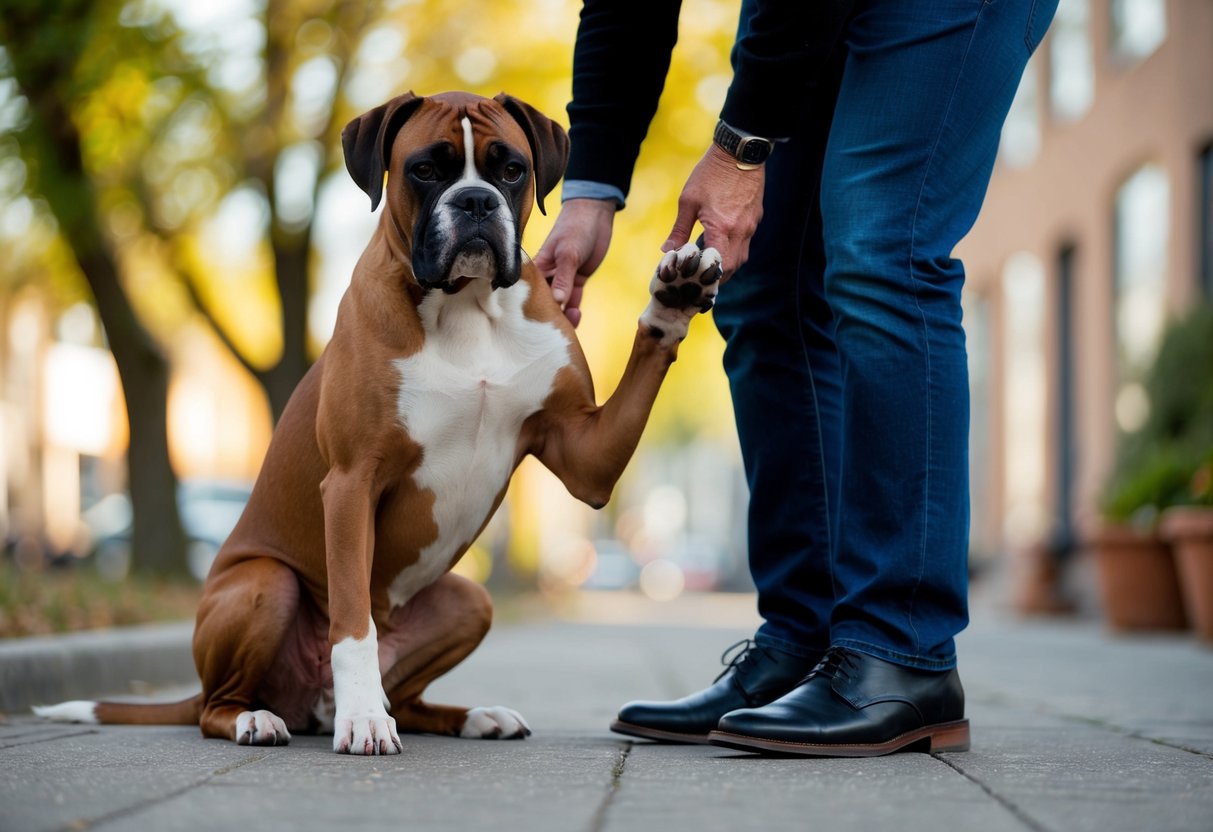
Pawing is an important part of how dogs communicate with you. Understanding this behavior can help you connect with your dog better. Different breeds may exhibit pawing for various reasons, reflecting their unique traits.
Pawing Behavior and Its Meanings
Dogs often use pawing to get your attention. When a Boxer paws at you, it may signify affection or a desire for play. This action can be their way of saying, “Hey, look at me!”
Pawing may also signal discomfort or a need for something. For example, if a Beagle paws at you, it could be their way of expressing hunger or wanting to go outside.
Additionally, some dogs like Golden Retrievers and Labrador Retrievers may use pawing as a playful gesture during interactions. They know this behavior is effective at drawing you in, encouraging more fun.
Comparative Analysis With Other Breeds
While Boxers, Beagles, and Retrievers all paw, the reasons can vary between breeds. Hunting dogs like the English Setter might paw to indicate they’ve spotted something. This pawing is usually more focused and less playful.
Retrievers are generally more social and affectionate. They may paw simply to show love or seek interaction. On the other hand, Beagles often use pawing as a communication tool for basic needs, such as food or exercise.
The context in which each breed exhibits pawing can reveal much about their personality and needs. Understanding these differences can help you respond appropriately to your dog’s unique way of expressing themselves.
Social and Protective Traits
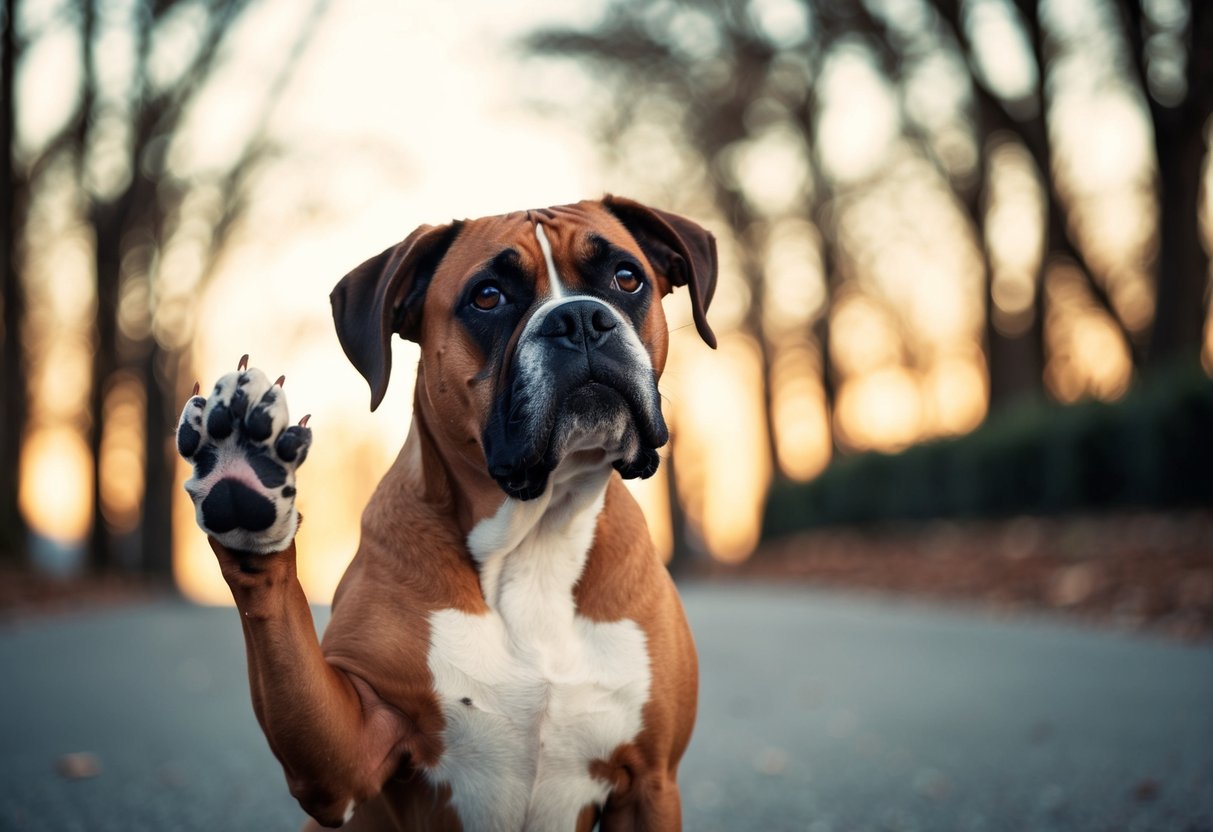
Boxers are known for their strong social and protective qualities. They bond closely with their families while also displaying natural guarding instincts. Understanding these traits can help you appreciate your Boxer’s behavior and strengthen your relationship.
Boxer Dogs and Guarding Instincts
Boxers are often seen as excellent guard dogs. Their protective nature makes them instinctively watchful of their home and family. If a stranger approaches, your Boxer might stand alert, barking to warn off intruders.
Their intimidating appearance combined with a deep bark serves as a good deterrent. This behavior is rooted in the Boxer’s bully breed lineage, which emphasizes loyalty and courage.
You may notice your Boxer following you around the house, always ready to protect. They take their role seriously and will be by your side, ensuring your safety.
Interaction Patterns With Owners
Boxers love to be close to their owners. They often express affection by leaning on you or even sitting on your lap. This behavior shows their desire for closeness and connection.
When interacting, Boxers might use their paws to flaunt their affection. They paw at you as a way of getting your attention, much like a child seeking comfort. This playful behavior also shows their personality, which is filled with energy and love.
Whether you’re relaxing at home or playing outside, your Boxer will likely want to be involved. Their steadfast companionship highlights their social nature and devotion to you.


