
Boxers are known for their playful and affectionate nature, often seeking closeness with their owners. When you notice your boxer always needing to be in contact with you, it’s not just for fun. Their strong desire for connection and security within their family causes this behavior. Boxers bond deeply with their humans, making physical touch a comforting and essential part of their interactions.
Their need for closeness also comes from their protective instincts. Boxers are loyal companions and often feel more at ease when they are near you. This attachment helps them feel safe and reinforces their bond with you, creating a trusting relationship.
The Role of Clinching in Boxing
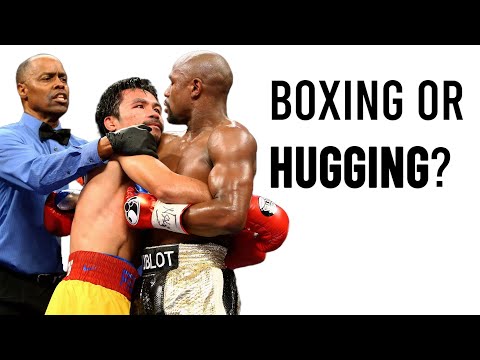
Clinching plays a vital part in boxing. It can serve multiple purposes and is essential for both defense and strategy. By understanding how clinching works, you can see why boxers often keep close contact during a match.
Understanding the Clinch
In boxing, a clinch is when two boxers hold onto each other, usually to minimize damage from punches. Though it may seem like they are just hugging, a clinch is a tactical move. It allows you to create a pause in the action, offering a chance to catch your breath.
Boxers use this moment to regroup and rethink their strategy. In a sport as demanding as boxing, conserving energy is crucial. When you clinch, you can control your opponent’s movement, making it harder for them to deliver effective punches.
Strategic Use of Clinching
The strategic use of clinching can change the outcome of a fight. Boxers often employ this technique to disrupt their opponent’s rhythm. If you feel overwhelmed by an aggressive fighter, clinching gives you time to recover.
You might also lean your weight on them, making it difficult for them to throw punches. By maintaining the clinch, you can prevent your opponent from attacking when they are most dangerous.
Legalities Around Clinching
Clinching is legal in boxing, but there are rules to follow. You can hold your opponent, but you cannot excessively grab or hold them. If a referee feels you are abusing this tactic, you may be penalized for clinching.
Knowing the legal limits helps you stay within rules while using the clinch effectively. Keep in mind that frequent clinching can frustrate judges, impacting their scoring. So, it’s essential to use clinching wisely to maximize its benefits without overstepping boundaries.
Physiological Reasons for Clinching
Clinching during a boxing match serves important physiological purposes. It helps fighters regain strength and maintain their energy levels, while also affecting their cardiovascular endurance. Understanding these reasons can improve your knowledge of boxing tactics.
Rest and Recovery
When you’re in a boxing match, your energy gets drained quickly. Clinching gives you a chance to catch your breath. You can take a brief pause while holding your opponent. This tactic allows you to conserve energy for the next rounds.
During a clinch, your heart rate can stabilize. This is vital for your cardiovascular endurance. It prevents fatigue and keeps you alert. Even a few seconds can make a difference. It’s a smart way to recharge without leaving yourself open to a hit.
Maintaining Momentum
Clinching can also help you control the pace of the fight. By staying close and holding your opponent, you’re able to slow things down. This can disrupt their rhythm and strategy.
In a match, maintaining momentum is crucial. By clinching, you can tire out your opponent. It forces them to work harder to escape. Using your weight helps you keep your balance while they struggle. This method can shift the fight in your favor.
Tactical Advantages of Touch in Boxing
In boxing, maintaining physical contact has strategic benefits. Boxers use touch to disrupt their opponent’s rhythm and to prepare for defensive or offensive actions. These tactics can give you an edge during a match.
Disrupting the Opponent’s Rhythm
When you make contact with your opponent, it can throw them off their game. This disruption may prevent them from landing punches effectively. It can lead to hesitation, creating openings for you to counterattack.
Additionally, consistent touch can limit your opponent’s movement. If you stay close, they may struggle to create distance or land powerful punches. This strategy forces them to react to your actions, allowing you to control the pace of the fight.
Setting Up Defensive and Offensive Moves
Using touch allows you to create opportunities for both defense and offense. For example, when you clinch or lightly hold your opponent, it’s a chance to assess their next move. If they try to strike, you’re in a better position to evade or block effectively.
Touch can also serve as a way to set up your own attacks. By gauging your opponent’s responses, you can choreograph your next strike. You can initiate a quick jab or hook while leveraging their movement against them. This technique can effectively turn a defensive position into an offensive one, keeping your opponent guessing.
Notable Boxers and Their Clinching Techniques
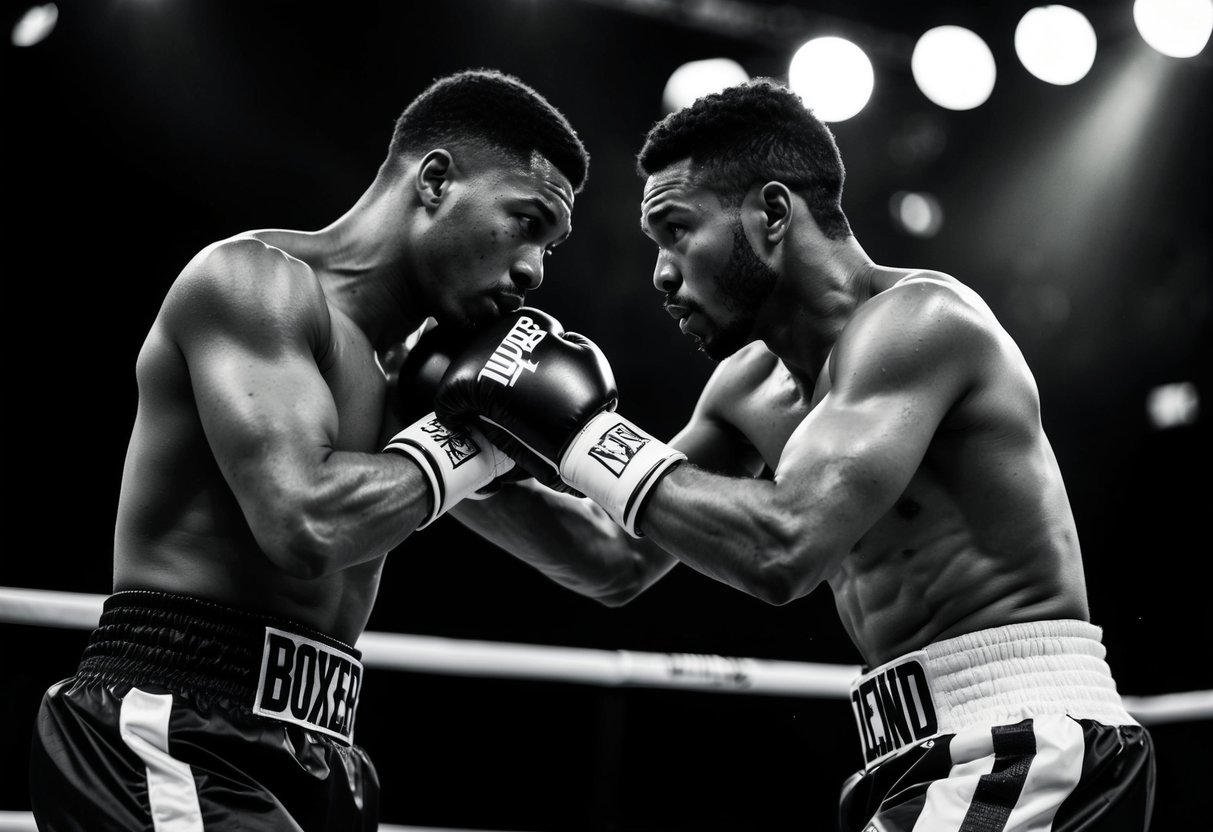
Clinching is a key tactic in boxing, used by many famous fighters to gain an advantage in matches. Let’s take a look at how some notable boxers employ this technique to their benefit.
Floyd Mayweather’s Defensive Mastery
Floyd Mayweather is known for his incredible defensive skills. His ability to clinch strategically allows him to control the pace of the fight.
When he feels pressured, he often hugs his opponent to break their momentum. This “hug” provides him a moment to reset and regain focus.
In addition, Mayweather uses his clinching skills to avoid powerful punches and create space. This technique is often seen as a form of “dirty boxing,” where he cleverly frustrates his opponents.
His strategic moves have helped him remain undefeated throughout his career, proving that defensively savvy clinching can lead to success in the ring.
Tyson Fury’s Use of Size and Reach
Tyson Fury, with his height and long reach, uses clinching to leverage his size. He often wraps his arms around opponents to smother their attacks, particularly when they try to land combinations.
Fury’s clinch is more than just a hug; it’s a strategic approach to exhaust his opponents. By keeping them close, he limits their punching angles, which minimizes damage taken.
In the corner of the ring, Fury’s strength shines through. He can use his bulk to push opponents down, creating openings when the fight resumes.
Fury’s unique style makes him a master at using clinching to his advantage, turning every hug into a tactical move.
Wladimir Klitschko and Effective Clinching
Wladimir Klitschko’s height and strength made him a dominant force in the ring. He was well-known for his effective clinching techniques in the heavyweight division.
Klitschko used clinching to minimize damage while executing powerful jabs. When he faced aggressive fighters, he would hug to interrupt their rhythm and control the center of the ring.
His technique allowed him to maintain distance and set up his next strike. Klitschko’s clinches were calculated moves that often led to scoring opportunities.
By using the clinch wisely, he could dominate fights and retain the boxing title for many years. His approach shows how effective clinching can be when implemented correctly.


