
In the world of boxing, fighters face many risks every time they step into the ring. You might be curious about what ends up being the most serious consequence of this dangerous sport. Traumatic brain injury is the leading cause of death among boxers. Boxers often suffer this injury from the powerful punches they endure.

Boxers train hard and put their bodies on the line, but the consequences can be severe. Understanding the dangers of boxing is essential for fans and fighters alike. It’s not just about the thrill of the match; it’s about the real-life impacts that can resonate long after the final bell rings.
As you read on, you’ll discover more about the statistics surrounding boxing fatalities and how these injuries occur. You’ll also learn about the ongoing efforts to make the sport safer for athletes, ensuring that the love of boxing can continue without as much risk.
Understanding Traumatic Brain Injuries in Boxing

Boxing places significant stress on the brain due to the nature of the sport. Understanding how brain injuries occur and their long-term effects can help you appreciate the risks involved for professional boxers.
The Mechanics of Brain Injury in Boxing
When a boxer gets hit, their brain moves quickly within the skull, leading to injuries. The impact can cause concussions, which are mild traumatic brain injuries. You may also hear about serious injuries like a subdural hematoma. This condition occurs when blood collects beneath the skull, often requiring a CT scan for diagnosis.
Knockouts and technical knockouts are common in boxing and can lead to acute brain injuries. Injuries like cerebral contusions and diffuse axonal injuries can occur with hard punches. Also, repeated head trauma can cause chronic issues, including chronic traumatic encephalopathy (CTE). This condition might show up years later and leads to cognitive impairment and other mental health issues.
Long-Term Impact of Repeated Head Trauma
Repeated head hits can have serious consequences for boxers. You might notice cognitive symptoms like memory loss and difficulty concentrating. Chronic brain injury can develop over time due to sustained damage from punches. Second impact syndrome is a severe risk if a boxer gets hit again before the first injury has healed.
Clinical dementia may also emerge in some athletes, impacting daily life. Neurofilament light, a protein marker, can indicate brain damage and help track recovery. Understanding the rules, like the Marquess of Queensberry rules, can help minimize risks during fights, but injuries can still happen. It’s essential to focus on the risks associated with boxing to better protect those who participate.
Medical and Safety Considerations in Boxing
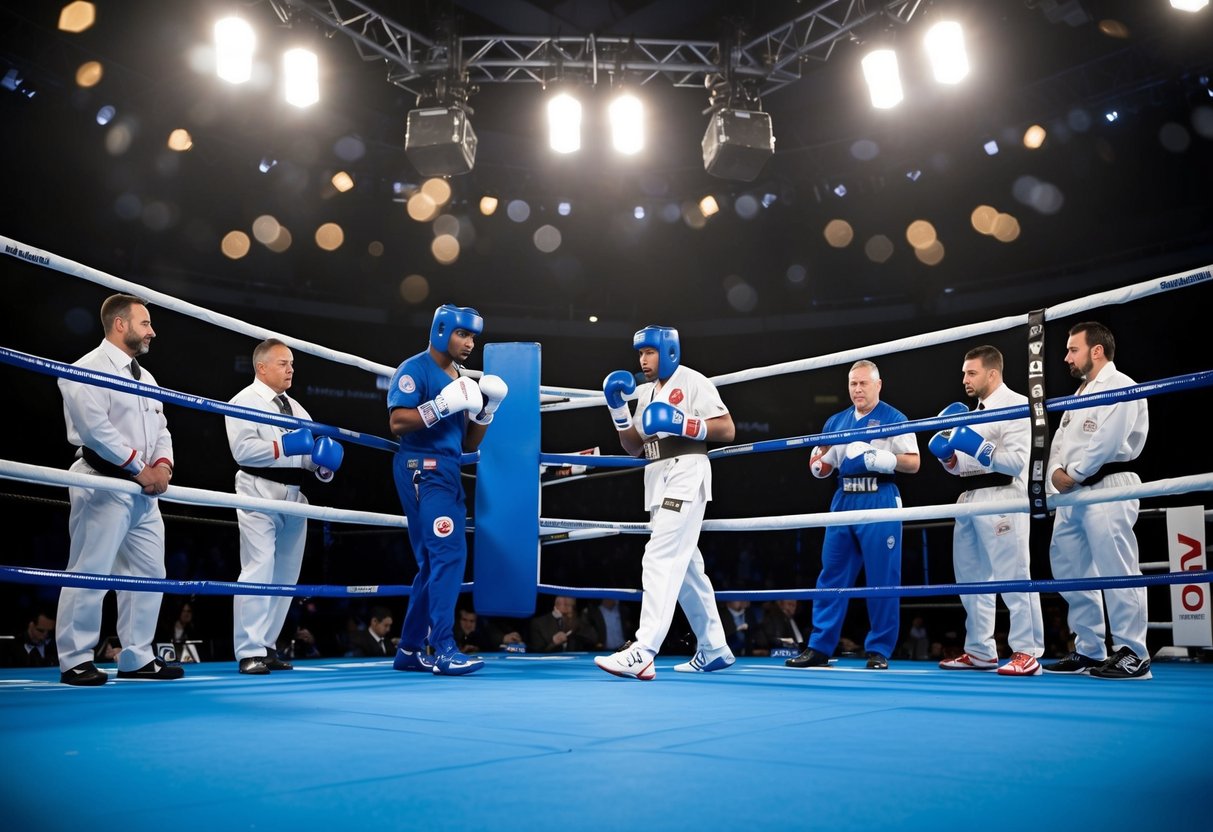
In boxing, understanding medical and safety considerations is crucial for protecting fighters. This includes the importance of immediate medical attention, the use of technology in diagnosis, and the regulations designed to keep the sport safer.
Importance of Medical Attention and Diagnosis
When injuries occur in boxing, prompt medical attention is essential. A sports-related concussion might not show immediate symptoms, but can lead to serious complications if ignored. It is vital to monitor for signs like a lucid interval, where a boxer appears fine before declining.
Diagnosis often involves imaging tests like a CT scan to assess brain injuries. Knowing the extent of an injury can guide effective medical management and therapy, helping boxers recover properly. Regular medical check-ups before and after matches can significantly reduce risks of serious injury.
Boxing Regulations and Safety Measures
Boxing regulations aim to minimize risks associated with the sport. These include weight classes, rules against illegal strikes, and required medical evaluations before fights.
Organizations also enforce mandatory safety equipment, such as headgear for amateur bouts. The use of padded gloves reduces impact, helping to protect your brain.
Promoting education about injury prevention is key for all boxers. This includes guidelines on recognizing symptoms and knowing when to seek medical help. The collective effort of medical teams and regulatory bodies significantly contributes to reducing boxing deaths and ensuring that fighters prioritize their health.
Historical and Cultural Impact of Boxing Incidents
Boxing has a long and complex history, marked by both memorable achievements and tragic losses. Understanding these incidents helps you see how they shape the sport’s culture today.
Notable Fatalities in Boxing History
Several boxing-related deaths have shocked fans and highlighted the risks athletes face. Muhammad Ali, known for his legendary status, suffered severe health effects due to his boxing career, emphasizing the long-term dangers.
Other notable fatalities include Davey Moore, who died from injuries sustained in a 1963 fight, and Leavander Johnson, who tragically passed away in 2005 after his bout. The Velazquez Fatalities Collection documents these incidents, showing how mortality rates in boxing can reach alarming levels. Deaths have occurred at an average rate of around 15 per year, underscoring the sport’s inherent dangers.
The Role of Boxing in Sports Culture
Boxing has significantly influenced sports culture, serving as both a symbol of strength and a cautionary tale about safety. The deaths of fighters like Jimmy Doyle and Frankie Campbell remind fans of the risks involved. These events often lead to discussions about safety regulations.
You might also notice that incidents like the passing of Georgie Flores in 2001 spark movements for better protective measures in the ring. Each tragic loss affects training, rules, and the way fans view the sport. It fosters a culture where caution and respect for boxers’ well-being become advocates in the ongoing dialogue about safety in boxing.
The Intersection of Boxing With Other Combat and Contact Sports
Boxing shares some important characteristics with other combat and contact sports. Understanding these similarities and differences can help you recognize the risks and safety measures involved in each discipline.
Comparative Risks Across Contact Sports
In contact sports like boxing, American football, and certain martial arts, the risk of injury, especially head trauma, is a major concern. Research indicates that boxers face significant risks of conditions like Chronic Traumatic Encephalopathy (CTE) due to repetitive head impacts.
Similarly, football players also face high risks of concussions and long-term brain damage from tackles and collisions.
In martial arts, while strikes to the head can occur, many disciplines focus on controlled sparring and techniques that aim to minimize severe impacts. For instance, in amateur boxing, the use of boxing gloves and headgear has been implemented to reduce injury risks. However, the effectiveness of these measures in truly preventing serious injuries is still debated.
Learning From Safety Measures in Other Disciplines
Combat sports continue to evolve with a focus on safety. For example, American football has stricter regulations for player safety during games and practices. These include mandatory concussion protocols and improved protective gear.
Some martial arts organizations also implement safety measures. For instance, they have rigorous training programs that emphasize technique over brute force. This involves teaching athletes how to fall safely and reduce the likelihood of serious injuries during sparring.
By adopting and adapting these practices, boxing can improve safety for both amateur and professional fighters. Ongoing discussions about regulation, safety gear, and instruction methods are essential as the sport moves forward.


