
Ever notice a bird belting out songs one day, then suddenly falling silent the next? It’s a bit odd, right? You might find yourself wondering why that familiar neighborhood bird has gone quiet. Most birds stop singing once their breeding season wraps up, so they don’t need to attract mates or defend their turf anymore.
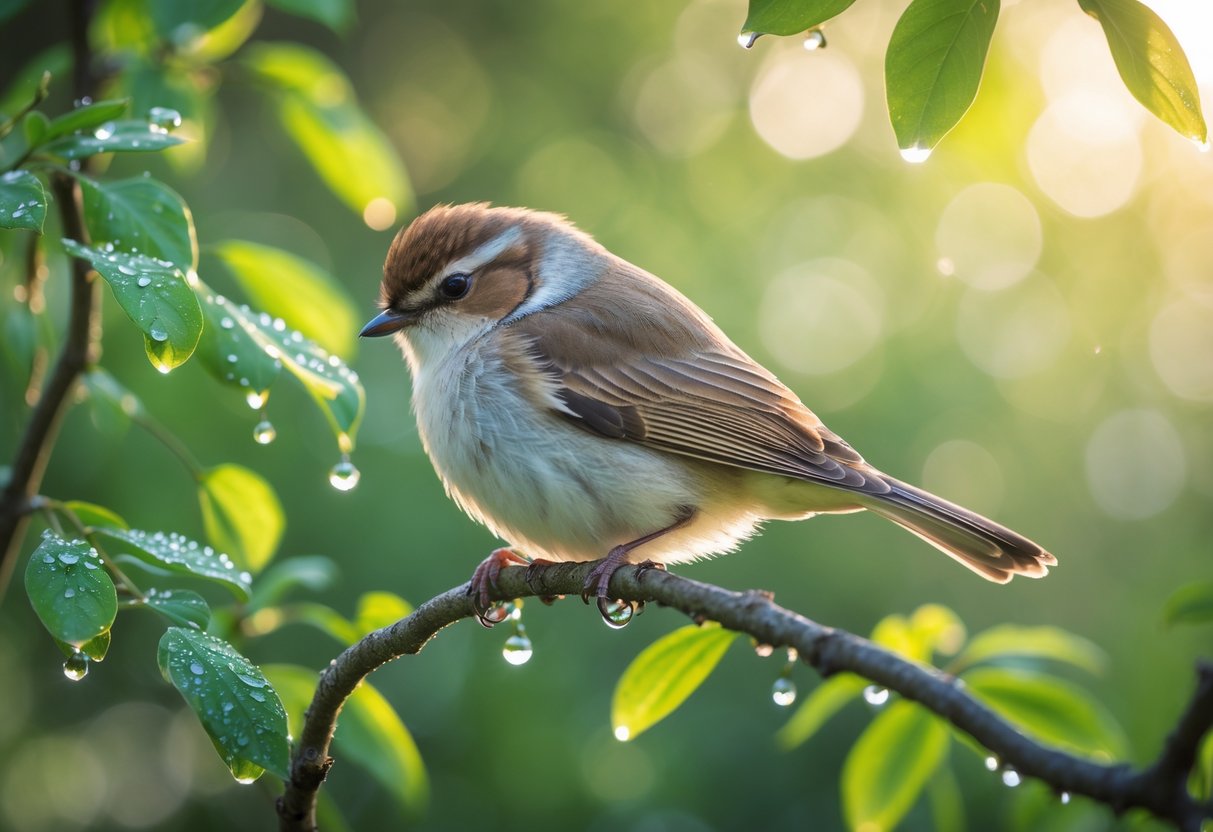
Birds also cut back on singing when they’re busy raising chicks or slogging through molting. Hot weather can make them quiet down too—nobody wants to overheat. It’s kind of wild how those cheerful songs fade as summer drags on.
If you know why birds go quiet, you’ll start to pick up on other ways they communicate—even when they’re not singing. There’s actually a lot going on out there if you listen for it.
Key Reasons Birds Stop Singing
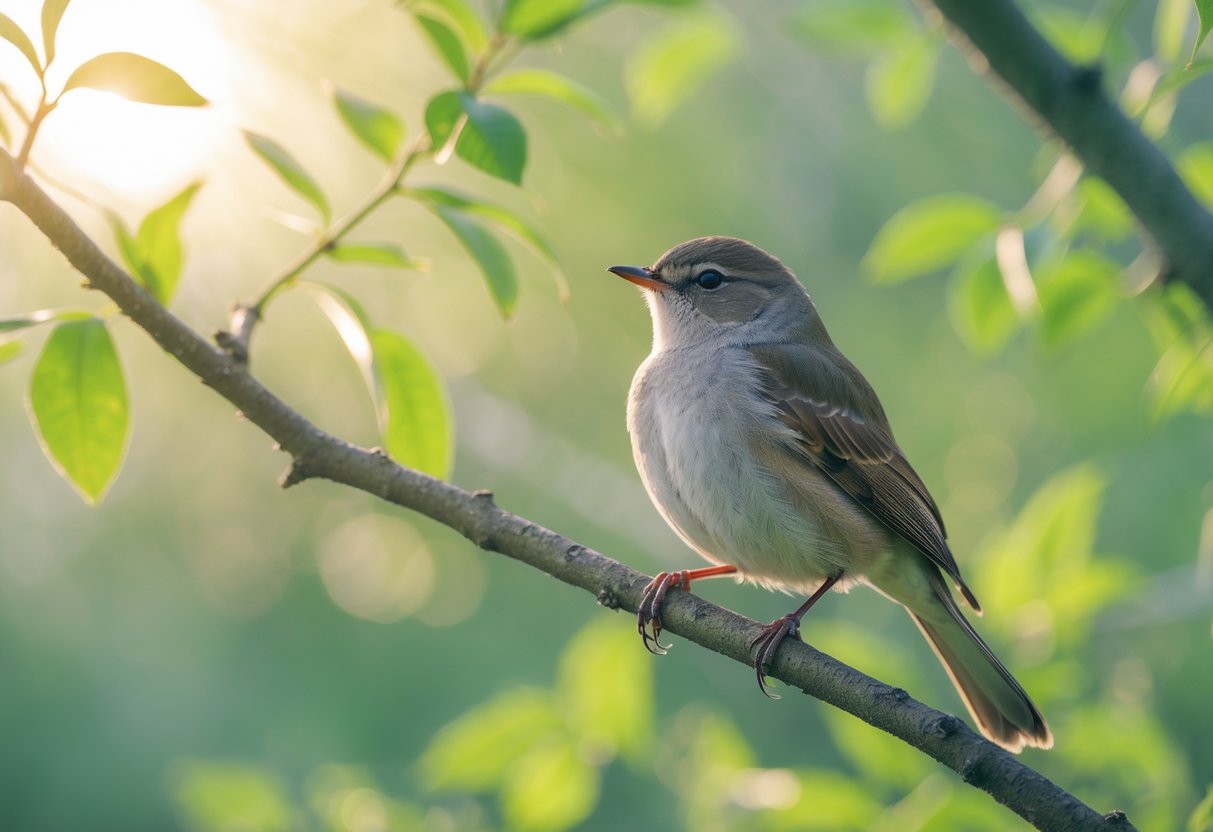
Birds change up their singing habits for some pretty clear reasons tied to their lives and the world around them. Their quiet spells usually happen when they don’t need to impress a mate or mark their territory. Stuff happening inside their bodies and outside in the environment matters a lot too.
End of Breeding Season
Birdsong is mostly about finding a mate. Male birds sing loud and proud to catch a female’s attention and warn off rivals. When breeding season ends, the urge to sing just drops off. Once eggs hatch and chicks start growing, birds focus on feeding and keeping the little ones safe.
You’ll probably notice birds like robins or cardinals barely sing at all after their young leave the nest. They put their energy into parenting instead. The songs get shorter, or you might only hear them at dawn when things are quiet.
Molting and Energy Conservation
Molting means birds shed old feathers and grow new ones. That takes a lot of energy and can last for weeks, usually in late summer. During molting, birds often stop singing so they can save energy for feather growth.
Molting also messes with how they move. When they lose wing or tail feathers, flying gets tricky, so they don’t want to draw attention with songs or flashy flights. Birds can look a bit rough during molt, and you’ll barely hear any singing until they’re done.
Established Territory
Once birds settle on a territory, they don’t need to sing as much. Singing’s like putting up a big “keep out” sign during mating season. After they’ve found a mate and marked their space, there’s no point wasting energy shouting about it.
You might still catch a quick alarm call if another bird gets too close, but those long, fancy songs fade away. Cardinals and mockingbirds, for example, really cut back on singing once things are settled.
Environmental Stressors
Things like heat, food shortages, and predators can make birds go quiet without warning. When it’s really hot, birds sing less so they don’t overheat. Bad weather—like rain or storms—makes them keep their heads down.
If food’s hard to find, birds spend their energy searching for it instead of singing. When predators are lurking around, silence helps them stay safe. Even noise pollution from people can mess up their singing, since they can’t hear themselves over the racket.
All of these changes show how tightly birdsong connects to a bird’s health and what’s happening around them. When you hear less singing, birds are probably just adapting to whatever’s going on.
For more about why birds stop singing, check out Why do the birds stop singing song? – Birdful.
When and How Birds Go Silent
Birds go silent for pretty straightforward reasons—stuff like the time of year, daily routines, and even which species you’re watching. If you keep an ear out, you’ll start to notice these patterns.
Seasonal Changes in Birdsong
As the year rolls from spring into summer and then fall, birds change how much they sing. In spring, they’re all about attracting mates and defending their turf. By late summer, once the chicks have left, adult birds usually stop singing. They shift their focus from courtship to feeding and taking care of their young.
When fall and winter hit, lots of birds go quiet or sing less since they’re molting or getting ready to migrate. It’s a good way for them to save energy. You’ll barely hear any singing from birds in the middle of molt, since growing feathers is a lot of work.
These seasonal changes in singing really tie back to what birds need to survive. If you pay attention to when birds go quiet, you can pick up clues about their life cycles and what’s happening in your own backyard.
Impact on the Dawn Chorus
The dawn chorus is that wild burst of birdsong you hear in early morning, especially in spring. Males compete for mates and try to set up territories. The chorus usually starts before sunrise and peaks just after.
After breeding season, the dawn chorus fades out. Birds stop all that early singing because they don’t need to show off anymore. Instead, they spend more time resting and looking for food as territorial battles wind down.
If you notice the dawn chorus suddenly drops off or gets quieter, it probably means breeding season is done. Less singing tells you the birds are settling into quieter routines. This pattern follows the light and the birds’ need to breed, so it’s pretty reliable.
Differences Among Songbirds
Not every bird belts out a tune the same way—or at the same time. Songbirds like robins and sparrows have these bold, clear calls that you just can’t miss.
They usually sing a lot more during mating season. Once nesting wraps up, though, they tend to quiet down.
Owls and hawks, on the other hand, mostly keep things hush-hush. You’ll rarely hear them sing because they prefer stealth over noise.
Some male birds might just stop singing if they don’t have a mate nearby. If there aren’t other birds around, they might go silent too.
Weather, predators, and food can all change how different species act. The timing and amount of silence really depend on which bird you’re listening to and what’s going on around them.
Learn more about bird species and their silent behaviors here.


