
Ever wondered if Bird Alone is a sad game? Honestly, yeah—it is. The game dives into loneliness, friendship, and loss in a way that can really tug at your heart, but it’s not empty sadness. It’s more than just hanging out with a digital bird; it’s a journey that pokes at real feelings.
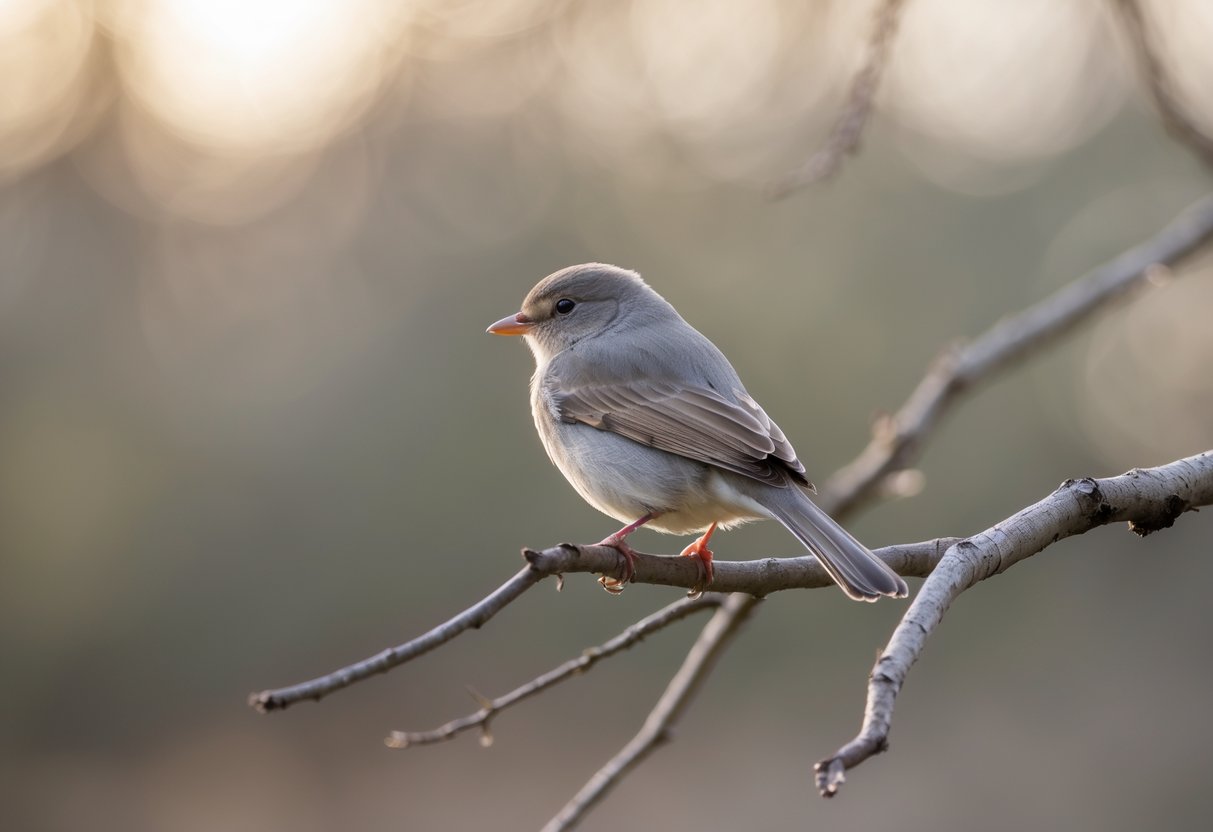
When you spend time with your parrot, the game throws some surprisingly deep questions about life and existence your way. That creates this bittersweet connection—comforting and sad at the same time.
If you’re up for something emotional and thoughtful, Bird Alone might catch you off guard with how honest it gets.
This isn’t your average cheerful mobile app. It gently takes you through joy and sadness, and honestly, it’s pretty normal to feel touched or even shed a tear.
Curious why it hits so many players in the feels? There’s more to unpack here.
For another angle on the emotional ride Bird Alone offers, check out this Bird Alone review.
Is Bird Alone a Sad Game? Emotional Themes and Player Experiences

Bird Alone invites you to bond with a lonely parrot. You’ll face moments about friendship, loss, and tough feelings that most games skip.
It asks you to think about what it means to care for someone, even when you know it won’t last forever.
Loneliness and Companionship in Bird Alone
You start Bird Alone by meeting the loneliest bird you’ll ever find. The game nudges you to spend a little time each day talking, drawing, or making music together.
That creates a soft, gentle connection—one that sneaks up on you.
You’ll notice the bird changes as your friendship grows. It’s designed to feel real and a bit fragile, making you want to look after it.
The game leaves space for you to think about being alone and how having a friend, even a virtual one, can make things brighter.
Heartbreaking Moments and Endings
Bird Alone doesn’t go down the usual pet game path. After a while, the bird dies. That moment is a gut punch because you probably won’t see it coming.
The death isn’t just a quick “game over.” It’s final, and it’s meant to feel real.
A lot of players find this moment absolutely heartbreaking. It’s a reminder that loss can hit anyone or anything, even a little bird on your phone.
Grief, Loss, and Saying Goodbye
When the bird dies, you feel grief—real sadness and a sense of emptiness. The game pushes you to reflect on losing someone important.
It’s not just about losing a pet; it’s about losing a friend.
Most games avoid talking about death. Bird Alone faces it head-on but does it gently.
You get a chance to think about how loss fits into life and what it means to say goodbye, even when it’s hard.
How Players Respond to the Loneliest Bird
Players react to Bird Alone in all sorts of ways. Some say it moved them deeply and helped them get a better grip on grief.
Others feel caught off guard or even a little tricked because they didn’t expect the bird’s death.
People have shared stories about crying over the parrot or feeling oddly comforted by the experience.
The game’s honest look at loneliness and loss tends to stick with you long after you finish playing.
For some, it’s not just a game—it’s a lesson about life and friendship that’s hard to forget.
If you want to see what players are saying, check out Bird Alone’s heartbreaking reviews.
Behind The Game: Creator’s Intent and Gameplay Elements

Bird Alone isn’t just another casual game. It gives you a slow, thoughtful experience where you connect with a bird over time.
The creator’s personal story, the daily little tasks, and the careful design all come together to build a unique emotional bond.
George Batchelor’s Inspiration and Storytelling
George Batchelor made Bird Alone to explore growth, loss, and what gives life meaning. He drew inspiration from his own experiences with grief and change.
He wanted the game to feel like a safe space to share feelings—simply and honestly.
You get to hear the bird’s thoughts as it grows older, making each conversation feel personal.
Batchelor read authors like Jean-Paul Sartre and Viktor Frankl, and their ideas about life and meaning show up in Bird Alone’s slow, daily chats.
It makes the game feel like you’re sharing something real, not just playing.
Daily Interactions and Wellness Features
Each day, Bird Alone offers you a small task—maybe drawing a picture, writing a poem, or making music with your bird.
These activities only take a few minutes, but they leave a mark.
The game feels a little like a wellness app. You check in daily, and that builds a gentle routine with your bird.
Over time, these interactions create a deeper emotional connection.
That slow pace matters. You’re not rushing through levels or grinding for points.
The bird reaches out when it has something new to share, and that makes the whole experience feel personal and meaningful.
Design Choices That Shape the Emotional Journey
George Batchelor chose a bird as the pet on purpose. He wanted it to feel different than chatting with another person. The bird shows up as a quiet little friend, someone you can trust with your secrets.
Art and sound really matter here. Watercolor visuals and interactive music pull you into the world. You get this calm, almost meditative vibe every time you visit.
Batchelor threw in things like a growing garden and collaborative poetry to keep things interesting. The way the game looks and sounds nudges you through feelings—friendship, change, sometimes even sadness.
When you play Bird Alone, you start to see how the art and the tasks gently guide you toward understanding loss and connection.
For more about George Batchelor’s story or how the game works, check out the interview with him on KeenGamer.


