
Ever catch a deer lounging on your lawn or nibbling on your favorite flowers? It’s a bit of a shock, right? They’re drawn in by food, water, and the promise of a quiet, safe place. Your garden, birdfeeders, or even a tucked-away corner might feel like a five-star rest stop to them. If deer keep showing up, chances are your yard offers easy meals and a peaceful spot to relax.

Let’s look at what pulls deer in, how you can spot the signs they’re sticking around, and some straightforward ways to make your yard less of a deer hangout—without hurting them. You’ll find tips to protect your plants, cut down on garden damage, and still enjoy the occasional wildlife sighting from a safe distance.
Why Are Deer Attracted to My Yard?
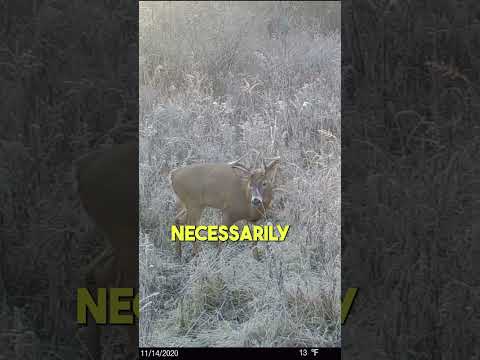
Deer show up for food, shelter, water, and a safe place to nap. A few small changes in your yard can tip the scales in either direction.
Food Sources and Grazing Habits
Deer munch on all sorts of plants. They especially love new growth, flowers, veggies, fruit trees, and the tender bark or buds on young trees and shrubs.
If you’ve planted hostas, tulips, roses, or juicy fruit shrubs, you’re basically rolling out the red carpet. When food is scarce, they’ll even eat your grass and clover.
Most of their snacking happens at dawn and dusk. You might wake up to find your hard work chewed down overnight. Deer get into the habit of returning when they find easy meals.
Try planting less-tasty varieties near the house, use barriers for smaller beds, and group the plants deer don’t like together. Rotating crops and picking up fallen fruit helps too—it teaches deer your yard isn’t an all-you-can-eat buffet.
Shelter, Safety, and Sleep Habits
Deer want places to hide and sleep. Thick shrubs, brush piles, tall grass, or the edge of the woods give them perfect daytime nap spots and nighttime cover.
If your yard sits next to woods or has dense landscaping, deer might treat it like a cozy hotel. They take short naps and stay alert, so if they feel safe, they’ll keep coming back to the same spot.
You can make your yard less cozy by opening up sightlines, trimming back dense bushes, and clearing away brush piles. Even a narrow gap between the woods and your lawn can make them feel too exposed to settle in.
Water Sources and Environmental Comfort
Deer need water every day. They’ll drink from ponds, birdbaths, dripping faucets, and even puddles after a rain.
During hot spells or drought, a steady water source can turn your yard into a regular stop. They like gentle slopes, soft ground for bedding, and spots with shade in summer or shelter in winter. Mulched beds and garden irrigation sometimes create the perfect mix of moisture and cushy ground.
Fix leaky faucets, cover or empty small pools, and keep open water away from your planting beds. If you plant farther from water features, deer are less likely to snack while they drink.
Seasonal Changes and Rutting Season
Deer change up their routines with the seasons. In spring and summer, they’re all about eating to build up fat and, for does, to care for their fawns.
Fawns usually show up in late spring or early summer, so you might spot does sticking close to safe bedding spots. When fall hits, bucks get restless and start moving around more, chasing does and forgetting to be careful. That’s rutting season, and you’ll probably see more deer in daylight.
In winter, food gets scarce, so deer wander further and might visit your yard looking for anything edible. Expect the most deer activity in spring for feeding, fall for rutting, and winter when food is tough to find.
Adjust your approach as the seasons change—protect new plants before spring, and beef up your barriers in fall and winter.
Managing Deer Presence and Potential Risks

You can make your yard less appealing to deer by changing what they like, adding barriers, and keeping your family safe from ticks. Focus on plants deer don’t want, try motion-activated sprinklers, use proven repellents, and always check for ticks after being outside.
Deer-Resistant Plants and Landscaping Tips
Go for strong-smelling, bitter, or tough-leafed plants near your prized beds and along the edges of your property. Lavender, rosemary, boxwood, daffodils, and yew are solid picks.
Plant dense, native shrubs to block deer paths and make things less inviting. Put the deer-proof and thorny stuff on the outside and keep your favorites in raised beds or behind fencing.
Don’t leave out birdseed, fallen fruit, or pet food—those are nighttime invitations. Keep a clear view from your windows so you can spot deer early and shoo them off with a bit of noise or light.
When you need a barrier, go with fencing. An 8-foot-high single-wire electric or woven fence works best. If you want something lower, angle double-rail fences outward to confuse deer. Using fencing with smart plant choices gives you the best shot at success.
Effective Use of Motion-Activated Sprinklers
Motion-activated sprinklers can really throw deer off with a sudden spray of water. Place them where deer usually sneak in—by gardens, fence lines, or bird feeders.
Aim the sensors low and set them to cover the paths deer use most. Adjust the sensitivity so you’re not soaking squirrels or the mail carrier, but deer still set it off.
Test the spray distance and tweak the nozzle so you’re not watering your porch. Run sprinklers mainly at dusk and through the night, since that’s when deer are most active.
Keep these gadgets in good shape: clean the sensors, check the batteries, and winterize them if you get freezing temps. Move them now and then so deer don’t get wise and come back anyway.
Deer Repellents and Other Deterrents
Use repellents when you need quick protection for certain plants. Pick between taste-based sprays (for leaves) and scent-based ones (for the area). Reapply after rain and always follow the label for safety.
Repellents with rotten egg solids, garlic oil, or hot pepper usually do the trick. Combine them with barriers and smart planting for the best results.
Try motion-activated lights, radios, or ultrasonic devices if you want something less obvious. These work best as backups, not your main line of defense.
Never feed deer or leave out easy food. If they get used to people, all your repellents and gadgets lose their power. For stubborn problems, call local wildlife pros who use humane, legal ways to help.
Health Concerns: Deer Ticks and Disease
Deer often bring ticks onto your property, and those ticks sometimes carry Lyme disease or other infections. Always check yourself, your family, and your pets after spending time outside.
Pay extra attention to spots like hairlines, behind the knees, and under collars. If you find a tick, remove it quickly—doing that lowers the risk of infection.
You can cut down on tick habitat by keeping your grass short and clearing away leaf litter. Try adding a 3-foot mulch or gravel barrier between wooded spots and any playspaces.
Treat your pet’s bedding, and talk to your vet about tick prevention. If you find a tick, save it in a sealed container just in case you need it for testing.
If you get a fever, rash, or start feeling flu-like after a tick bite, reach out to your healthcare provider.
For more local tips on managing deer and understanding the risks, check out resources from wildlife agencies or extension services, like the Nebraska Backyard Farmer’s deer management tips.


