
Ever wondered which bird lives the longest? You’re definitely not alone. Bird lifespans vary a lot, but the kakapo—a rare, flightless parrot—can hit 100 years if things go well. That’s wild, right? Its slow growth and careful breeding habits help it reach ages that most birds never even get close to.

Take Wisdom, for example—a Laysan albatross who’s still going strong at over 74 years old. Stories like hers really show how surprising bird lifespans can be. Nature just keeps finding ways to amaze us.
Ready to meet more birds that might just outlive you? Let’s check out what makes their lives so long.
Birds With the Longest Lifespans
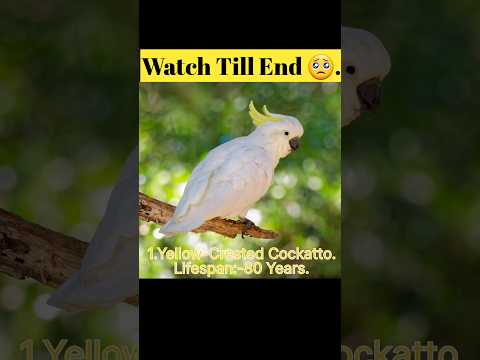
Some birds stick around for decades—way longer than you’d think. Seabirds, parrots, cockatoos… each group has species that just keep going, thanks to their unique traits.
Let’s dig into a few standout birds known for living impressively long lives.
Record-Holding Wild Bird: Wisdom the Laysan Albatross
Wisdom, the Laysan albatross, holds the record as the oldest wild bird known. Scientists first banded her in 1956, so she’s at least 74 now.
She hangs out at Midway Atoll in the Pacific, a safe haven for seabirds.
Albatrosses don’t show obvious signs of aging, which makes guessing their age tricky. Researchers rely on bird banding to keep track of them over the years.
Wisdom was already mature enough to lay eggs when scientists banded her. Laysan albatrosses take their time growing up, and their long-distance flying lifestyle seems to help them live longer.
Macaws and Parrots: Colorful Centenarians
Macaws and parrots pop up a lot in stories about birds with long lives, especially in captivity. Their colors are bright, and their personalities are pretty sharp.
Blue-and-yellow macaws (Ara ararauna) can easily reach 50 years, sometimes even getting close to 70.
African grey parrots, famous for talking, often live over 50 years if you take care of them right. Good food, regular care, and keeping their minds busy really seem to help them avoid health problems as they age.
New Zealand’s kākāpō, when kept safe, has reached over 90 years. That’s longer than a lot of people get! Clearly, a protected environment makes a huge difference.
Cockatoos: Notable Longevity Examples
Cockatoos are another group with some serious longevity. Major Mitchell’s cockatoos and sulfur-crested cockatoos are two well-known examples.
They can live anywhere from 40 to 70 years in captivity, often outlasting their wild cousins.
Their size and the care people give them play big roles in how long they stick around. Cockatoos really need social time and a good diet to stay healthy.
Ever hear of “Cookie,” the pink cockatoo? She lived over 80 years at a zoo. There’s still some debate about her real age, but she’s proof that cockatoos can live a long time when they’re protected from predators and bad weather.
These birds age slowly and often stay active well into their old age. If you take good care of them, you could have a feathered friend for decades.
Want to know more? Check out Bird Nature’s guide on longest-living birds.
Factors Influencing Bird Lifespan

Lots of things affect how long birds live. Where they live, their size, how closely people study them, and special quirks of their species all matter.
It’s kind of fascinating to see why some birds outlast others by so much.
Wild Versus Captive Longevity
Birds almost always live longer in captivity than in the wild. In the wild, predators, disease, and food shortages cut lives short.
Captive birds get regular food and vet care, and they don’t have to worry about predators. For instance, bald eagles usually reach about 20 years in the wild, but in captivity, they can hit 30 or more.
Still, not every bird thrives in captivity—some find it stressful, so a longer life isn’t guaranteed.
Compare a wild mute swan to one cared for by humans. The captive swan, safe and well-fed, often lives twice as long. Clearly, environment makes a huge difference.
Role of Bird Size and Species
Bigger birds generally live longer than little ones. Andean condors reach up to 70 years, while tiny ruby-throated hummingbirds only get about 5.
Large birds have slower metabolisms and fewer predators. Swans and greater flamingos also enjoy longer lives, thanks to their size and fewer threats.
But it’s not just about size. Arctic terns are small, yet they can live up to 30 years because of their unique migration habits. So, both size and species matter a lot.
| Bird Species | Average Lifespan (Wild) | Notes |
|---|---|---|
| Andean Condor | Up to 70 years | Large, slow metabolism |
| Ruby-throated Hummingbird | About 5 years | Small, high metabolism |
| Arctic Tern | Around 30 years | Long migration, unique lifestyle |
| Greater Flamingo | 30-40 years | Large, fewer predators |
Research and Tracking: Bird Banding
Bird banding lets scientists figure out how long birds really live. It might not seem like much—just a tiny metal band—but it reveals ages, migration routes, and survival rates over time.
Researchers band birds like bald eagles and swans, then track when and where they spot them again. This data has changed what we know about bird longevity.
Wisdom the Laysan albatross, for example, owes her fame to banding. Without it, nobody would know she’s outlived generations of scientists.
Special Long-Lived Species Around the World
Some birds really stand out because they just keep living for decades. Honestly, it’s kind of wild how long flightless parrots and swans can stick around.
Take the kākāpō, for example. These rare, flightless parrots sometimes reach 90 years old.
Mute swans and bald eagles also impress with their longevity. Bald eagles usually make it to about 20, but a few have pushed past 30.
If you look at seabirds, the Laysan albatross can live 60 years or more. People have recorded these ages in wild birds, not just those in captivity.
Bird lifespans vary a lot depending on species and where they live. It’s definitely not just about their size. If you’re curious and want to dig deeper, check out life span of birds.


