
When your bird trusts you, it’s because they feel safe and comfortable around you. They see you as a friend—someone who’ll protect and care for them—so you might notice cuddling, playing, or even preening when you’re nearby.
Trust really is the foundation of a strong bond between you and your feathered companion.
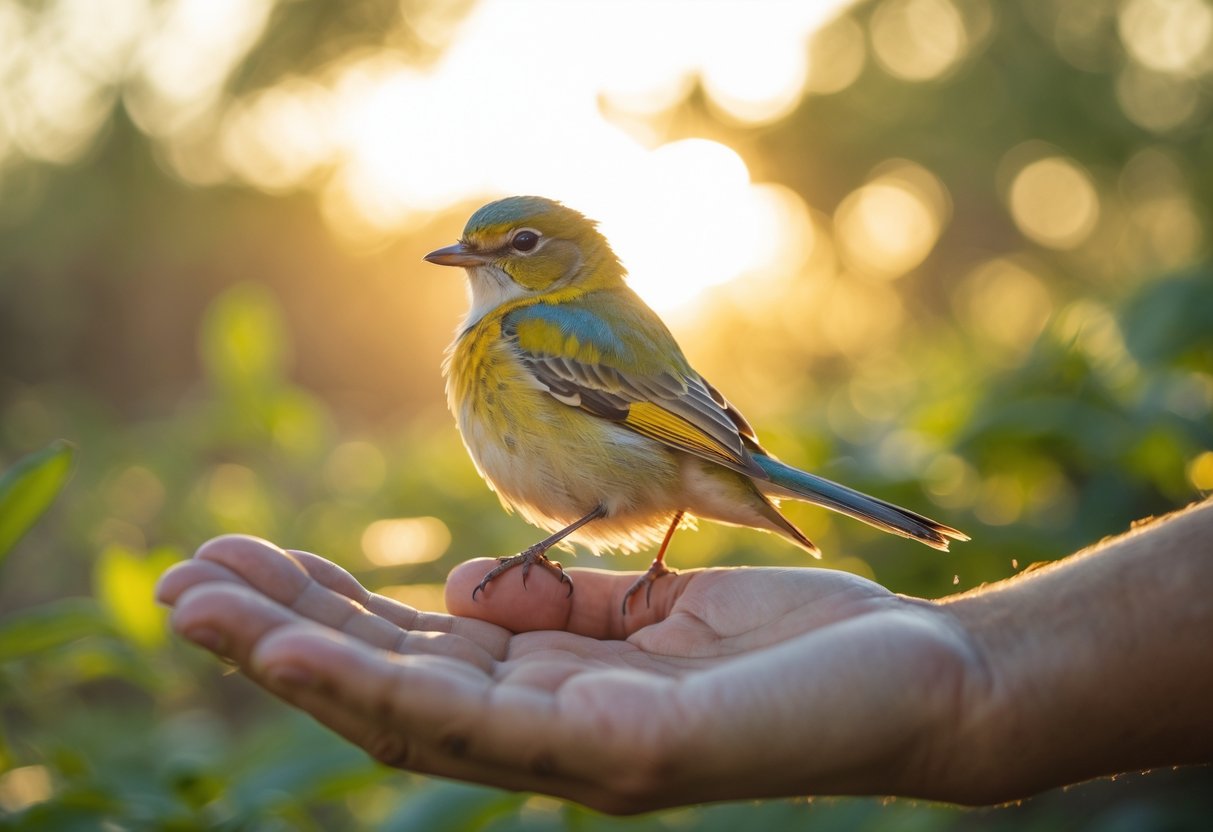
When you understand what trust looks like in birds, you can build a deeper connection with them. You’ll probably spot your bird relaxing when you’re close, copying your sounds, or just enjoying quiet moments together.
All of these little things mean they like your company and feel safe. Knowing these signs can make your time together way more rewarding.
Getting your bird to trust you isn’t something that happens overnight. It takes patience and a gentle approach.
But once you’ve earned their trust, your bird will be happier, more social, and honestly, just easier to care for.
Let’s look at the clear signs your bird trusts you—and how you can strengthen that unique bond.
Understanding Bird Trust and Bonding

When your bird trusts you, they show it through their actions. You can see a stronger connection in the way they behave around you.
Building that bond takes time, patience, and a little understanding of how birds think.
What Trust Means for Pet Birds
A trusting bird feels safe and secure when you’re around. Trust isn’t just about staying calm—it’s about knowing you won’t hurt them.
For parrots and other pet birds, trust lets them relax, explore, and even show affection.
You might spot signs like preening near you, cuddling by nuzzling, or maybe sharing food. If your bird lets you handle them gently or follows you around, you know they feel comfortable with you.
How Birds Form Emotional Bonds
Birds form bonds through repeated positive experiences with you. Your voice, your touch, and just being there become familiar and comforting.
Parrots, because they’re so smart, bond more deeply when you interact with them regularly.
Social stuff like mimicking your sounds or playing together really builds those emotional links. Birds bond as they learn you’re the one providing safety, food, and company.
It’s a two-way street—your bird’s trust grows as you meet their needs again and again.
Building Trust: From Caution to Affection
Building trust starts with patience. Your bird might act a bit cautious at first—they’re vulnerable and need time to feel safe.
Avoid sudden moves or loud noises, and always use a gentle touch.
Spend some quiet time near your bird, letting them get used to your presence. Use a calm voice. Offer treats to help create positive associations.
Eventually, your bird will go from watching you carefully to relaxing near you and maybe showing affection with gentle nudges or soft chirps.
This process can take days, weeks, or even months, especially with parrots. Every small step really does make your bond stronger.
For more detailed tips, check out 9 Signs Your Bird Trusts You & How to Deepen Your Bond.
Clear Signs a Bird Trusts You

When a bird trusts you, you’ll spot it in all sorts of little ways. These signs show comfort, affection, and a real willingness to hang out with you.
If you watch for these behaviors, you’ll know your bird feels safe and happy around you.
Seeking Closeness and Following You
If your bird keeps wanting to be near you, that’s a clear sign of trust. Maybe they hop onto your finger, shoulder, or arm without much hesitation.
You might notice them following you around the room or moving closer when you’re busy with something.
Trusting birds don’t hide away—they seek your company and attention. That closeness means they see you as part of their safe space.
You’ll probably see your bird relaxing next to you or even leaning into your touch. That’s a sure sign they feel secure.
Vocalizations and Mimicry as Affection
Birds use sounds to share their feelings. When your bird mimics your voice or whistles back, it’s a sign they trust you.
These little vocal exchanges mean your bird feels connected and comfortable enough to share their voice.
Happy birds often sing or chirp when you’re nearby. Those sounds show they enjoy your company.
If your bird is quiet or makes harsh noises, they might not feel comfortable yet. Relaxed and positive vocalizations are good signs your bird trusts you.
Beak Rubbing and Allopreening
When a bird rubs their beak gently on you, they’re showing affection. Beak rubbing is like a bird “kiss”—it means they feel safe enough to get close.
Allopreening, or mutual feather grooming, is another strong trust signal. If your bird preens your hair or feathers, they’re treating you like part of their flock.
This behavior is actually pretty intimate and shows deep comfort and bonding.
Flapping Wings: Excitement and Comfort
When your bird flaps its wings lightly while sitting nearby, it’s usually feeling excited or just plain happy. That gentle flapping isn’t the same as frantic wing-beating, which tends to signal stress.
If you notice your bird flapping its wings while hanging out with you, it probably feels safe and full of energy. Honestly, it’s a pretty joyful gesture—your bird trusts you enough to show its happiness right out in the open.


