
Ever heard someone call another person a “silly old bird”? You might pause and wonder what they’re really saying. When you call someone a “silly old bird,” you’re usually being lighthearted, maybe even a little cheeky. It’s not harsh or mean-spirited—it’s more of a playful nudge at someone acting goofy or amusing.
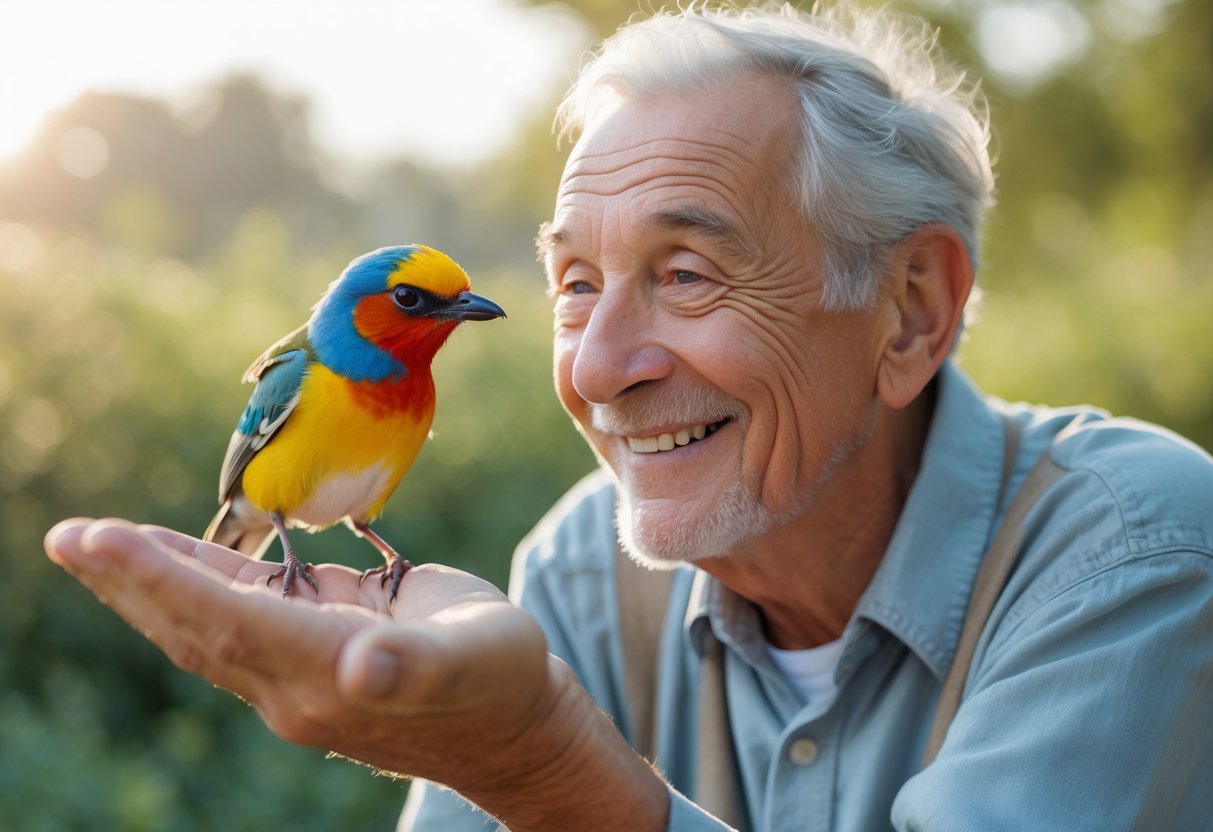
The phrase mixes “silly,” which just means playful or foolish, with “old bird.” People often use “old bird” to refer to a person in a casual, informal way. You’ll hear it when someone wants to joke around without stepping on any toes. It’s honestly a fun little piece of everyday talk.
If you’re curious about how this phrase works in real conversations, stick around!
Meaning and Usage of ‘Silly Old Bird’
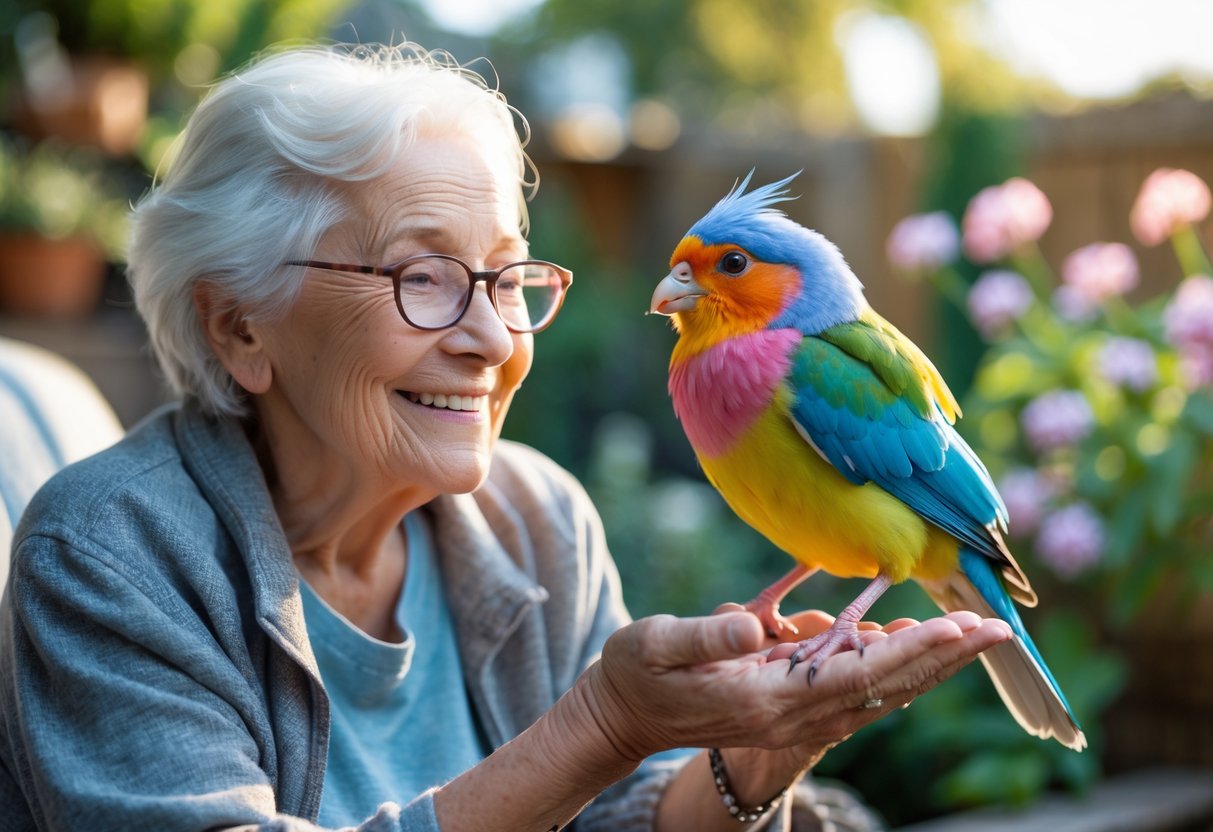
When you hear silly old bird, it’s not just about age or being foolish. The phrase carries a bit of humor, some affection, and maybe a gentle tease.
It can mean different things depending on who’s saying it and how they say it.
Key Interpretations in Modern English
You might use silly old bird for someone who seems a bit goofy or forgetful, but you’re not trying to be mean. It usually points at an older person, often a woman, but it’s rarely meant to sting. Sometimes, it’s just a way to talk about someone acting silly or harmless.
People sometimes use old bird to mean someone with experience, wisdom, or even a bit of cunning. The phrase can mix respect with a wink of humor. Depending on the situation, the tone shifts—sometimes gentle, sometimes a bit teasing, but it usually stays light.
Humorous and Informal Connotations
When you call someone a silly old bird, you’re probably just having a laugh. It’s a friendly tease, not a real insult.
People use it to point out a funny mistake or a quirky habit without sounding harsh. The phrase softens any criticism with a dose of humor.
The “silly” part keeps it playful, and “old bird” adds a touch of warmth. You’re saying the person is charming, quirks and all.
Relation to the Terms ‘Tough Old Bird’ and ‘Astute Person’
You can line up silly old bird next to phrases like tough old bird or astute person. If you call someone a tough old bird, you’re saying they’re strong or stubborn. An astute person? That’s someone sharp and wise.
Old bird on its own often means someone clever or experienced. When you tack on “silly,” it flips things, showing a lighter, more playful side. So if you hear silly old bird, imagine someone wise but also a bit quirky or funny.
This blend lets you talk about people with a mix of humor, depth, and a touch of respect.
You can check out more about the meaning of old bird and how it connects to experience.
Origins, Variations, and Social Context
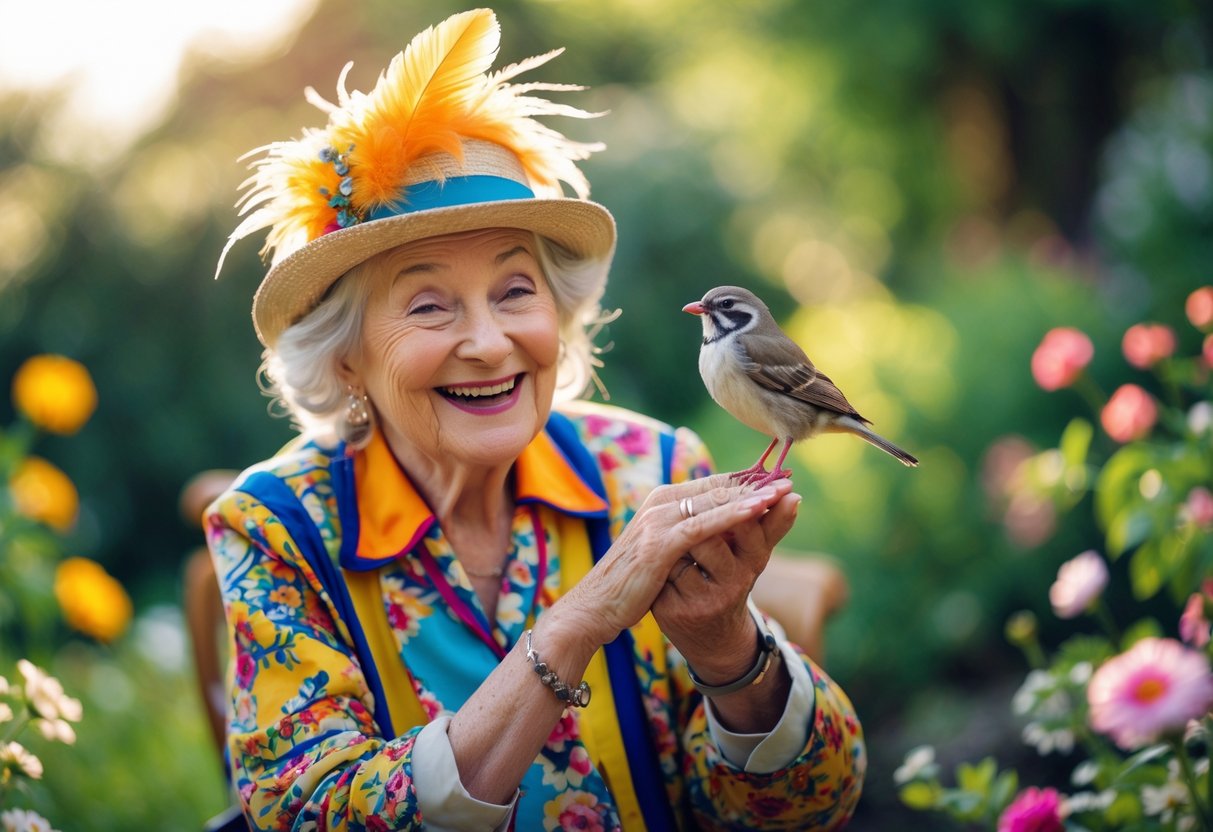
So, where does silly old bird actually come from? And what does it really mean in different circles? The phrase goes back to older words and ideas about how people act.
It also hints at things like age, gender, and personality.
Historical Roots and Idiomatic Evolution
People have used old bird in English for ages to describe someone, usually with a familiar or teasing tone. Sometimes it means someone wise or clever, especially in phrases like tough old bird, which shows respect for someone with grit.
The word silly started out meaning happy or blessed in Old English, but over the years, it shifted to mean weak, innocent, or foolish. When you put them together as silly old bird, you’re usually talking about someone a little odd or slow, but with affection or humor.
Old bird alone can also point to someone who stands out, like in wise old bird—that’s a clever person. Over time, the phrase has picked up extra meanings, depending on the setting.
Cultural Stereotypes and Gender Implications
People usually connect old bird with older women. When someone hears it, they probably imagine a woman—maybe because “bird” pops up as slang for women now and then.
If you call someone a silly old bird, you might mean they’re harmless, quirky, or a bit stubborn. It doesn’t really come across as harsh most of the time.
The phrase sometimes has a gentle humor to it, but honestly, it still echoes old stereotypes about aging and gender roles. Take tough old bird—that one flips things a bit, showing someone as strong and capable, and it pushes back against the tired idea that older folks, especially women, are weak.
When you look at silly old bird, you start to notice how language shifts with the times. It mirrors how we see age and personality, especially in circles where nicknames and playful teasing are just part of the vibe.
Depending on who’s saying it and their mood, you might hear it used warmly or just as a bit of light teasing.
For more on the phrase old bird and what people think it means, check out WordReference Forums.


