
Lions seem like untouchable kings, but a few animals out there actually chase them off. Hyenas, buffalo herds, and even wild dogs sometimes drive lions away—especially when they’ve got the numbers or a smart plan. Numbers, jaws, horns, teamwork… it’s wild how all that can flip the script in the savanna.

As you keep reading, you’ll see which animals really threaten lions, when lions decide to back down, and how the landscape or animal behavior changes the odds. It’s not always clear who’s in charge out there, is it?
What Animals Can Chase or Threaten Lions?
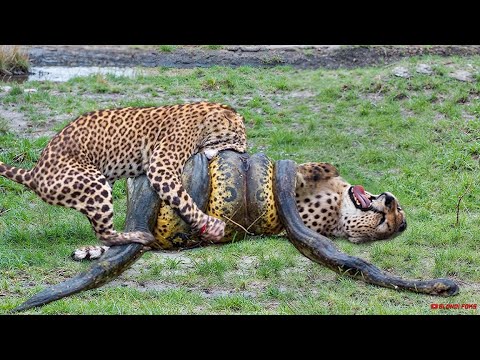
Let’s talk about the big herbivores and pack hunters that chase, injure, or even kill lions. They use size, horns, numbers, and some impressive coordination to defend themselves or hunt when a lion gets separated.
African Elephant: The Ultimate Lion Challenger
If you spot lions near elephants, especially around water or trees, you’ll want to keep your distance. Adult African elephants weigh several tons and charge at lions that get too close to their calves or feeding spots.
One elephant can knock a lion aside or even trample it. Matriarchs don’t hesitate to lead the herd in a coordinated defense if their calves seem threatened.
Lions almost never hunt healthy adult elephants. They might go after the very young, sick, or old ones, but only if the pride is big and luck’s on their side.
When elephants and lions meet at waterholes in the dry season, elephants usually win out. Their size and sharp memory of past run-ins give them a real advantage. For a deeper dive into how elephants shape lion behavior, here’s an analysis worth checking out: (https://tigertribe.net/what-animals-are-lions-afraid-of/).
Cape Buffalo: Fierce Protectors of the Herd
Watch a buffalo herd when lions show up—the buffaloes bunch together fast. Cape buffalo are heavy, tough, and use their big curved horns to fight off predators.
The herd faces outward in a circle or lines up to block lions, and sometimes they’ll chase and even kill a lion that’s gone after a calf or gotten too close.
Lions do hunt buffalo, but they target the isolated, young, or weak ones and rely on teamwork to succeed. A healthy adult buffalo can kill a lion with a single horn thrust or by trampling it.
Buffaloes force lions to change when and how they hunt. They’re honestly one of the most dangerous animals for a lion to mess with.
Hippopotamus and Rhinoceros: Unlikely Adversaries
Hippos and rhinos? Yeah, you shouldn’t get too close to either, especially near water or where they graze. Hippos defend riverbanks with a vengeance and can crush or bite a lion with those massive jaws.
Most hippo attacks on lions happen when lions hunt near the river or stumble across a hippo calf. It’s not a fight anyone wants to see up close.
Rhinos—both black and white—use their weight and horns to charge anything that looks like a threat. Their eyesight isn’t great, so they might charge without warning.
Lions usually avoid healthy adult rhinos and only risk it with young or injured ones. Hippos and rhinos both can turn a failed lion hunt into a deadly disaster for the big cat.
Pack Dynamics: Hyenas and Other Group Hunters
Group hunters like hyenas really shake things up for lions. Spotted hyenas move in big clans and will harass lone lions or steal their kills.
When hyenas outnumber lions, they can injure, kill, or push lions out of an area. They also go after lion cubs if adults aren’t around.
African wild dogs threaten lone lions by chasing them down and biting relentlessly, though they usually avoid a full lion pride. And sometimes, male lions team up to fight other males—these battles are actually a top cause of lion deaths. It’s clear that numbers and teamwork can be even more dangerous than raw size.
Predators and Humans That Chase Mountain Lions

Let’s switch gears to mountain lions. People track them, communities try nonlethal ways to keep them away, and researchers study their moves. Here’s who chases mountain lions, why they do it, and how.
Mountain Lion Hunting with Scent-Tracking Hounds
Hunters use scent-tracking hounds to find and tree mountain lions. The dogs pick up a lion’s scent, bark to let everyone know where they’ve cornered it, and force the cat to climb or hide.
Handlers keep an eye on the dogs, often using GPS collars to watch their path across tough ground. This gives the hunter a clear shot or lets them relocate a lion that’s too close to homes or livestock.
Some states allow hound hunting, but only with special tags and seasons. Groups like the Mountain Lion Foundation push back on hound hunting and want science-based rules. If you’re in an area where this happens, you’ll want to know the local laws, report hounds near your place, and lock up livestock at night.
Nonlethal Coexistence and Hazing Techniques
You can try nonlethal ways to keep mountain lions away from your home or animals. Hazing works—use loud noises, bright lights, toss small objects, or grab bear spray if a lion gets too close.
Communities install motion lights, build better livestock pens, and get rid of things like pet food or open compost piles. Some programs even train dogs to scare off lions without hurting them.
Wildlife managers and NGOs encourage neighborhood patrols and share tips for living alongside mountain lions. If you run into one, stand tall, make some noise, and back away slowly—don’t run.
For a deeper look at hazing and its risks, check out this debate: To Chase or Not to Chase: Hazing Mountain Lions with Dogs (https://mountainlion.org/2025/01/14/to-chase-or-not-to-chase-hazing-mountain-lions-with-dogs/).
Research Insights on Mountain Lion Behavior
Wildlife researchers have noticed that mountain lions usually steer clear of people. Still, these big cats might wander closer if food runs low or their habitat shrinks.
Scientists track their movements and territory sizes with GPS collars, camera traps, and by studying where they hunt. They also watch how mountain lions react to threats. This research shapes policies on hunting, road crossings, and ways to reduce conflicts.
When people reintroduce predators or build new developments, mountain lions change how they use space. University teams and conservation groups regularly share new findings, which influence management and nonlethal programs.
Curious about attack rates, habitat stress, or how people and lions live side by side? Check out the latest peer-reviewed studies and reports from wildlife researchers and conservation organizations.


