
Let’s get straight to it: lions definitely show anger-like aggression, but they don’t really get angry the same way we do. Lions react fiercely to threats, hunger, or challenges to their social rank, and honestly, those reactions look a lot like anger to us.

So, what actually sets them off? You’ll notice certain behaviors—like roaring, growling, baring teeth, or even charging—that signal a lion feels pushed or provoked.
If you ever see these signs, it’s definitely time to back off and give them plenty of space.
Lion Anger: Triggers and Behavioral Signs
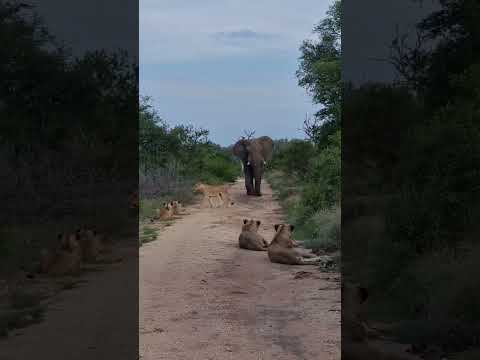
Lions react in pretty obvious ways when they feel threatened or stressed. You’ll spot it in their body language, the sounds they make, and the situations that set them off.
Understanding Lion Emotions and Anger
It’s important to remember that a lion’s reactions come from survival instincts, not any kind of human-style emotions. Their bodies flood with adrenaline and other hormones, making them ready to defend territory, cubs, or a meal.
When a lion seems angry, it usually means it senses danger, competition, or pain. Watch how lions behave in a pride—social rank, recent fights, or hunger all change how quickly a lion snaps.
A male defending his group’s boundaries acts way more intense than a lion just lounging around. In captivity, things like loud noises, crowding, or illness can make lions crankier and more likely to lash out.
Common Causes of Lion Aggression
Certain triggers pop up again and again. When other lions or predators invade their territory, you can expect a big reaction.
Rival prides or lone males often push boundaries, leading to patrols and fights over land and mating rights. When food is scarce, competition heats up and feeding times get tense.
Defending cubs is a huge trigger—lionesses won’t hesitate to attack if they sense a threat. Injury, illness, or a sudden human near a carcass can also spark aggressive behavior.
Where humans and lions clash over land or prey, displaced lions sometimes get bolder and might even go after livestock, which obviously leads to more risky encounters.
Warning Signals of an Angry Lion
Angry lions don’t exactly hide it. Roaring marks territory and warns others to back off.
Short, deep growls or hisses mean they’re getting agitated. If you see flattened ears, bared teeth, or a stiff-legged walk, that’s a sign aggression is building.
Their tails say a lot too—a thrashing or twitching tail shows frustration or rising anger. Charging, or even pretending to charge, is meant to scare you off, but if you don’t leave, it can get dangerous fast.
If a lion crouches with hackles up and pupils narrowed, that’s your cue to slowly back away and not push your luck.
Social Structure, Competition, and Pride Dynamics

Lions live in close-knit family groups, and honestly, that shapes almost everything about the way they act.
Social roles, food fights, and who leads the pride all affect how and when a lion gets aggressive.
Role of Lion Pride in Aggressive Tendencies
Watch a pride for a while and you’ll see that related females keep things running. They hunt together and share cub care, which helps avoid random fights with neighbors.
Males in coalitions defend territory and mating rights. If you wander near a pride’s boundary, resident males will get aggressive to protect their group, usually with loud roars, charging, or even fighting off rivals.
Don’t forget—females can get aggressive too, especially when cubs or a fresh kill are involved. Social bonds within the pride usually prevent pointless fights; aggression mostly ties back to defending something important.
Competition for Food and Resources
Food is the main thing that sparks quick, sharp fights, both within and between prides. When prey gets scarce, you’ll see more chasing, growling, and chaos at carcasses.
Bigger prides can hold territory better but need more food, so competition inside the group can ramp up. When hunting grounds shrink, males might hunt more or try to push others away.
Sometimes, lower-ranking lions get pushed off a kill. It’s kind of like how honey badgers act bold alone, but lions rely on teamwork, so their competition looks different.
Human pressures and shrinking habitats only make these food fights worse. As reserves get smaller, prides clash more often, and aggression gets riskier for everyone involved.
Impact of Pride Dynamics and Hierarchy
Hierarchy shapes who gets to eat first, who breeds, and who steps up to defend the group. If you ever watch a coalition in action, you’ll notice the dominant males usually grab most of the mating chances and lead the fights over territory.
Subordinate lions mostly accept this deal so they can stick around in the pride and pick up some indirect perks.
For you, the takeaway is pretty straightforward: a stable hierarchy keeps endless fighting to a minimum. But when the top spot changes hands or outsiders show up, aggression really ramps up.
Young males that get pushed out will often try to form new coalitions. That move stirs up even more conflict.
Pride dynamics also play a big role in how bold a lion seems. If you look at their behavior, it’s clear that social stability calms them down, while chaos makes them more likely to lash out—whether they’re trying to get food, mates, or just stay safe.


