
You’ll run into two main pictures of Jesus in Scripture: the gentle Lamb and the powerful Lion.
When the Bible calls Jesus the Lion of Judah, it’s pointing to his royal authority and victory—not suggesting he was wild or savage. Let’s look at what “lion” language really means and why it shapes how you see his role.

Let’s dig into the passages that connect Jesus to Judah’s royal family, and the scenes that highlight strength, protection, and triumph.
You’ll get clear takes on the key Bible verses and what the lion image actually brings to your understanding of Jesus.
Jesus as the Lion of Judah: Biblical Foundations
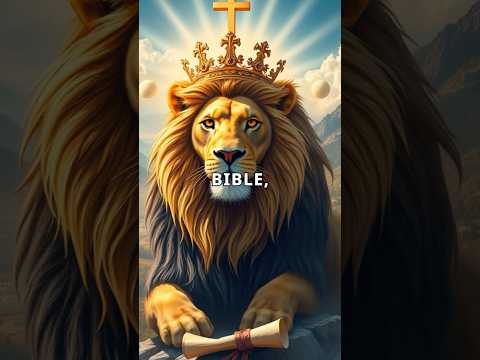
The image of a lion goes back to Jacob’s words about Judah, pops up in Revelation, and connects to King David’s line.
Writers use these points to show why people call Jesus by that title.
Origins in Genesis 49 and the Tribe of Judah
Genesis 49 tells how Jacob blesses his sons and calls Judah “a lion’s cub” (Genesis 49:9). That phrase paints Judah as strong, bold, and ready to lead.
Jacob adds, “the scepter will not depart from Judah,” hinting at ongoing rule from Judah’s family.
You can read this as both a family prophecy and a political promise.
Judah’s tribe later produced Israel’s kings.
The lion language highlights authority and victory—not animal traits.
It sets up the expectation that a ruler (eventually Jesus) will come from Judah’s line.
Revelation 5:5 and the Seven Seals
Revelation 5:5 calls Jesus “the Lion of the tribe of Judah” and connects him to opening a scroll sealed with seven seals.
That scene shows that only someone truly strong and worthy can break the seals and reveal God’s plans.
There’s an interesting contrast here. Right after the lion image, John sees “a Lamb, looking as if it had been slain” (Revelation 5:6).
You get both power and sacrifice in one person.
The seven seals represent God’s hidden purposes. The lion title in Revelation says Jesus, as the Root of David, has the right to act on God’s plan.
The Royal Lineage: King David and the Root of David
Scripture ties the lion image to King David’s family.
David came from Judah, and later writers call the promised ruler the “Root of David.”
This phrase highlights both legal and messianic descent.
The New Testament traces Jesus’ genealogy through David to show he fulfills that promise.
The Root of David title claims both ancestry and the right to reign.
That’s why people call Jesus the Lion of Judah—lions mean kingship, and David’s house gives the historical foundation for messianic kingship.
Messianic Prophecy and the Scepter of Judah
Jacob’s line about the scepter in Genesis 49:10 promises continuing rule “until he to whom it belongs shall come.”
The scepter stands for real authority and lawful rule.
This prophecy points forward to a final, rightful ruler from Judah.
Later biblical texts use that promise to talk about the Messiah’s reign.
New Testament writers present Jesus as the fulfillment—he receives the authority the scepter represents.
That’s why “Lion of Judah” becomes a messianic title, confirming Jesus’ right to rule and his lasting kingship.
Links:
- Genesis 49 text and commentary: https://www.biblestudytools.com/bible-study/topical-studies/powerful-reasons-to-know-god-as-the-lion-of-judah.html
- Revelation 5 and the Lion/Lamb scene: https://www.biblestudytools.com/bible-study/topical-studies/powerful-reasons-to-know-god-as-the-lion-of-judah.html
Symbolism and Meaning: Jesus as a Lion

The lion image points to power, kingly authority, and even a surprising link to sacrifice.
You’ll spot these ideas in scripture, worship, and Christian teaching.
Strength, Courage, and Majesty
The lion symbol stands for visible strength and deep courage.
When you picture a lion, you probably see power that protects and leads.
Christians use this image to talk about Jesus’ authority over fear, evil, and death.
Scripture often connects strength to God’s protection.
Psalm 23 describes a shepherd who guides and defends you.
That same care fits with images of royal power.
Revelation 19 and the title “Lion of Judah” highlight Jesus’ victory and kingship.
Ephesians 6:10 encourages believers to be strong in the Lord—tying personal courage to God’s power, not just human grit.
Artists and hymn writers add their own flair: crowns, banners, and bold stances show rule and hope.
The lion symbol reminds you that Jesus rules with authority and uses his strength for your protection and eternal life.
Christian Theology and the Lion Symbol
The lion takes on specific roles in Christian theology.
The “Lion of the tribe of Judah” links Jesus to David’s royal line and messianic promises.
Revelation 5:5 applies that title to Jesus, showing his authority to open seals and carry out God’s plan.
The Bible uses lion imagery to talk about judgment and deliverance.
Hebrews 13:8 and other passages stress that Jesus stays the same—unchanging, yet active.
Theology wrestles with how Jesus can be both mighty and merciful.
The lion image answers by showing power used for good.
Theology also balances the lion image with others.
John 1:29 calls Jesus the Lamb of God, and passages about sacrifice explain how kingly power doesn’t erase humility.
So, the lion label fits into a bigger scriptural picture about justice, covenant, and God’s rule.
The Lion and the Lamb: Contrasts and Complements
Ever wondered how the image of a lion fits with the Lamb of God? The contrast actually highlights two sides of what Jesus does: he rules, but he also sacrifices.
The lamb points to atonement. John 1:29 and that idea of Jesus choosing to “lay down his life” really show his sacrificial role.
When you put these images together, you get a more complete picture. The lion shows victory, while the lamb brings redemption.
Revelation brings those images together to show a ruler who also saves. That mix shapes how people worship and pray.
You can trust Jesus for justice because he’s powerful like a lion, but you can also count on his mercy for forgiveness.
In everyday life, both sides matter. If you’re facing danger, the lion side gives you courage.
If you’re struggling with guilt, the lamb side offers grace. This combined image helps people believe in eternal life—and in Jesus as both a king and a self-giving savior.


