
You might imagine a wild, movie-style showdown, but here’s the reality: you just can’t expect to fight off a healthy adult lion with your bare hands. Lions have way too much strength, speed, and, let’s be honest, terrifying natural weapons for any unarmed person to stand a real chance.

Still, some things can shift the odds—at least a little. In this article, I’ll break down the real power differences, situations where a human might have a chance, and a few practical survival moves if you ever (hopefully not) come face to face with a lion.
Curious about what might actually help? Let’s get into the tools, tactics, and conditions that could help you survive a lion encounter.
The Reality of Man vs Lion

You’re up against a massive mismatch in strength, speed, and natural weaponry. Tools, distance, or having a group with you make a much bigger difference than any hand-to-hand heroics.
Power and Size Differences
A full-grown male lion tips the scales at 330 to 500 pounds and bites hard enough to crush bone. Most people are nowhere near that size or power.
Lions pack muscles designed for explosive bursts. They can sprint close to 50 mph for short distances and use those big forelimbs and claws to grab and tear.
That mix of weight, speed, and weapons means a lone human almost never wins a straight-up fight. Even if you’re fit and strong, you don’t have natural armor and can’t match the lion’s reach or bite.
If you have to defend yourself, you’ll want something that keeps you at a distance—a firearm, a spear, even an improvised barrier. That changes the odds way more than just raw strength.
Why Lions Are Apex Predators
Lions evolved to hunt big, tough animals. They usually hunt in groups, but even a solo lion has killer instincts.
Their teeth can slice tendons and snap necks. Those claws? They hook into prey and hold it down while the lion finishes the job.
Apex predators like lions shrug off pain and act fast. They don’t wrestle for long—they strike hard and quick. So, if you ever face a lion, remember: it’s a fast, precise hunter, not some slow brute you can overpower.
Human Physical Limitations
We just don’t have claws, fangs, or huge muscles. Our skin and bones can’t take the kind of damage a lion dishes out.
Strength and stamina help, but they rarely close the gap in a one-on-one attack. Adrenaline might give you a quick boost, but it can also make you clumsy or panicked.
If you’ve trained with weapons or in group tactics, your survival chances go up. Teams using rocks, spears, or even vehicles can sometimes drive a lion away.
Alone and unarmed, you’re left with creating space, climbing something sturdy, or grabbing anything nearby to throw off the lion’s attack.
The Role of Confidence and Psychology
Confidence shapes how you react when threatened. If you stay calm—make yourself look bigger, speak firmly, and back away slowly—you might lower the odds of a full-on attack.
Panic, sudden running, or screaming? That’s likely to trigger the lion’s chase instinct.
But let’s be real: confidence isn’t the same as strength. Overconfidence gets people in trouble, making them underestimate danger.
The best bet is a cool head, the right tools, and a basic understanding of lion behavior. Want solid advice? Check out real-life accounts and expert tips on staying safe in lion country.
Scenarios and Survival: What Would It Take?
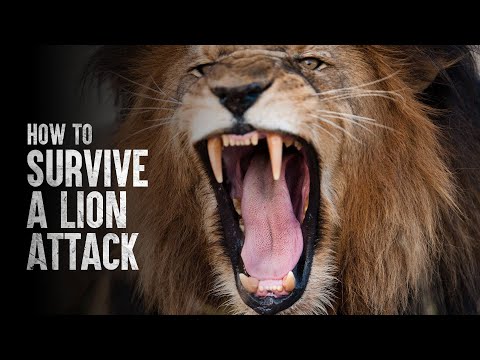
Let’s be honest: the physical gap between you and a healthy adult lion is enormous. Your best shot relies on having the right tools, a lucky break, or help from others.
Could Tools or Weapons Help?
A firearm is your best advantage. If you can aim well and keep calm, a shot to the chest or head can stop a charging lion—but you need the gun ready, the right distance, and some skill.
Improvised weapons aren’t useless. A spear, long stick, or knife keeps the lion at arm’s length and might injure it if you strike the throat, eyes, or nose.
Don’t expect one lucky hit to end things. You’ll probably need several. Use whatever’s handy—rocks, sticks, backpacks—to slow the lion down and put something between you and it.
Go for the face and eyes if you can. Back away slowly, holding your weapon out. If you throw objects, aim to distract or injure, not for pinpoint accuracy.
Carrying deterrents like bear spray or a loud air horn can help too. Just make sure you know the legal and safety rules for weapons where you live.
Special Cases: Injured or Older Lions
An injured, sick, or old lion isn’t as strong or coordinated. If you spot one limping, covered in wounds, or looking scruffy, its chances of overpowering you drop a bit.
Still, don’t get careless. If you notice a lion is weak from a distance, use that time to get ready. Put barriers between you and the animal—climb into a vehicle or a sturdy tree if you can.
Even slow or injured lions can ambush or lash out without warning. Never approach, no matter how feeble it looks.
If you’re dealing with a frail lion, focus on escape, not fighting. Call for help and make noise to draw attention. If you have no choice but to defend yourself, aim quick strikes at the face and throat—don’t try to wrestle.
If possible, note the animal’s condition so you can tell wildlife authorities later.
Group Efforts and Tribe Traditions
When you work with others, your chances of survival jump way up. A bunch of people carrying spears, clubs, or even firearms can drive a lion away much more safely than someone trying it solo.
Traditional hunting and defense tricks really make a difference. Some communities still use coordinated drives, long spears, and sturdy shields to herd or push back lions. If you’re with a group, form a circle and keep kids in the middle. Show a steady line of threat—lions usually don’t want to mess with organized resistance.
If you’re not alone, give everyone a job. Maybe someone watches the sides, another keeps up the noise and makes sure you’re visible, and someone else gets a ranged weapon ready. Working together lets you scare off or even injure a lion without getting too close.
By the way, historical accounts and polls like this YouGov survey show that lots of people overestimate their chances alone. Teamwork? It’s just a lot safer.


