
If you’ve ever dreamed of seeing an Arctic fox in the wild, you’re in luck! These charming creatures, known scientifically as Vulpes lagopus, can be experienced in certain locations throughout the United Kingdom.
Several wildlife parks and reserves offer opportunities to spot these adorable animals up close and learn more about their unique adaptations to cold environments.
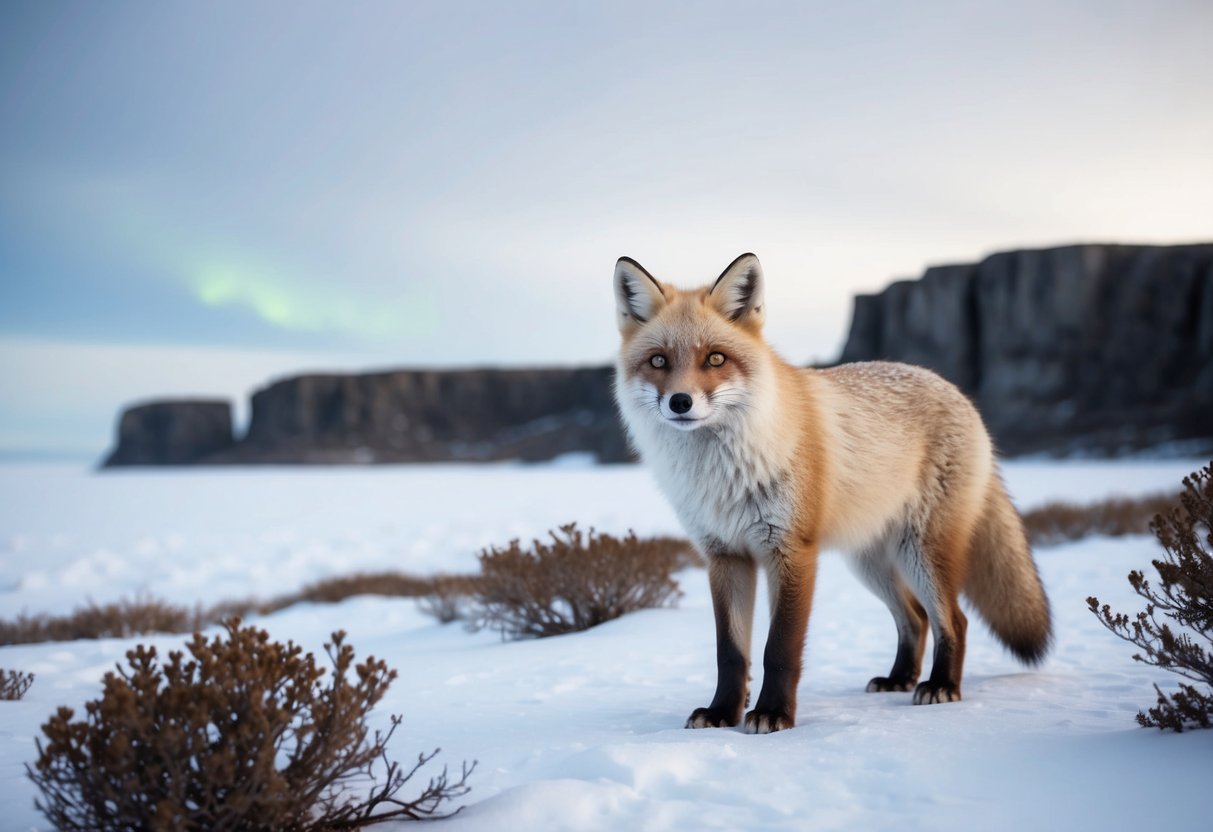
In the UK, one of the best places to see Arctic foxes is at the Wildwood Trust in Kent, where you can observe these fascinating animals in a natural setting. Another option is Northumberland Zoo, which also focuses on conservation and education around wildlife.
Both locations offer a chance for wildlife watching enthusiasts to experience the beauty of Arctic foxes and appreciate their role in the ecosystem.
Understanding the Arctic Fox
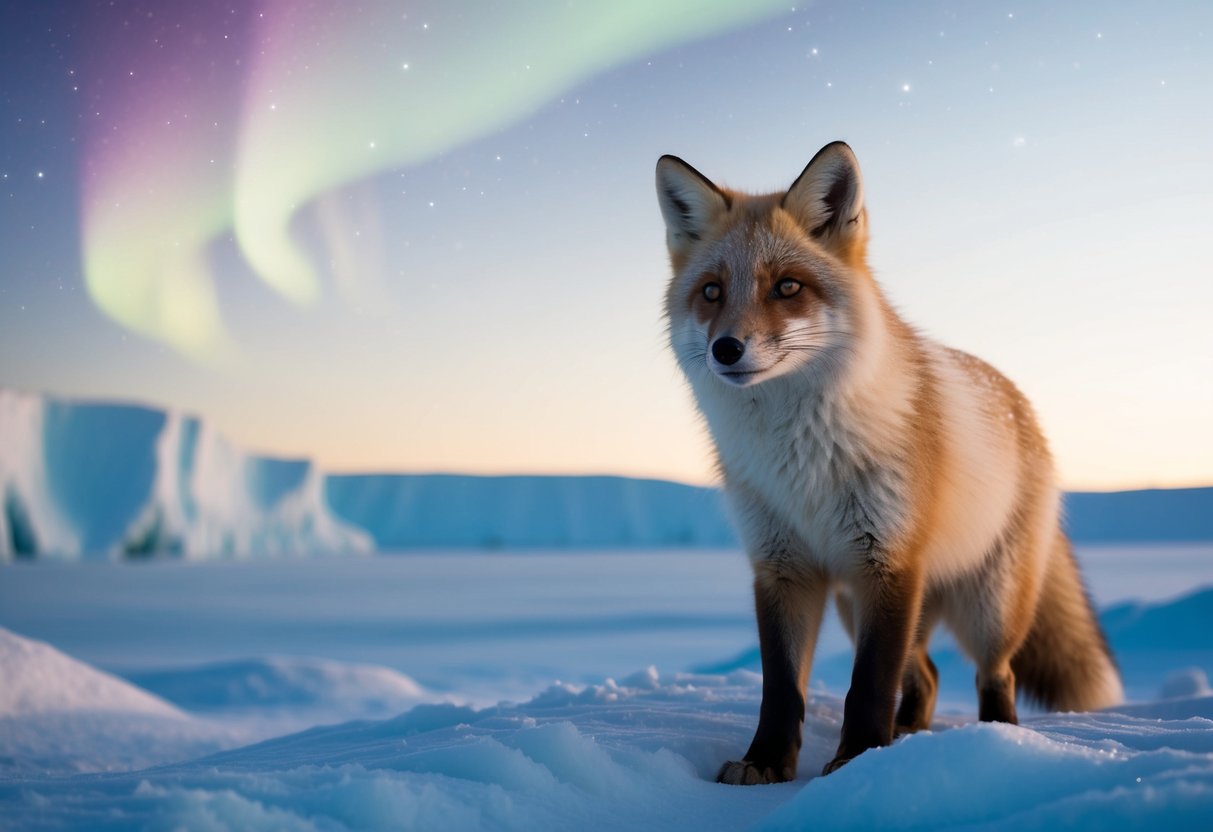
The Arctic fox is a fascinating creature known for its ability to thrive in extreme cold. By exploring its physical characteristics, habitat, and diet, you can gain a better understanding of how this resilient animal survives in the icy tundra.
Physical Characteristics
Arctic foxes are small, hardy animals, usually weighing between 3 to 8 kg. They have a thick, fluffy coat that provides insulation against cold temperatures.
In winter, their coats change to a bright white, allowing them to blend in with the snowy landscape. Their ears are small and rounded, which helps to minimize heat loss. The muzzle is short and compact, perfect for conserving warmth in icy conditions.
During summer, their fur turns to a brown or grey hue, aiding in camouflage against the summer tundra. These specialized adaptations help them survive in sub-zero environments.
Habitat and Distribution
You can find Arctic foxes in some of the coldest regions on Earth. Their habitat mainly includes snowy tundras across parts of Alaska, Canada, Greenland, Russia, Norway, Sweden, and Iceland. These areas are perfect for the foxes due to their rich food sources and protective landscapes.
Arctic foxes are known for their adaptability. They can withstand extreme temperatures and thrive in diverse environments, from frozen ice caps to open tundra. This flexibility allows them to migrate over large distances in search of food and new territory.
Diet and Hunting Habits
Arctic foxes are opportunistic feeders. Their diet mainly consists of small mammals, such as lemmings and voles. They also eat birds, eggs, and carrion if available. This versatility in diet is crucial for their survival in such harsh conditions.
When hunting, they use their keen sense of hearing to locate prey beneath the snow. They can often be seen pouncing on the snow to catch their next meal. In summer, they may forage for berries and other plants, showing their ability to adapt their hunting habits based on available resources.
Where to See Arctic Foxes in the UK
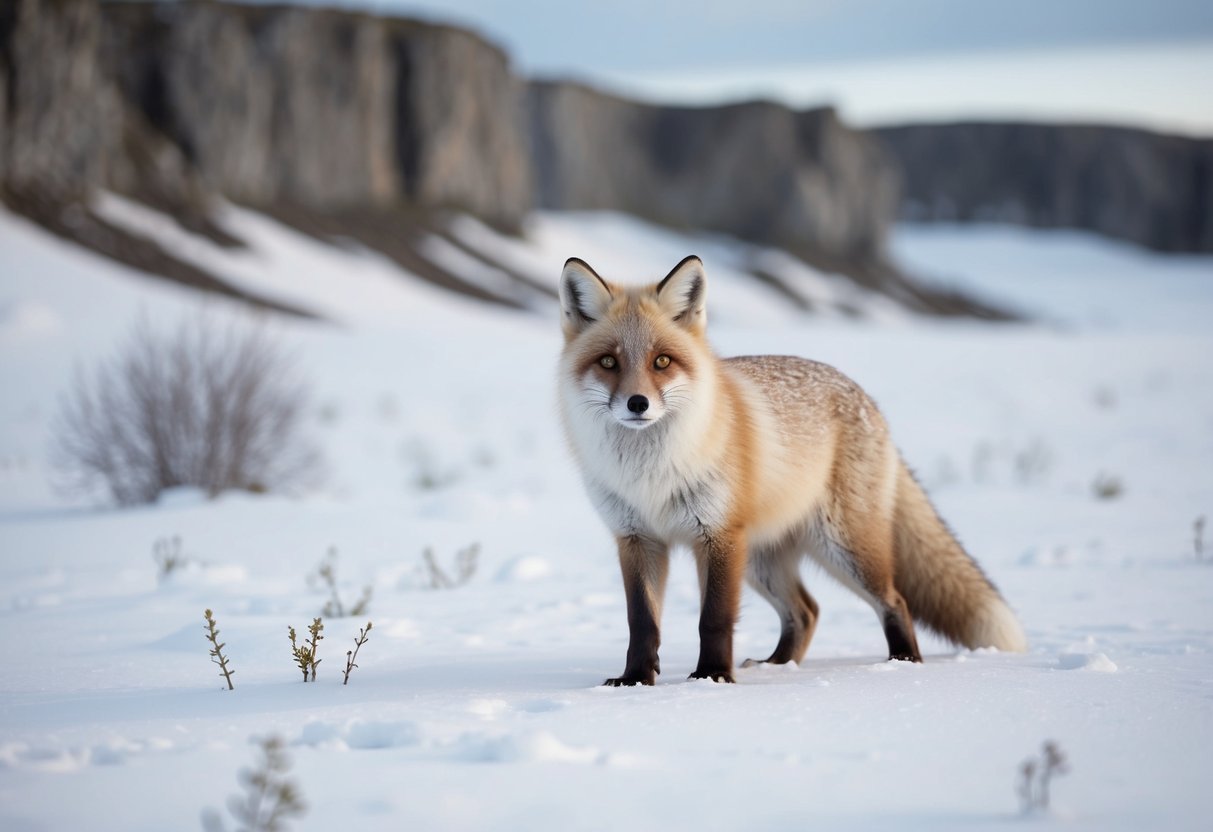
If you’re eager to see Arctic foxes, there are great options in the UK. You can visit wildlife parks, reserves, and conservation centers. These places offer you unique experiences to learn about and see these beautiful animals up close.
Wildlife Parks and Reserves
Wildlife parks are fantastic spots to observe Arctic foxes in their naturalistic habitats. Many parks, like the Peak Wildlife Park, focus on conservation and allow you to see these creatures in a setting that mimics their real environment.
You might have the chance to participate in hands-on experiences, making your visit even more special. Admission fees typically cover park entry and activities.
Most parks have a minimum age requirement of 12 for interactive experiences, ensuring safety. You can watch the foxes play while learning about their unique behaviors and the challenges they face in the wild.
Conservation Centers and Zoos
Conservation centers and zoos also provide excellent opportunities to see Arctic foxes. The Wildwood Trust in Kent is one notable example. They work hard to conserve several species, including the Arctic fox.
At such places, you can often meet experienced keepers who share knowledge about their care and conservation status.
Some centers may offer behind-the-scenes tours or meet-and-greet sessions. These experiences enrich your understanding of these animals. Just remember to check the age requirements, as some experiences may be limited to visitors aged 12 and up.
Interactive Experiences with Arctic Foxes
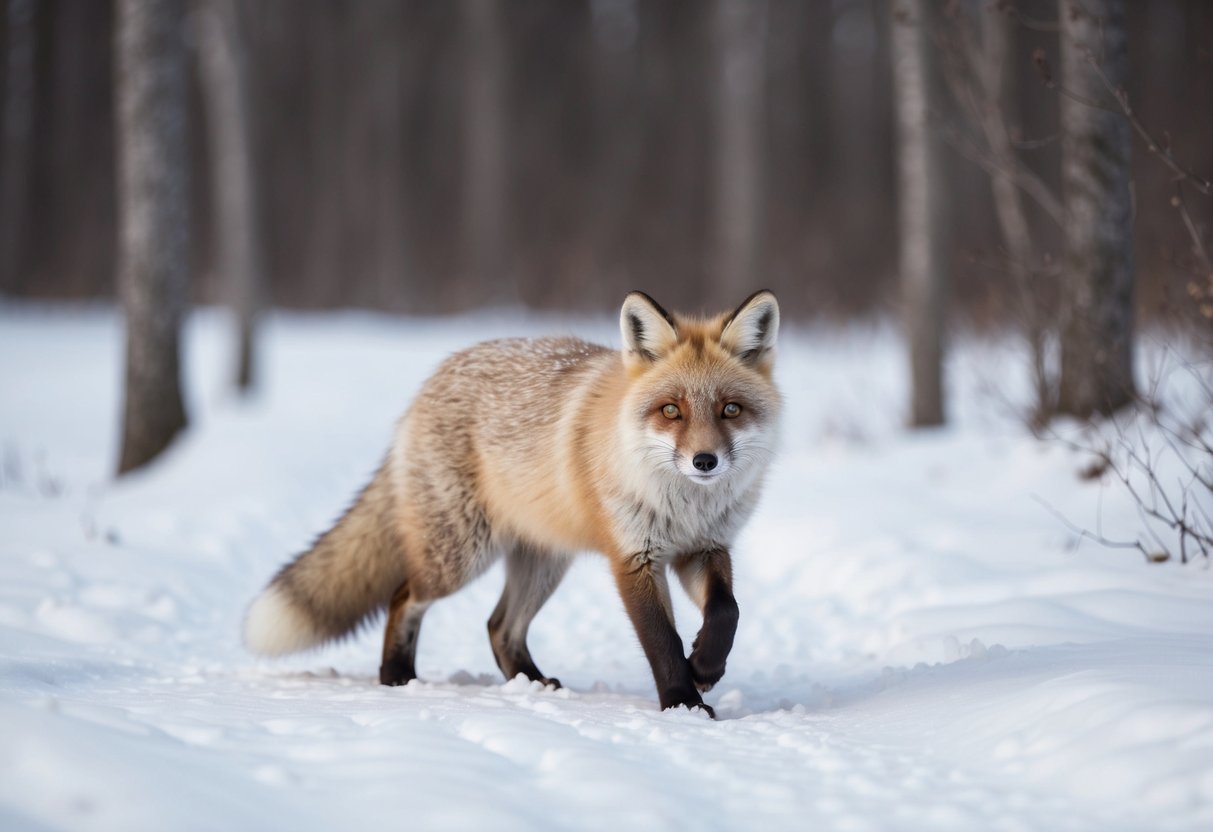
You can have memorable interactions with Arctic foxes through various programs. These experiences allow you to learn about these fascinating animals while also enjoying their playful personalities.
Meet and Greet Opportunities
During a meet and greet, you have the chance to interact closely with Arctic foxes. You might encounter both adult foxes and their curious pups.
It’s an unforgettable opportunity for photos and personal memories. These events often take place in safe enclosures. You can offer food to the foxes, which makes them even more engaged.
You’ll see their playful nature up close and learn about their behaviors and habitats. The experience usually lasts an hour or so and can be a fun outing for families or individuals who love animals.
Educational Programs
Educational programs diving into Arctic foxes can enhance your understanding of these unique animals. Many programs involve talks about their habitats, diets, and behaviors.
You’ll also learn fascinating facts about how Arctic foxes adapt to cold environments. Many programs involve interactive sessions where you can ask questions and observe live feeding. This adds a hands-on element to your visit.
Some facilities may even provide a chance to participate in enrichment activities for the foxes. These experiences are perfect for schools, families, and animal lovers. Check local centers for schedules and availability. You’ll leave with a deeper appreciation for Arctic foxes and their role in nature.
Protecting Arctic Foxes
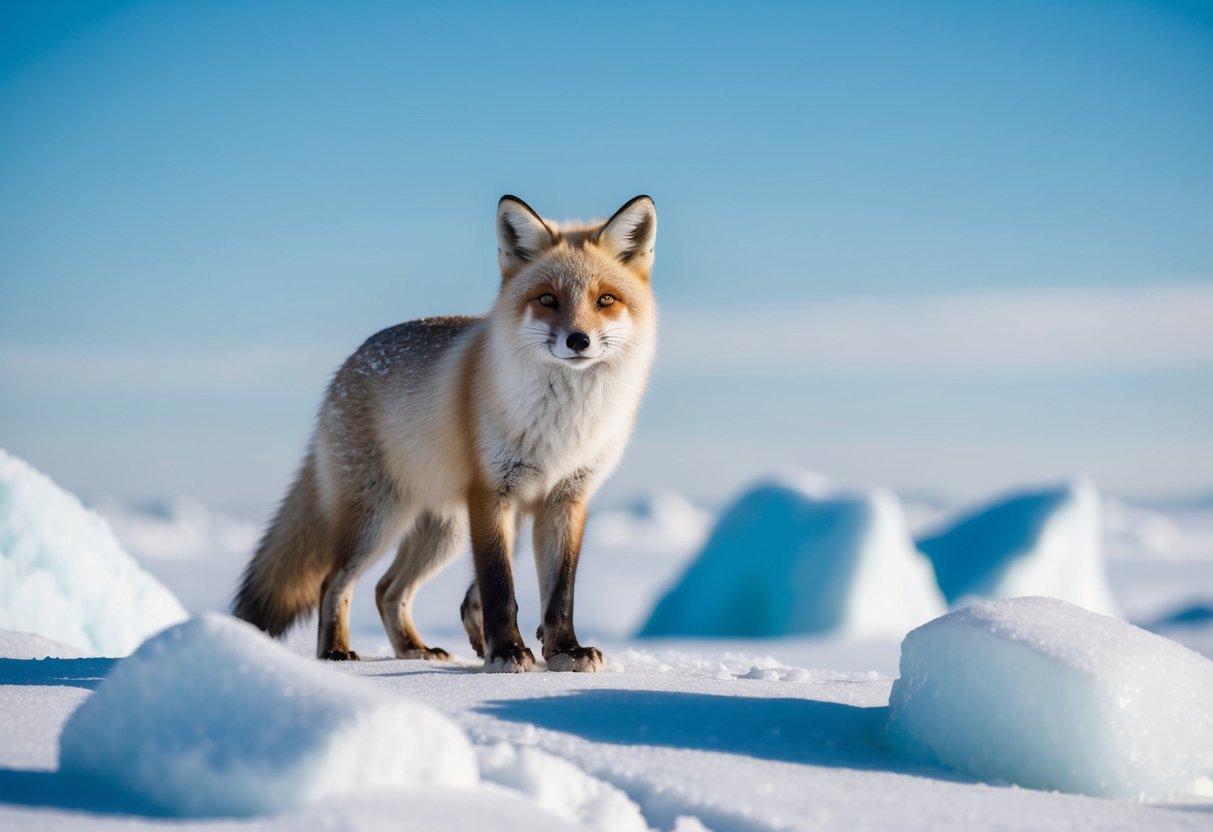
You might wonder how to help protect Arctic foxes, which are currently classified as of “Least Concern” on the conservation status scale. It still requires action to maintain stable populations, especially as they face challenges from climate change and habitat loss.
Here are some key efforts in conservation and how you can support these unique mammals.
Conservation Efforts
Many organizations work hard to conserve Arctic foxes. These efforts include habitat preservation and research programs aimed at understanding their populations.
Field studies help track changes in their environment, especially as freezing Arctic temperatures change. Some areas also have protections against hunting, allowing populations to thrive.
Educational campaigns raise awareness about the importance of Arctic foxes and their ecosystems. You can support these programs by sharing information and advocating for policies that protect wildlife.
Supporting Arctic Fox Populations
You play an important role in supporting Arctic fox populations. Supporting non-profit organizations dedicated to fox conservation can make a big difference. These groups often run awareness programs and sometimes conduct restoration projects.
It’s also helpful to minimize your carbon footprint. Climate change affects Arctic habitats and the food sources for these foxes. You can engage in sustainable practices and support legislation that combats climate change. Every little action helps protect the Arctic fox and its home.


