
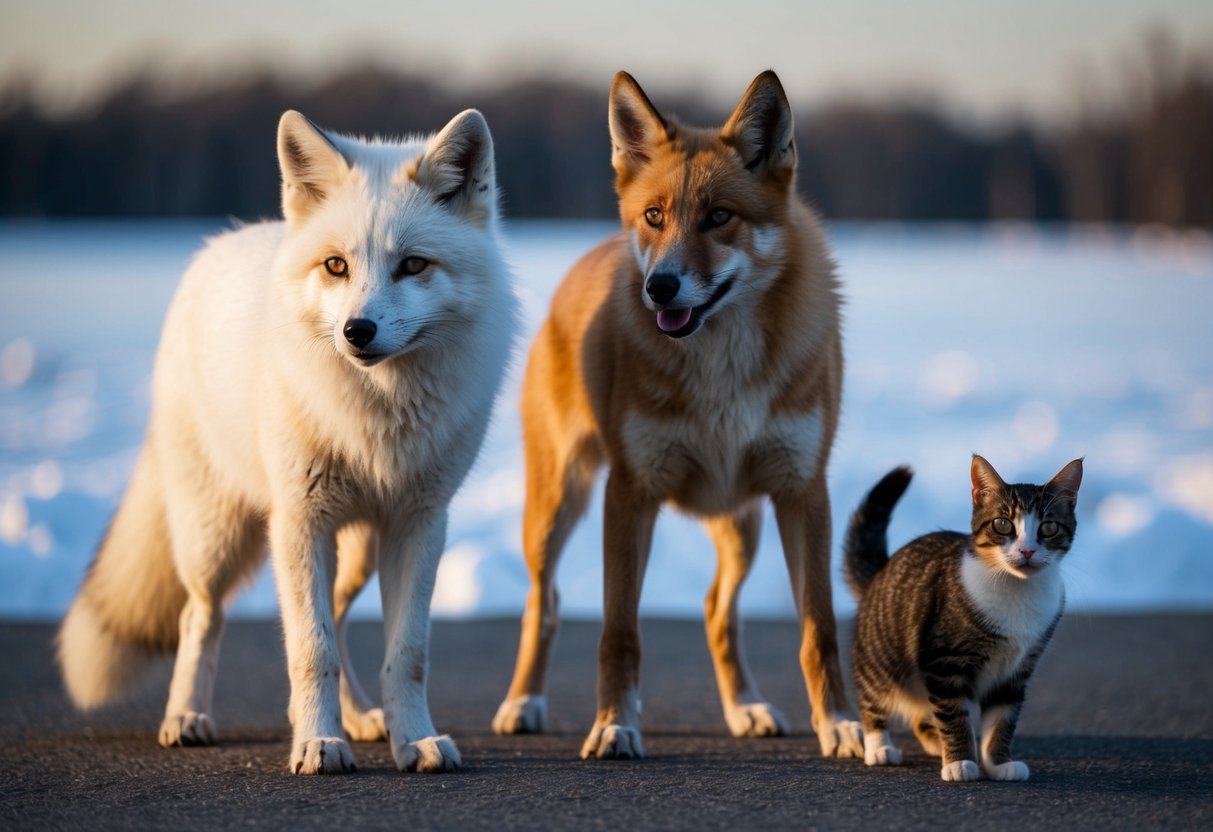
If you’ve ever wondered about the Arctic fox, you might be confused about whether it’s a cat or a dog. The Arctic fox, scientifically known as Vulpes lagopus, is actually a member of the Canidae family, which includes animals like dogs, wolves, and coyotes. These remarkable creatures have unique adaptations for surviving in extreme cold, showcasing traits that make them fascinating to study.
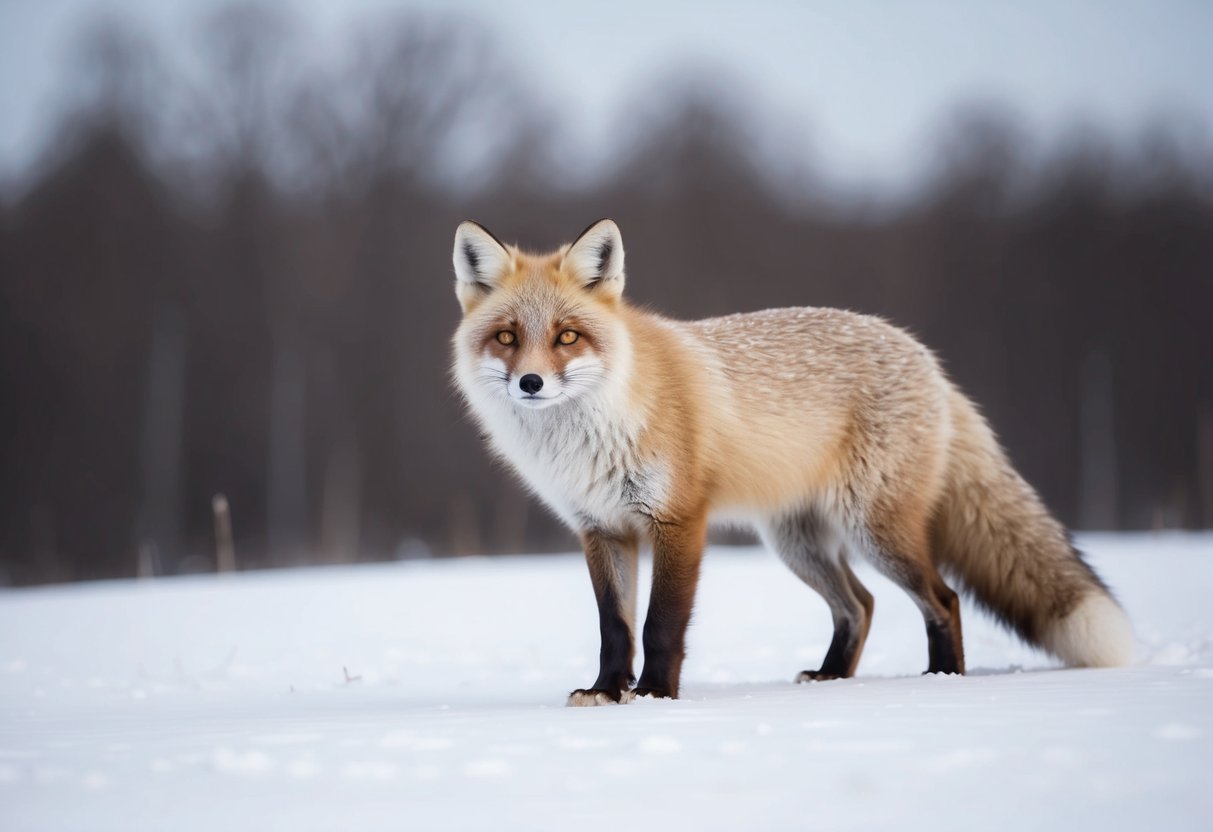
While they may look cute and cuddly, Arctic foxes are distinct from both cats and dogs. They have characteristics that align more closely with their canine relatives, such as their bushy tails and sharp hunting instincts. Their playful behavior and social nature can remind you of dogs, yet they are unique animals with their own special traits.
Curious about the life of an Arctic fox? Get ready to explore their habitat, diet, and behaviors that set them apart in the wild. You’ll discover what makes these little creatures so special and why they are not just a mix but a unique species of their own.
Understanding the Arctic Fox
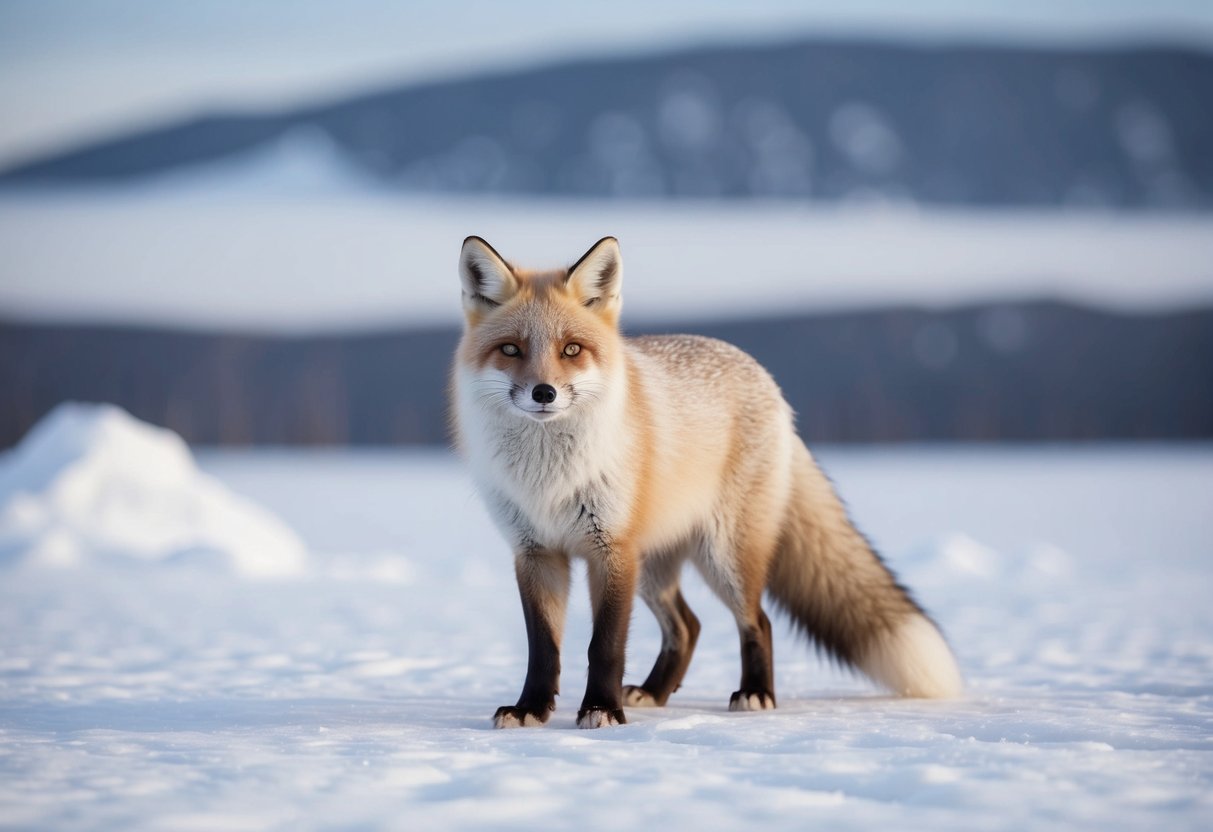
The Arctic fox is a fascinating mammal known for its unique adaptations to cold environments. This section explores its physical characteristics and habitat, giving you a better appreciation of this remarkable creature.
Physical Characteristics and Adaptations
The Arctic fox is a small member of the Canid family, typically measuring between 75 and 115 centimeters long. Its size is similar to a big house cat or small dog. The fur is a key feature, offering excellent insulation against frigid temperatures, sometimes dropping to -50 degrees Celsius.
Arctic foxes have two main color phases: white and blue morph. In winter, they wear a thick white coat that camouflages them against the snowy tundra. In summer, their coat changes to a gray or brown color, providing cover among rocks and vegetation.
Their bushy tail is also not just for looks; it helps keep them warm by covering their face when they curl up to sleep. These adaptations are crucial in minimizing heat loss and ensuring survival in harsh climates.
Habitat and Distribution
Arctic foxes primarily inhabit the Arctic tundra, which spans across northern parts of Alaska, Canada, and Greenland. This environment features flat landscapes with rocky or snowy areas, ideal for hunting and shelter.
You’ll find them living in both coastal and inland regions. They are well adapted to these cold habitats and can roam across vast territories in search of food.
Their diet mainly consists of small mammals like lemmings, as well as birds, eggs, and carrion.
The population of Arctic foxes can fluctuate based on prey availability. When lemming numbers rise, so do the Arctic fox populations. This relationship demonstrates their reliance on the tundra ecosystem. Understanding where they live helps you appreciate the balance of life in these frigid environments.
Behavior and Diet
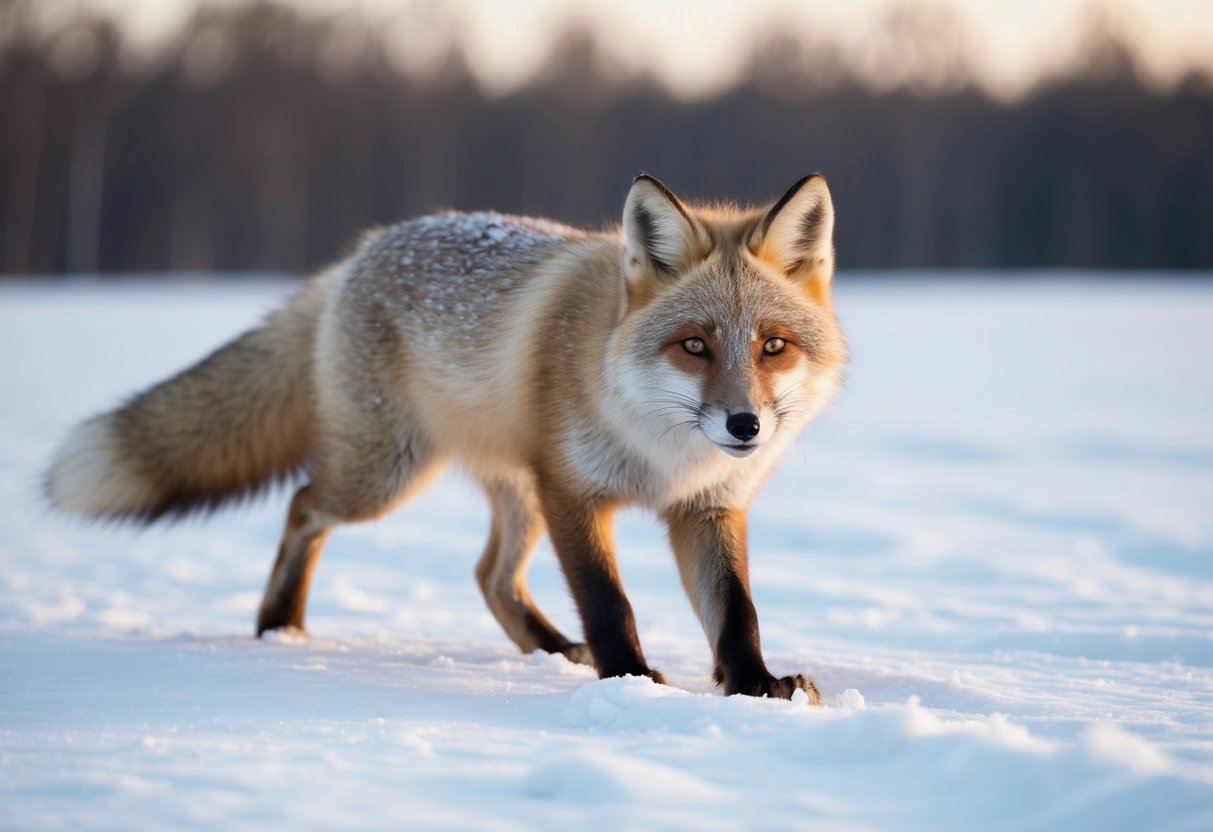
The Arctic fox is known for its clever hunting skills and adaptable diet. Its behaviors are shaped by its needs to survive in harsh Arctic environments. Understanding how they hunt and what they eat reveals a lot about these fascinating animals.
Hunting Techniques and Prey
Arctic foxes are skilled hunters and have developed unique techniques for finding food in snowy landscapes. They primarily hunt small mammals like lemmings and voles.
These foxes use their keen hearing to detect prey beneath the snow. When they locate a target, they can leap high into the air and dive down to catch it.
Common prey includes:
- Lemmings
- Voles
- Small birds
- Rodents
They also scavenge for carrion when hunting is tough. In some areas, their natural predators include golden eagles and wolverines, which adds to the challenges they face.
Feeding Habits and Food Sources
The diet of Arctic foxes is quite diverse, making them classified as omnivores. Besides small mammals, they eat berries, seaweed, and even fish when the opportunity arises.
During the summer months, these foxes will search for edible plants and insects to supplement their diet. Here are some key food sources:
- Mammals: Lemmings, voles, and other rodents.
- Birds and Eggs: They hunt for birds and will raid nests for eggs.
- Vegetation: Berries and seaweed are common during warmer seasons.
This variety helps them survive different seasons and changing food supplies in their Arctic habitat. By being opportunistic eaters, they ensure they have the energy to thrive in tough conditions.
Reproduction and Conservation
Arctic foxes have unique breeding patterns and face various environmental challenges. Understanding their reproductive habits and the current conservation status can help you appreciate the efforts needed to protect this fascinating species.
Breeding Patterns and Lifecycle
Arctic foxes are monogamous pairs. They often mate in late winter. The breeding season typically runs from March to early June.
The female gives birth to a litter ranging from 5 to 10 pups, depending on food availability. Each pup, also known as a kit, is born blind and needs lots of care.
Gestation lasts about 52 days. After they are born, the pups stay in the den for safety. They are weaned by around 8-10 weeks and begin to explore their surroundings.
During summer, you might see them playing and learning to hunt, which is vital for their survival.
Environmental Challenges and Protection
The IUCN classifies the Arctic fox as “Least Concern.” However, climate change and habitat loss pose significant threats to them.
The warming Arctic affects their main food sources, such as lemmings. This can lead to lower survival rates for pups.
Conservation efforts include monitoring their populations and protecting their habitats. You can support those efforts by learning more about their ecosystems and advocating for policies that address climate change.


