
Arctic foxes are fascinating creatures that thrive in the harsh conditions of the tundra. These clever animals primarily eat lemmings, rodents, and fish, but they also enjoy various plants and scavenged food when necessary. Understanding their diet gives you a glimpse into how these small foxes adapt and survive in one of the coldest environments on Earth.
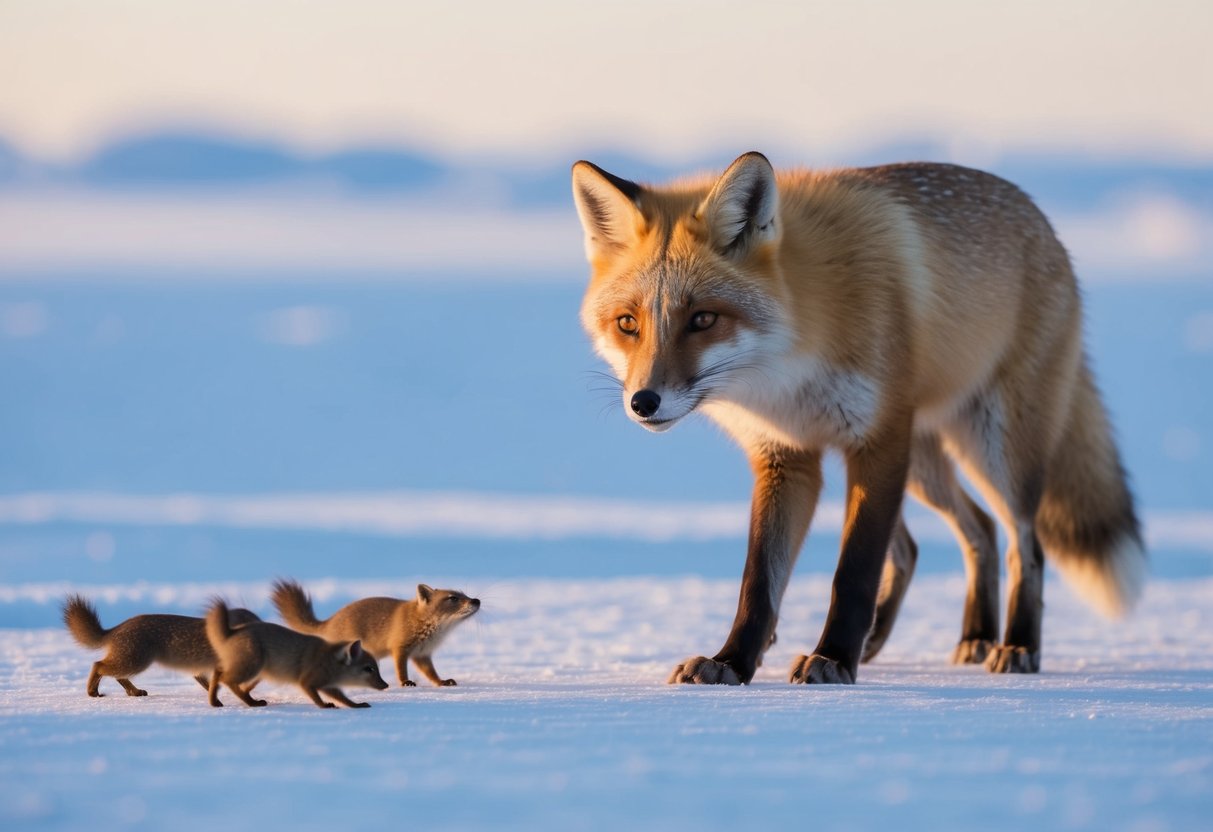
As omnivores, Arctic foxes have a diverse diet that helps them cope with the changing seasons. In summer, they can consume a large number of rodents, up to 60 in a day, when food is plentiful. During winter, they rely more on their scavenging skills, often following polar bears to find leftover kills. This adaptability is key to their survival in the tundra.
Learning about what Arctic foxes eat can deepen your appreciation for these unique animals. From their hunting techniques to their foraging habits, exploring their diet reveals much about their role in the Arctic ecosystem.
Arctic Fox Diet
Arctic foxes have a varied diet that changes based on the season and availability of prey. These clever hunters adapt their tactics to catch small mammals, birds, and even scavenge when needed.
Hunting Tactics and Prey
Arctic foxes are skilled hunters. Their main prey includes lemmings and other small mammals like voles and rodents. They can hunt in different ways; one effective method is to pounce on their prey from a distance. When hunting, they rely on their excellent hearing and smell. They can even detect animals hiding under the snow. Besides small mammals, they catch birds, bird eggs, and sometimes seal pups, especially in areas near the coast. Their diet can change based on what is available and what is successful to hunt.
Seasonal Dietary Adaptations
In winter, Arctic foxes adapt their diet to survive the cold. With fewer small mammals around, they may eat berries, insects, and even carrion, which is the meat of dead animals. During summer, they can feast on rodent populations as they rise, eating up to 60 rodents a day in large family groups.
They also eat seaweed and fish when coastal hunting is possible. This adaptability helps them thrive in the harsh Arctic environment. Whether it’s summer or winter, their clever hunting skills ensure they get the nutrition they need to stay healthy.
Habitat and Adaptations
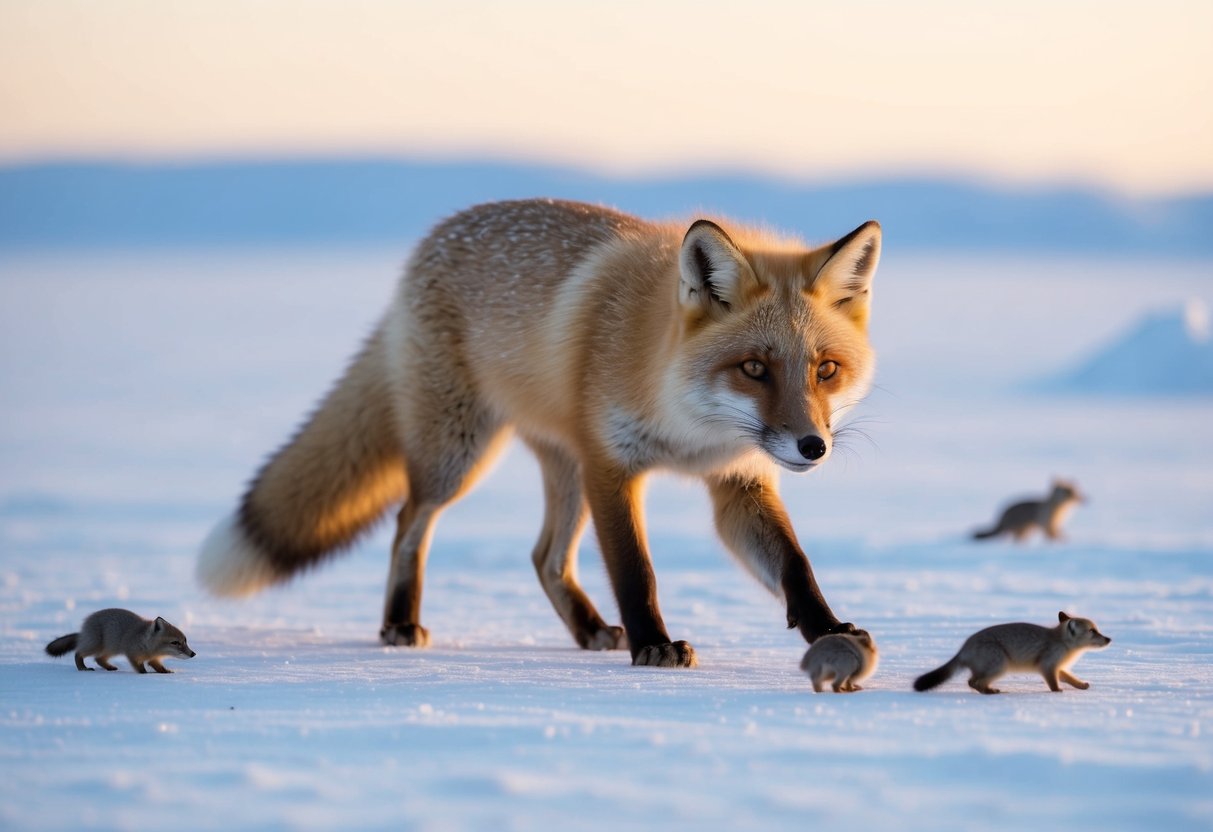
Arctic foxes have unique features that help them thrive in their cold, challenging environment. Their habitat includes the Arctic tundra, where temperatures can drop drastically. They have developed special adaptations that assist in hunting, staying warm, and avoiding predators.
Physical Adaptations
Your Arctic fox has several physical traits that make it ideal for life in the tundra. One of the most notable is its thick fur, which provides insulation against frigid temperatures. The fur changes color with the seasons, turning white in winter for camouflage against the snow.
The fox also has short legs and a compact body, which minimize heat loss. Its short muzzle reduces the amount of exposed skin, helping to keep it warm. Furthermore, Arctic foxes have keen hearing, allowing them to locate buried prey beneath the snow.
Behavioral Adaptations
Behavioral adaptations are equally important for Arctic foxes. They are clever scavengers, often hunting small mammals like lemmings, birds, and even carrion. This opportunistic feeding behavior allows them to survive when food is scarce.
These foxes dig dens or burrows in the permafrost, providing shelter from harsh winds and predators. Living in family groups, they rely on teamwork to find food and protect their young. Climate change poses a threat to their habitat, but these foxes have already adjusted their hunting patterns to cope with changing conditions.
Reproduction and Lifecycle
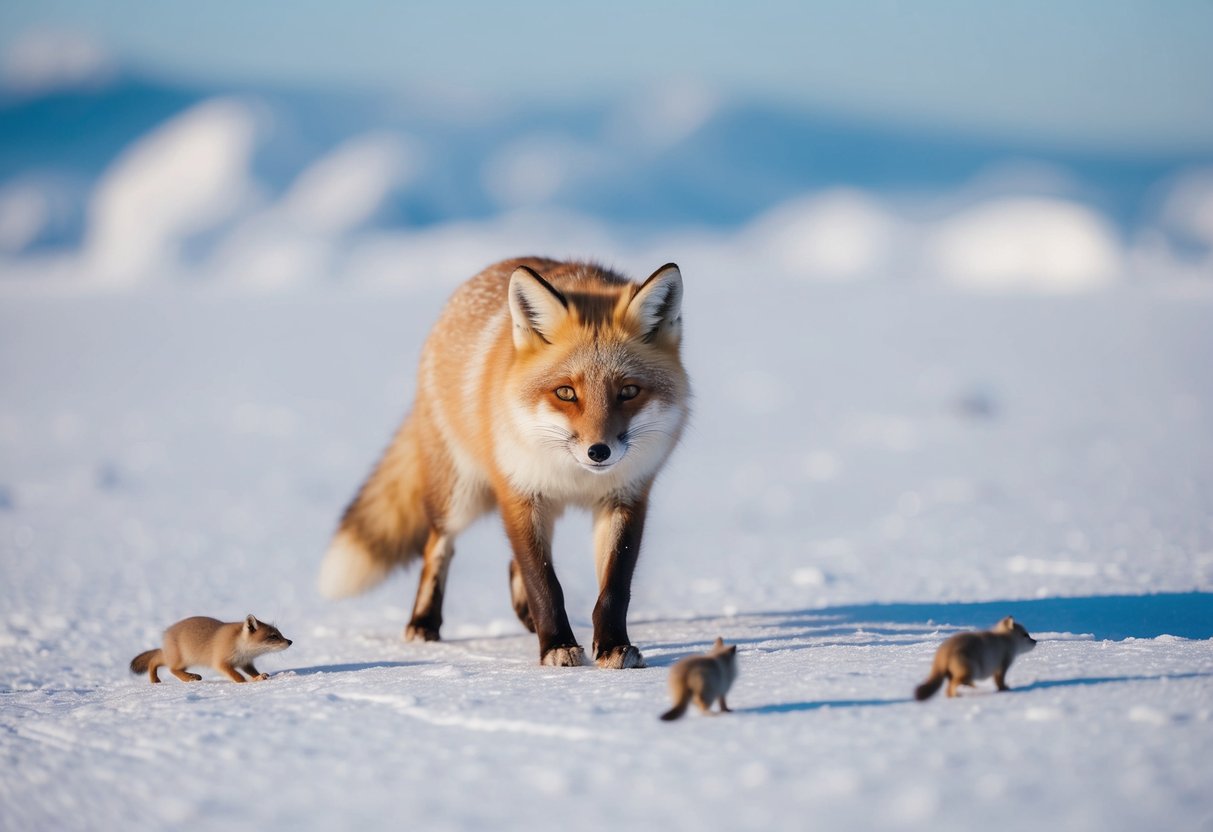
Arctic foxes have a unique life cycle shaped by their cold habitat. Their breeding habits and the nurturing of their young are fascinating aspects of their survival. Let’s explore how these animals reproduce and what life is like for the young foxes.
Breeding and Gestation
The breeding season for Arctic foxes occurs from late March to early May. During this time, these animals form monogamous pairs, often staying together for several years.
After mating, the female Arctic fox will find a suitable den, which can be dug into the ground or found in rock crevices.
The gestation period lasts about 52 days. She usually gives birth in late May or early June. Litter sizes can vary, but it’s common for them to have 5 to 10 kits. The kits are born blind and rely heavily on their mother for warmth and food.
Growing Up in the Tundra
Once the kits are born, both parents participate in raising them. The male often helps by hunting and bringing food back to the den.
As the pups grow, they start to develop their fur and eyes open around two weeks old. At about three weeks, they begin to explore outside the den but still depend on their parents for safety and nourishment.
Around 8 to 10 weeks, the kits start learning to hunt. They practice catching small mammals and can even mimic their parents’ behavior. Parental care continues for several months, ensuring the young foxes are ready to survive in the wild.
By the time winter arrives, they are almost fully grown and ready to start their own lives in the harsh Arctic conditions.
Conservation Status and Human Impact
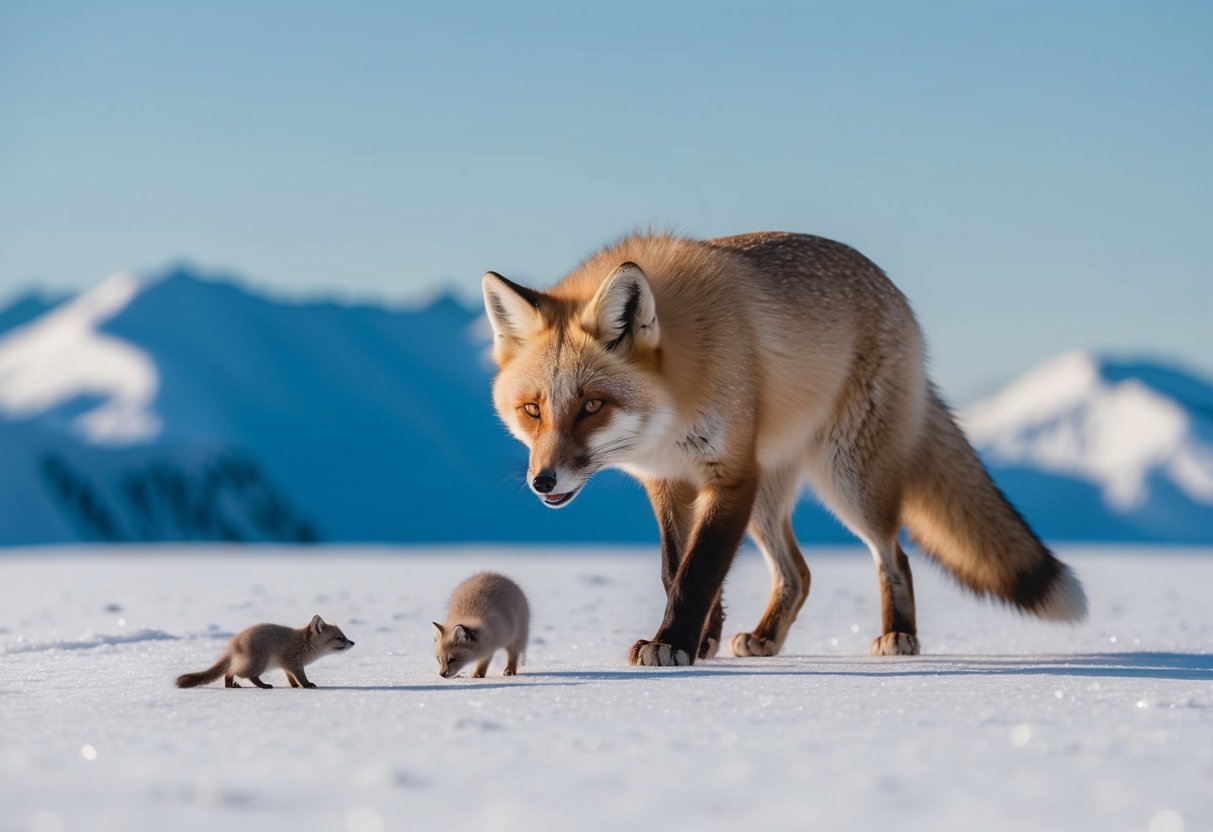
The survival of Arctic foxes is affected by various human activities and environmental changes. Understanding these threats is key to helping them thrive in their habitats.
Threats to Survival
Arctic foxes face several threats that impact their populations. Climate change is one of the biggest issues. With warmer temperatures, their snowy habitats are changing, making it harder for them to find food and shelter.
Human activities also play a role. In regions like Russia, Europe, and North America, habitat destruction occurs due to urban development and resource extraction. This often leads to more encounters with predators like polar bears, which may challenge the foxes for food and space.
Additionally, in some areas, hunting and trapping still pose risks. While the Arctic fox is listed as “Least Concern” on the IUCN Red List, certain populations are declining, particularly in places like Scandinavia, where fewer than 200 individuals may be left.
Arctic Foxes and People
Humans have a complex relationship with Arctic foxes. People often view them as cute pets or domesticate them in some regions. This leads to confusion between wild and domestic animals like dogs and cats. While this may seem harmless, it can affect wild populations through habitat encroachment or by introducing disease.
Conservation efforts are vital to help protect Arctic foxes from these pressures. Organizations work to educate people about the importance of preserving their habitats and the role these foxes play in the ecosystem. By minimizing human impact and supporting conservation programs, your actions can help ensure Arctic foxes continue to thrive in the wild.


