
As you explore the fascinating world of Arctic foxes, also known as Vulpes lagopus, you’ll discover how these clever animals care for their young in their harsh Arctic environment. These resilient creatures, often called white foxes or polar foxes, have special adaptations that help them thrive in extreme conditions. Both parents actively participate in raising their kits, ensuring they receive warmth, food, and protection.
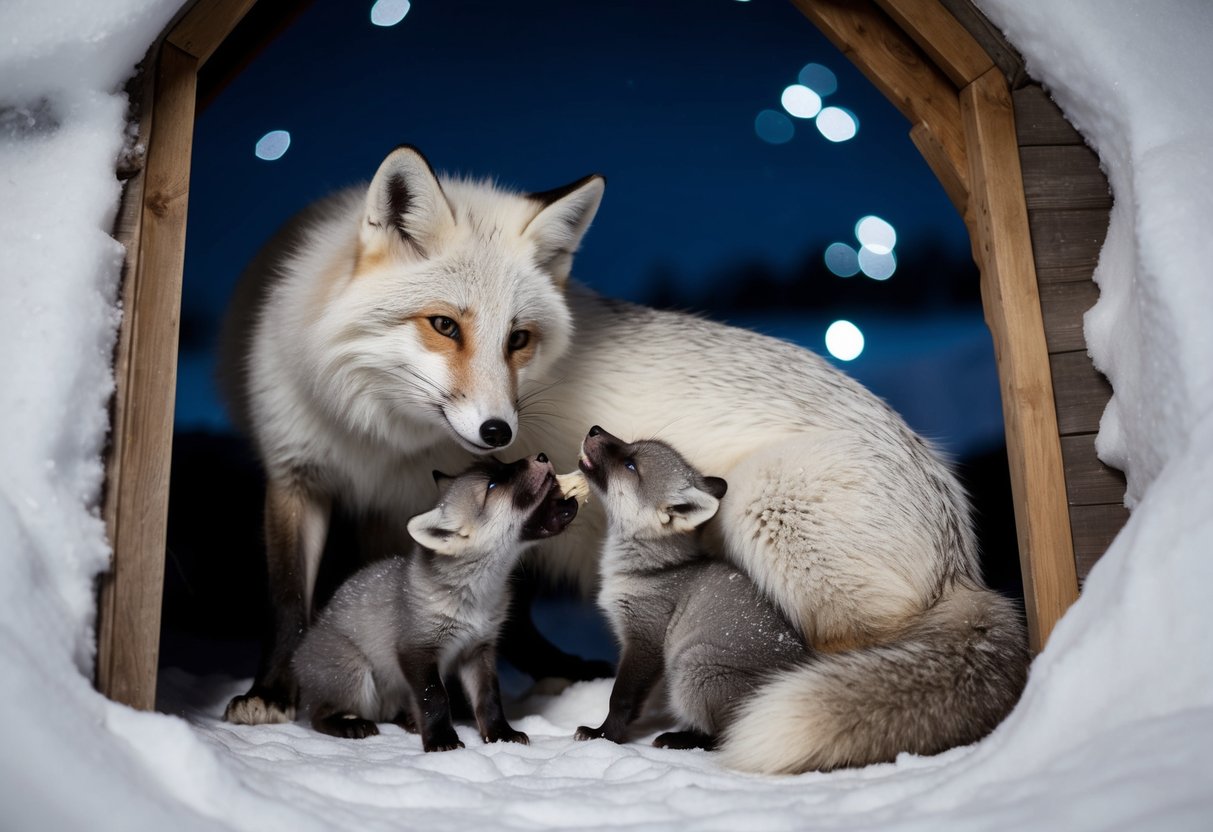
When a female Arctic fox gives birth, the male partner plays a key role by bringing food back to the den, allowing the mother to nurse and protect their pups. This teamwork is crucial for survival, especially in such a challenging climate.
The Basics of Arctic Fox Reproduction
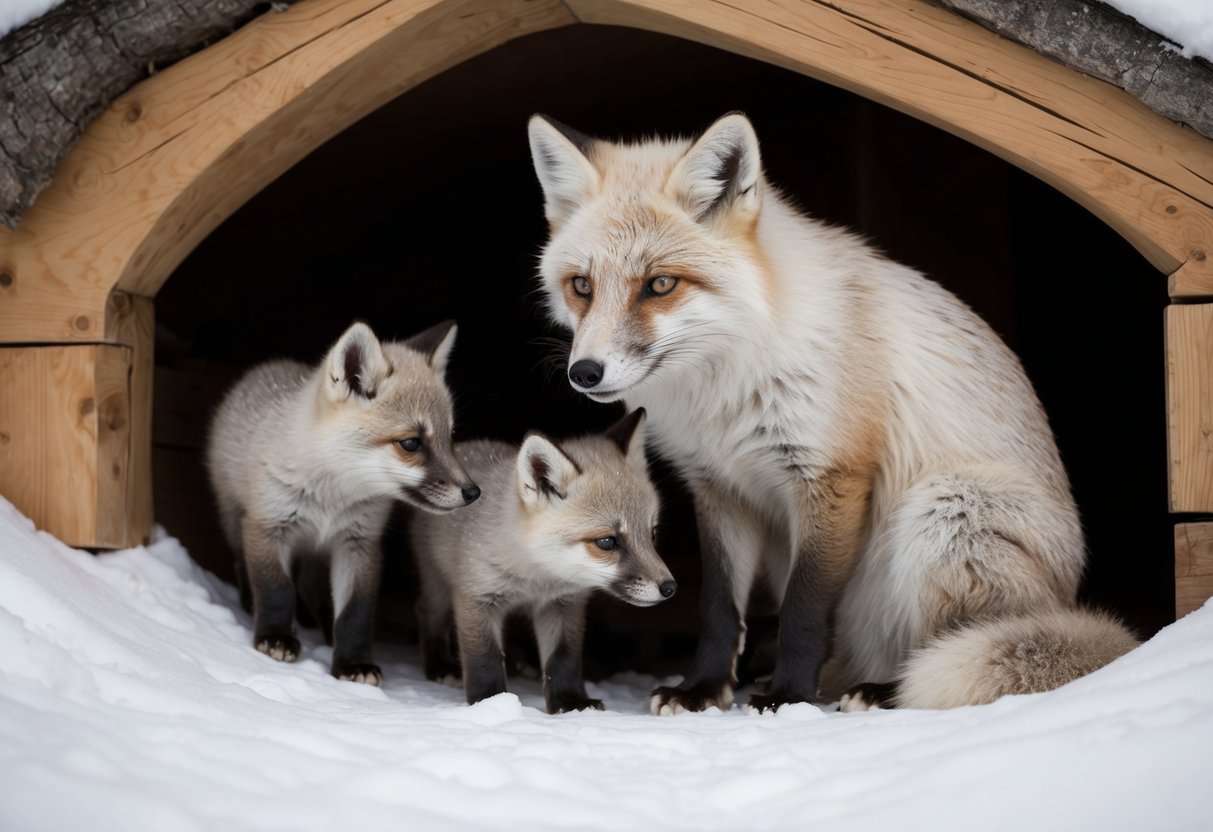
Arctic foxes have unique ways of reproducing and caring for their young. Understanding how breeding works and the details of gestation can help you appreciate these fascinating animals.
Understanding the Breeding Season
Breeding season for Arctic foxes typically occurs between February and June. During this time, male and female foxes form strong, monogamous pairs. They create lifelong bonds and work together to prepare for their pups.
If conditions are harsh, such as food shortages after a tough winter, they might delay breeding. When food is plentiful, they can produce larger litters. The breeding strategy of Arctic foxes is closely linked to environmental factors and the availability of prey.
Gestation Period and Litter Size
The gestation period for Arctic foxes lasts about 53 days, but this can vary from 49 to 57 days. After this time, the female gives birth to a litter of 3 to 8 pups, but sometimes litters can be as large as 25 kits in optimal conditions.
Both parents take part in caring for the young. The male fox hunts and brings food to the den, while the female nurtures the pups. This teamwork ensures that the kits grow strong and healthy during their early months. As they mature, the pups become adventurous and start exploring their surroundings.
The Birthing Process and Cub Development

When it comes to arctic foxes, the birthing process and early cub development are fascinating. You’ll discover how they choose dens for their young and what life is like for pups in their first days.
Arctic Fox Birthing Dens
Mother arctic foxes are very particular about where they give birth. They often select old, well-established dens that provide safety and warmth. These dens can be hundreds of years old and typically are located in areas that are sheltered from harsh weather.
The birthing usually occurs in the spring, aligning with the time when food is more abundant. After a gestation period of 51-57 days, the mother gives birth to a litter, usually consisting of around 5-10 pups. The den keeps the pups protected during their first few weeks of life, which is crucial for their survival.
First Steps in Life
Once born, arctic fox babies are completely dependent on their mother. They are blind and deaf, weighing about 100 grams at birth. For the first 2-3 weeks, their mother provides not only food but also warmth, as they rely on her body heat.
During this early stage, the male fox helps by bringing food to the den. After around 10 to 12 days, the pups begin to open their eyes and start to explore their surroundings. As they grow, they become more independent, but they will stay close to their mother until they are ready to venture out on their own.
Rearing and Parental Duties
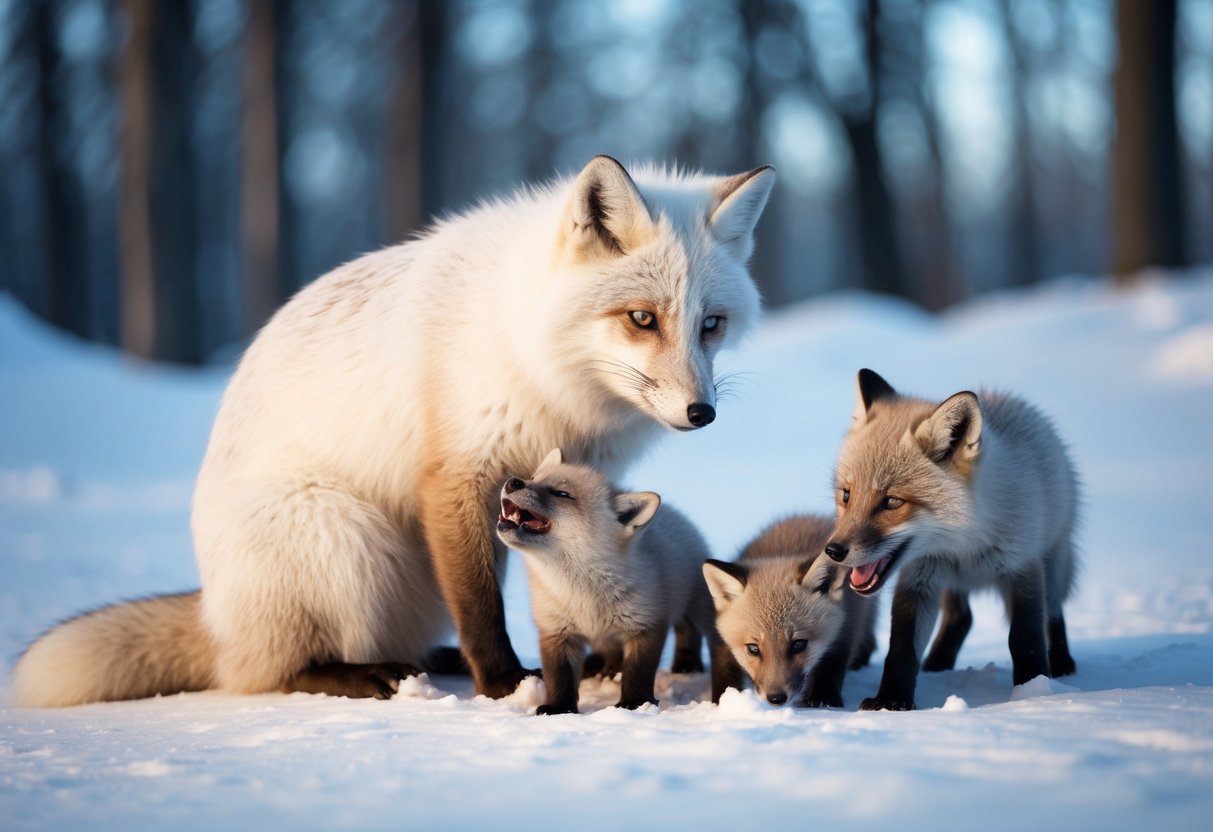
Arctic foxes exhibit strong dedication to their young through shared parenting. Both mother and father take part in nurturing their pups, ensuring their survival in a harsh environment. They implement specific strategies for care and provide suitable food for their growing litter.
Parental Care Strategies
After birth, both parents contribute to rearing their pups. The mother stays near the den to nurse and keep the pups warm. She is attentive, grooming them to promote health and comfort.
The father plays a vital role by hunting for food. He brings prey back to the den to feed the family. This teamwork helps the pups stay safe and grow strong.
The care lasts several weeks, with both parents engaging in protective behaviors. Together, they teach their pups essential skills for survival, including social interactions and exploration.
Diet and Feeding Young Arctic Foxes
The diet of young Arctic foxes mainly consists of small mammals, birds, and other prey available in their habitat. During the initial weeks, the mother nurses her pups, providing them with essential nutrients.
As they grow, the pups begin to eat solid food. The father hunts for lemmings and other small animals, which are a favorite. These nutrition-rich foods help the pups develop muscles and energy for activities.
Feeding habits are crucial for their survival. The parents ensure the pups receive a balanced diet during their early weeks, preparing them for independence as they mature. This careful feeding strategy makes a big difference in their growth and survival rates.
Survival Skills and Adaptations
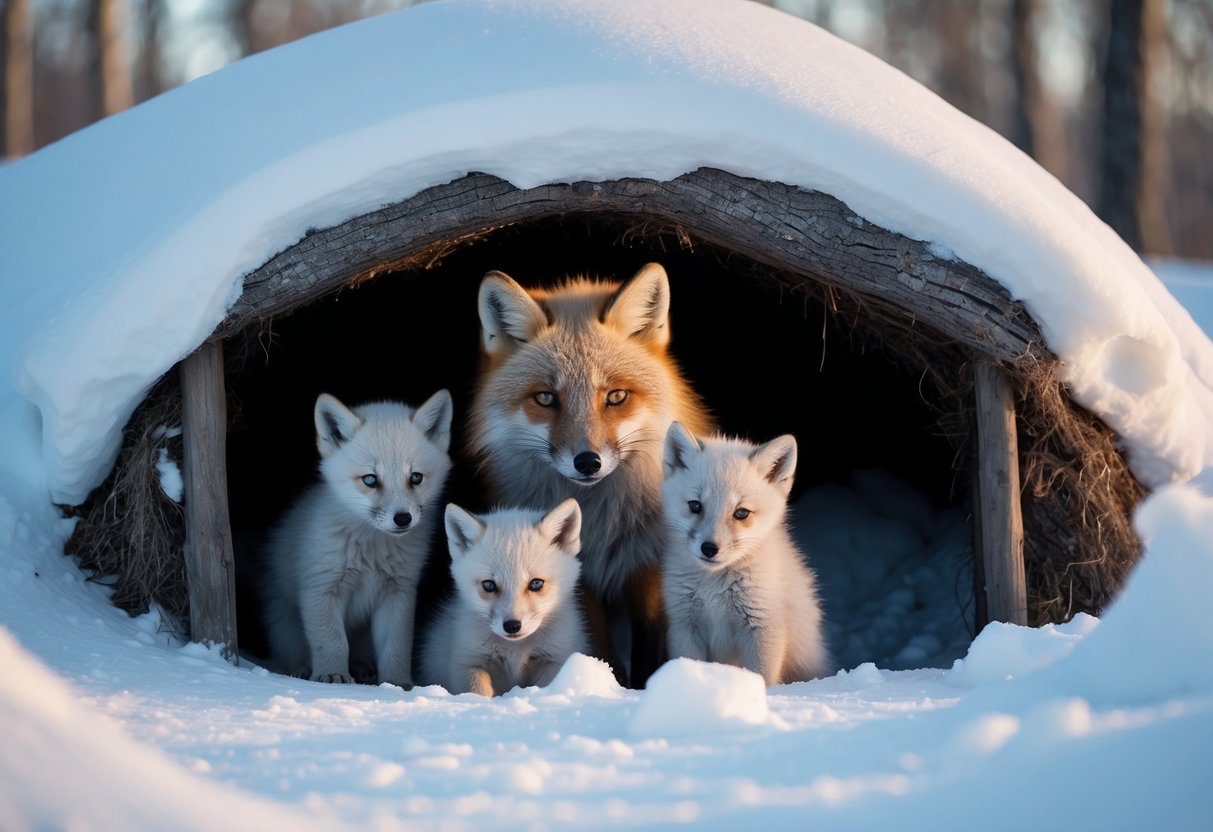
Arctic foxes have unique skills and traits that help them thrive in the harsh Arctic environment. These adaptations not only keep them safe but also ensure they can feed and care for their young.
Adapting to the Harsh Climate
Your Arctic foxes are well-equipped to handle extreme cold and unpredictable weather. They have a compact body shape and thick, insulating fur that keeps them warm. In winter, their fur changes to a beautiful white color, giving them excellent camouflage against the snow. This helps them hide from predators and stalk prey.
Their keen sense of smell is crucial in locating food under thick snow. Arctic foxes can detect the scent of small animals like lemmings from a distance. When hunting, they often listen for sounds beneath the snow, which guides them to their next meal.
Learning to Hunt and Forage
When it comes to survival, young Arctic foxes must quickly learn how to find food. This skill is vital, as food sources can be scarce in the Arctic.
They begin by watching their parents as they hunt. Over time, they learn to use their keen sense of smell and sharp eyesight to spot potential meals, such as rodents or birds. They also practice hunting techniques, such as pouncing on unsuspecting prey hidden beneath the snow.
Arctic foxes will also scavenge for leftover food from larger predators, making the most of what is available. This adaptability is key to their survival and enables them to care for their babies as they grow.


