
If you’ve noticed rats in your house, don’t wait too long to act. Rats can cause a surprising amount of damage and might even spread disease if you let them stick around.
The smartest move? Remove their food and water, seal up any holes or cracks you spot, and set traps right away. That way, you’ll get ahead of the problem before it turns into a bigger headache.
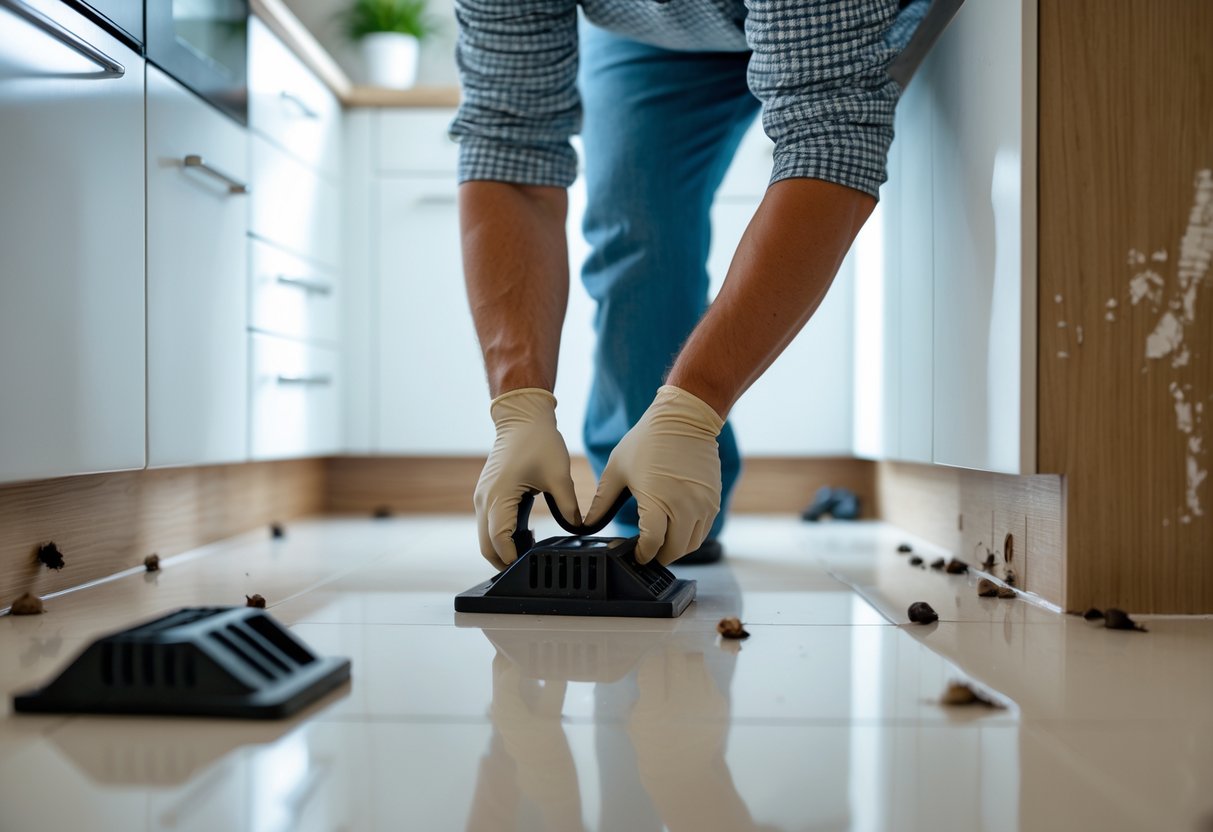
Rats are sneaky little creatures, so you might not catch them in the act. Instead, look for droppings, gnaw marks, or weird scratching noises at night.
Watching for these signs helps you spot the issue early.
Clean up and block off their entry points to make your home less tempting. If things get out of hand, don’t be shy about calling a pro—they know how to make sure rats are really gone.
For more tips on spotting and handling rats, check out this guide on 7 Signs of Rats in the House and What to Do.
Identify And Assess A Rat Infestation

Knowing what to look for makes it much easier to figure out if rats have moved in. Try to spot clear signs, figure out which rats you’re up against, and track down where they’re sneaking inside.
Common Signs Of Rats In Your Home
Check for black, pellet-shaped droppings in cabinets, behind appliances, or along walls. Fresh droppings mean rats are hanging around nearby.
You might hear scratching or scurrying in the walls or ceiling, especially after dark. That noise can point you right to their hiding spots.
Look for gnaw marks on food packages, wires, or even furniture. Rats chew constantly, so any new damage is a big clue.
A strong, musky odor often lingers where rats spend time. If you see shredded paper, twigs, or fabric, you’ve probably found a rat nest.
Recognizing Different Types Of Rats
You’ll usually see two types: the Norway rat (brown rat) and the roof rat (black or brown).
- Norway rats are bigger, have a blunt nose, and their tail is shorter than their body.
- Roof rats are smaller, more agile, have a pointed nose, and their tail is longer than their body.
Both types can cause problems and spread germs. Roof rats love attics and high places, while Norway rats stick closer to basements and ground level.
If you know which type you’re dealing with, you can put traps and bait in the right spots.
How To Inspect For Entry Points
Start by searching for gaps or cracks around your house, especially near doors, windows, vents, and pipes.
Rats can squeeze through holes just half an inch wide. They slip in under loose doors or through torn screens.
Check heating ducts and your foundation for any holes. These spots are classic entryways for rats.
Use a flashlight to peek into dark corners. If you’re not sure where they travel, sprinkle baby powder on the floor and look for tiny footprints.
Once you’ve gotten rid of the rats, seal up those openings so new ones can’t get in.
For more info on spotting signs and blocking entry points, check out this guide on signs of rats in your home.
Effective Rat Removal And Control Methods

To kick rats out for good, focus on cutting off their food and shelter, picking the right traps, using bait with care, and knowing when to call in the experts. Each step chips away at the rat problem and helps keep your home safe.
Sanitation And Reducing Attractants
First off, get rid of anything that draws rats in. Store all food in airtight containers and wipe up crumbs or spills right away.
Don’t leave dirty dishes in the sink overnight. Take out the trash often and use bins with tight lids.
Clear out clutter, including piles of wood, boxes, or leaves—rats love hiding in those. Keep the lawn mowed and trim bushes close to your house.
Check pet food too. Store it where rats can’t reach, and don’t leave pet bowls outside overnight.
When you remove food sources, it makes your home less appealing and helps traps work better.
Choosing The Right Rat Traps
Choosing the right trap matters. Snap traps work fast and are pretty easy to set up.
Put them along walls, behind appliances, or wherever you spot droppings or rat trails. Space traps about 15-20 feet apart for best results.
Live traps let you catch and release rats, but you’ll need to release them far from your home. Glue traps aren’t great—they’re messy and can be cruel.
Use strong-smelling bait like peanut butter, bacon, or bits of hot dog. If rats keep stealing the bait, tie it on with dental floss.
Check traps every day and get rid of any caught rats quickly.
How To Use Rat Bait And Poison Safely
Rat poison can work, but it’s really a last resort. Always read and follow the label instructions closely.
Keep poison far from kids and pets—safety first. Place bait stations on rat runways, but not where people or pets will mess with them.
If you can, use tamper-resistant bait boxes. Skip loose poison pellets—they can spread and hurt wildlife.
Instead, go for bait blocks or gels that are safer and more effective. Remember, poison might take a few days to work, and dead rats can stink if they die inside your walls or somewhere hard to reach.
When To Call Professional Pest Control
If you’re struggling to get rid of rats with traps or better cleaning, it might be time to call in the pros.
These folks know what they’re doing and bring tools most of us don’t have.
They’ll spot and seal up entry points you probably wouldn’t notice. Plus, pest control services use specific traps, baits, and exclusion methods that actually fit your home.
Getting help sooner rather than later can save your wiring, insulation, and even your walls from serious damage.
They’ll usually share tips on keeping rats away for good.
Living in a big city or just not seeing results after weeks of trying? At that point, reaching out to a pest control company makes sense if you want to protect your home fast and safely.


