
You’ll spot deer most often during the low light of dawn and dusk when they move to feed and travel. If you want a clear answer: deer are most active around sunrise and sunset, but weather, season, and food sources can shift the exact timing.
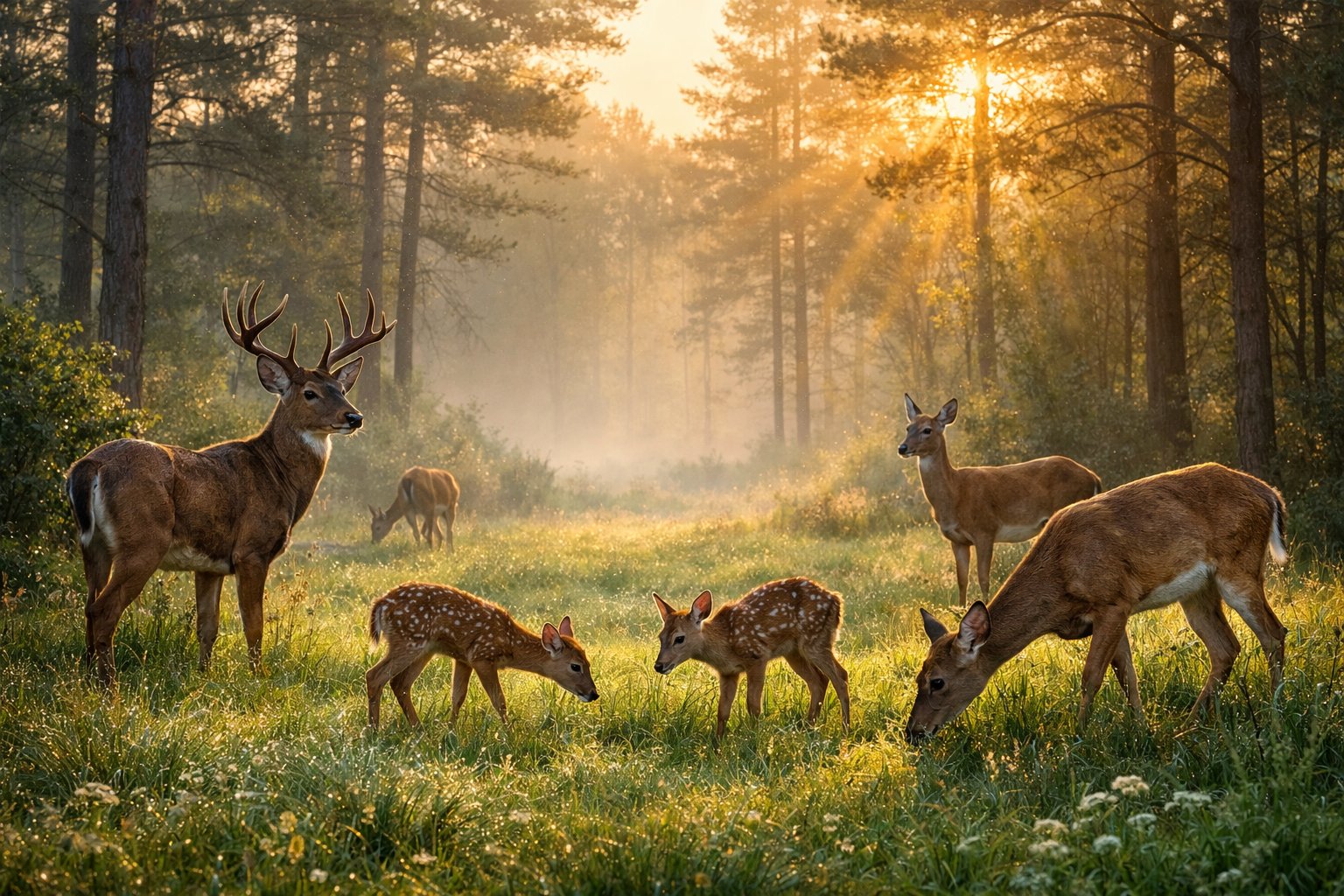
If you pay attention to those twilight hours, you’ll start to notice how weather, the rut, and nearby food change deer patterns. Let’s dig into what deer do at dawn and dusk and what really makes them move earlier, later, or just more on your land.
Deer Activity at Dawn and Dusk

Deer move and feed most when the light is low. You’ll often see quick morning feeding after they get up from bedding, and longer evening foraging near the edges of fields and cover.
Why Deer Are Most Active During Twilight Hours
Deer are crepuscular, which means they move most at dawn and dusk when the light is dim. Low light gives them just enough sight to feed, but it keeps them less visible to predators and people.
This is handy if you’re planning to watch or hunt—timing really matters. Temperature also plays a role.
Cool air at twilight makes feeding easier after a hot day or a chilly night. Wind and scent come into play too; deer use early morning and late evening breezes to catch smells and mask their own.
Human activity often pushes deer into those low-light hours. Roads, farms, and hunters make them shift their movement toward dawn and dusk.
Habitat edges—where woods meet fields—become prime spots since they give cover and easy access to food.
Morning Behaviors and Movement Patterns
At dawn, deer usually leave dense bedding areas and head for feeding spots. Their movement is short and purposeful—just traveling from bedding to food or water, usually within a few hundred yards.
Bucks tend to move more slowly as they check their territory. Fawns stay close to does and act pretty cautious.
Does focus on finding safe browse—young shoots, leaves, or crops—before the sun gets too high. If the moon was bright at night, you might see less movement because deer already fed in the dark.
Look along woodland edges and spots where cover changes in the hour before and after sunrise. Deer use these routes to move fast and stay close to escape cover.
Evening Feeding and Social Activity
Dusk brings longer feeding sessions. You’ll notice deer spreading out across fields and edges, grazing and browsing for anywhere from half an hour to over an hour.
Bucks get more social at this time, especially during the rut when they chase does and spar with each other. Deer often feed in open areas as it gets dark, then slip back to thick cover once night falls.
They don’t all move at once—usually a few does go first, then more follow, always watching for danger. Wind direction matters; they pick feeding spots that keep their scent downwind of cover and trails.
If you want the best chance to spot deer, try sitting near a woodland edge or a trail between bedding and feeding areas. Stay still and keep quiet; deer catch even small changes, especially in low light.
Factors Influencing Peak Deer Activity Times

Deer change up their activity for reasons you can actually track: breeding, weather, moonlight, and how much hunting is happening nearby. These factors shift when deer feed, move along the edge, or just hide out in thick cover.
Seasonal Variations and the Rut
In fall, the rut makes bucks move a lot more and at odd times. You’ll see them chasing does, sparring, and scraping more from October to December in most places.
That means more daytime movement and better chances to spot deer near field edges and travel corridors. Spring brings fawning season, so does focus on bedding fawns and feed extra carefully at dawn and dusk.
Summer gives deer long days and plenty to eat, so they often rest through midday in the shade. Winter is shorter and food gets scarce, so deer feed in more concentrated bursts and move less to save energy.
It really helps to know when the rut peaks in your area. Check your state’s wildlife calendar or local reports to plan outings when deer are most active.
Weather Conditions and Environmental Factors
Temperature, wind, and rainfall all change how deer behave, and you can often predict it. Cool, calm mornings after a warm night usually trigger a lot of movement as deer feed and move to daytime beds.
Hot, still afternoons make them bed down in thick cover and move less. Storm fronts and changes in pressure can get deer moving just before or right after the weather hits.
Heavy snow slows them down but also keeps them close to food. Wind direction is huge—deer avoid moving when the wind blows human scent toward their bedding areas, so you’ll see more activity when the wind shifts away from them.
Habitat matters too. Deer love edges where forest meets field since they offer cover and easy food.
If there are crops or a good acorn drop nearby, expect longer feeding times and more movement.
Moon Phase and Hunting Pressure
Moonlight really does change when deer feel safe enough to move. On those bright, full-moon nights, you might catch more deer moving after dark, but honestly, patterns can shift a lot depending on where you are.
In some areas, deer stick to darker nights to dodge predators and people. Other times, they’ll use the extra light to stretch out their feeding.
Hunting pressure shakes up deer routines even more. When hunters flood the woods, deer quickly switch to moving at night just to avoid you.
Daytime sightings drop off fast, and deer start hiding in thick brush or slipping onto private land. If you’re out on public land after a busy hunting weekend, don’t expect much action during the day—it stays quiet for a while.
Try matching up moon phase info with local hunting schedules. That way, you can pick better stand locations, plan your scouting trips, and up your odds of spotting deer without blowing your cover.


