
You’ll usually catch deer moving around dawn and dusk, especially in those hours just before sunrise and right after sunset. If you know these crepuscular hours, you can time your wildlife watching, avoid car-deer collisions, or plan a hunt with way more success.
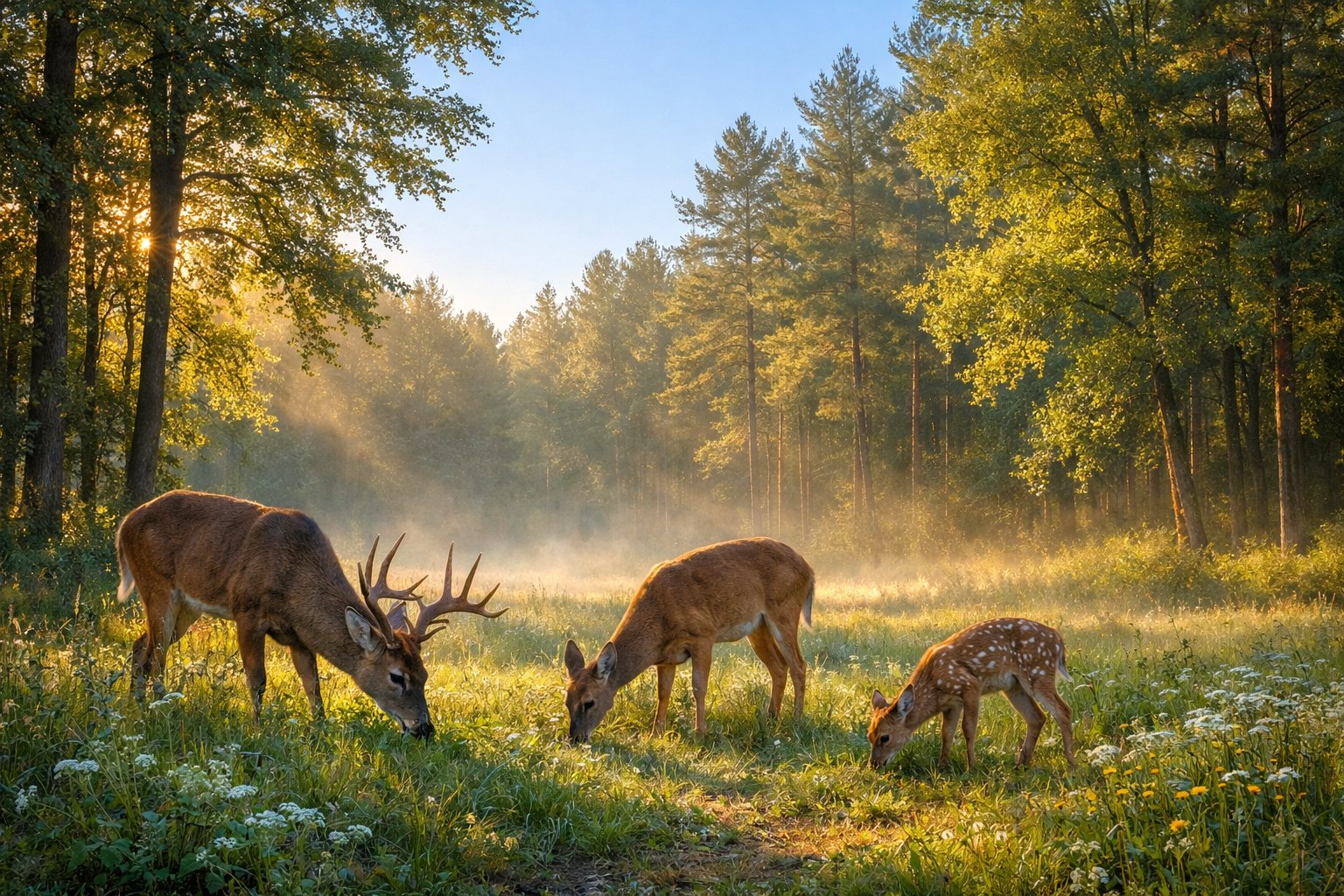
This article digs into when deer get most active, why their schedule shifts with weather, season, or habitat, and how people affect their routines. Stick around for some simple signs and tips to help you spot deer or stay safer on the road.
When Are Deer Most Active?

Deer move most when the light’s low and food is close. Their patterns really show up at dawn, dusk, and in how they split up sleeping and feeding through the day.
Dawn and Dusk: The Prime Times for Deer Movement
You’ll spot deer an hour or two before sunrise and again in the hour or two before sunset. These twilight hours give deer enough light to see but keep them hidden from predators and people.
If you’re looking to spot deer or avoid them on the road, pay attention to roads and fields around these times. Deer usually travel from their beds to feeding spots, so the edges of woods and crop fields are pretty common routes.
Weather and season shake things up a bit. Hot weather pushes deer to move more at night when it’s cooler. During the rut, bucks get bolder and show up during daylight, so you might see them at odd times.
Crepuscular Behavior and Deer Activity Patterns
Deer are crepuscular, so they like dawn and dusk for moving and feeding. This pattern helps them stay safe and save energy.
You’ll notice steady movement in low light, then long rests in thick cover during midday. Moon phases and hunting can nudge deer to be more nocturnal. A bright full moon ramps up nighttime activity, and heavy hunting makes deer move at weird hours to dodge people.
Food matters too. If a new food source pops up nearby, deer might risk daylight to grab it. Still, dawn and dusk remain their go-to times.
Typical Daily Deer Behavior and Routines
A usual deer day looks like this: bed down in thick cover during daylight, feed at first light, rest again at midday, then feed at dusk. Bedding spots stay close to feeding areas.
Does with fawns act more cautious and travel less during the day. Bucks get restless during the rut and move more in daylight.
If you’re tracking deer, map out bedding areas, travel paths, and feeding spots. That’ll help you figure out when and where deer will show up, especially around dawn and dusk.
Factors Influencing Deer Movement

Seasons, weather, hunting pressure, and habitat all shape when and where deer move. These things change daily and seasonally, so even small shifts in temperature, food, or human activity can throw off deer behavior pretty quickly.
Seasonal Variations and the Rut
Season really changes deer habits. In spring and summer, deer focus on eating to build up strength. Fawns arrive in late spring or early summer, so does travel less to keep their young safe.
Dawn and dusk stay as peak times, but you might catch more midday movement in thick cover. Fall brings the rut, and bucks start moving a lot more during the day. During the rut, bucks wander farther looking for does, even crossing open ground and travel corridors.
Trail cameras will catch more daytime photos during rut weeks. Winter slows everything down as deer save energy. Short days and less food keep deer near shelter and steady browse. On warmer winter days, you might see more midday feeding.
Weather Conditions and Environmental Impact
Weather changes deer movement fast. Cold fronts usually spark more activity as deer feed before bad weather hits.
Warm, calm nights and clear skies—especially with a full moon—make deer more active at night, so you might have better luck spotting them after dark instead of at dawn. Heavy rain, strong wind, or deep snow keep deer hunkered down to save energy.
Hot, muggy days push deer into the shade, and they’ll only move in low light. Local forecasts matter when you’re planning to watch or hunt deer.
Temperature, wind, and precipitation also affect how scent and sound travel. Windy days make deer extra cautious. Try to stay downwind of travel routes if you want to avoid getting busted.
The Role of Hunting Pressure and Human Activity
Hunting pressure changes deer routines fast. In high-pressure areas, deer switch to moving at night to avoid people.
During gun season, deer crowd into safe spots near farms, thick woods, or public land where people can’t get to them easily. Your presence makes a difference. Hikers, dogs, cars, or loud noises can push deer away from trails and crossings.
On the flip side, quiet places with little human activity might turn into daytime feeding grounds. If you use trail cameras, compare photos from before and during hunting season to see how movement times change.
Human structures and roads also change how deer move. They’ll sneak along green strips by fences or hedgerows to get between their core areas and avoid open fields when it’s busy out.
Habitat, Food Availability, and Core Areas
Habitat shapes where deer feel safe and where they choose to eat.
Core areas blend bedding, food, and escape cover into a small zone. You’ll usually spot these spots near ridges, thick brush, or maybe close to a water source.
Deer tend to come back to these places every day. They’ll only leave if food runs out or something disturbs them.
Food availability really changes how far deer travel.
When mast crops or farm fields are loaded with food, deer start to roam more. Sometimes you’ll even catch them in open areas if there aren’t many people around.
But in tough winters, deer stick to browsing near conifers or cedar swamps. They barely travel then, just trying to save energy.
If you want to map out where deer travel, look for edge habitat, fence lines, or pinch points between fields and woods.
Those places work great for trail cameras or just watching deer. Hunters, too, can take advantage, since deer use these funnels to move between feeding spots and their bedding areas.


