
You’ll usually spot deer in the UK around dawn and dusk, since that’s when they move from bedding to feeding spots. Deer get the most active in the low light of early morning and late evening, but things like season, weather, and human activity can nudge those hours around.
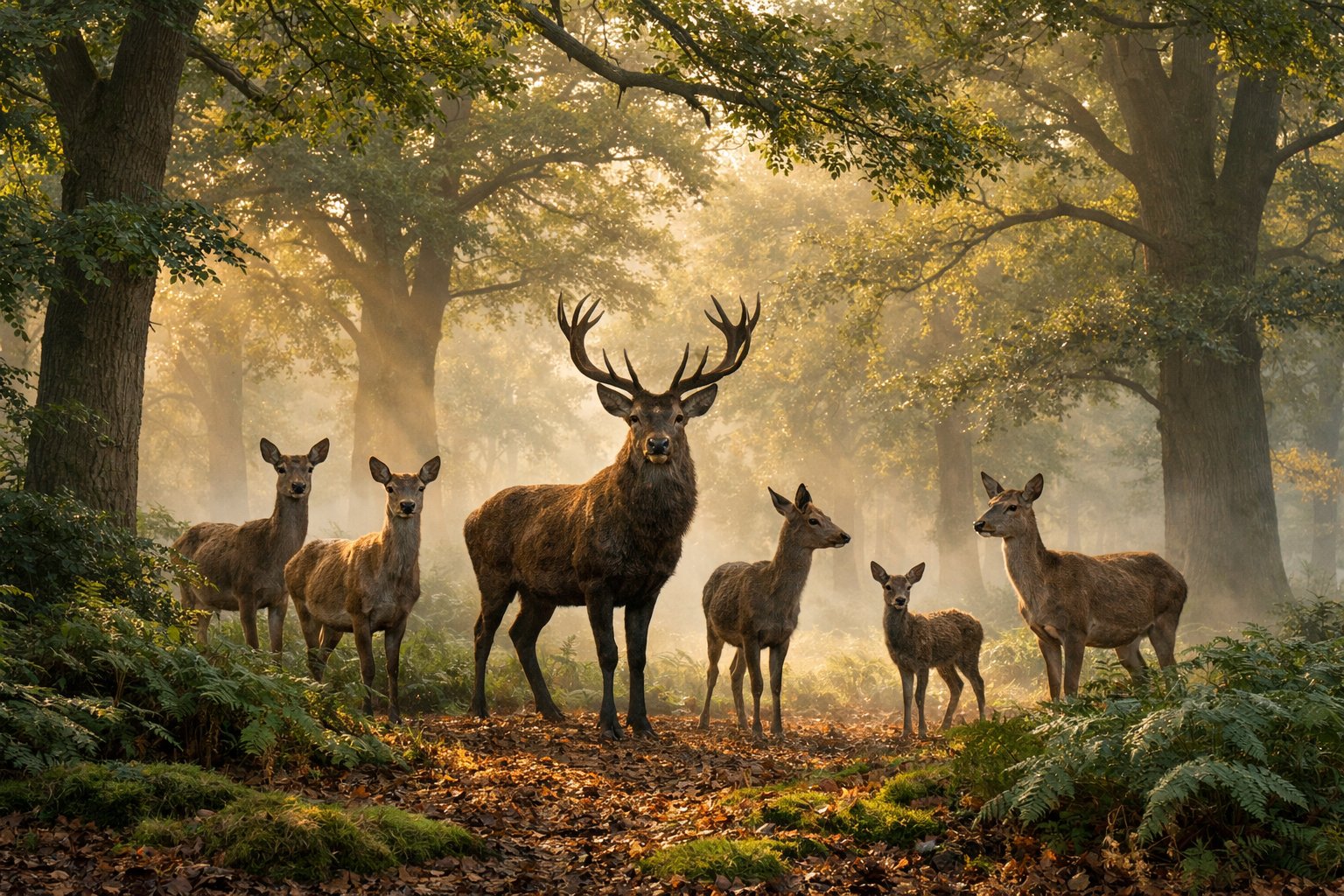
If you want a better shot at seeing deer, try heading out at twilight. It helps to know how different seasons mess with their routines, too.
Let’s look at when you’re likely to see them, how the rut and fawning change their patterns, and what weather or people do to deer movement so you can time your outings better.
Typical Times and Patterns of Deer Activity in the UK
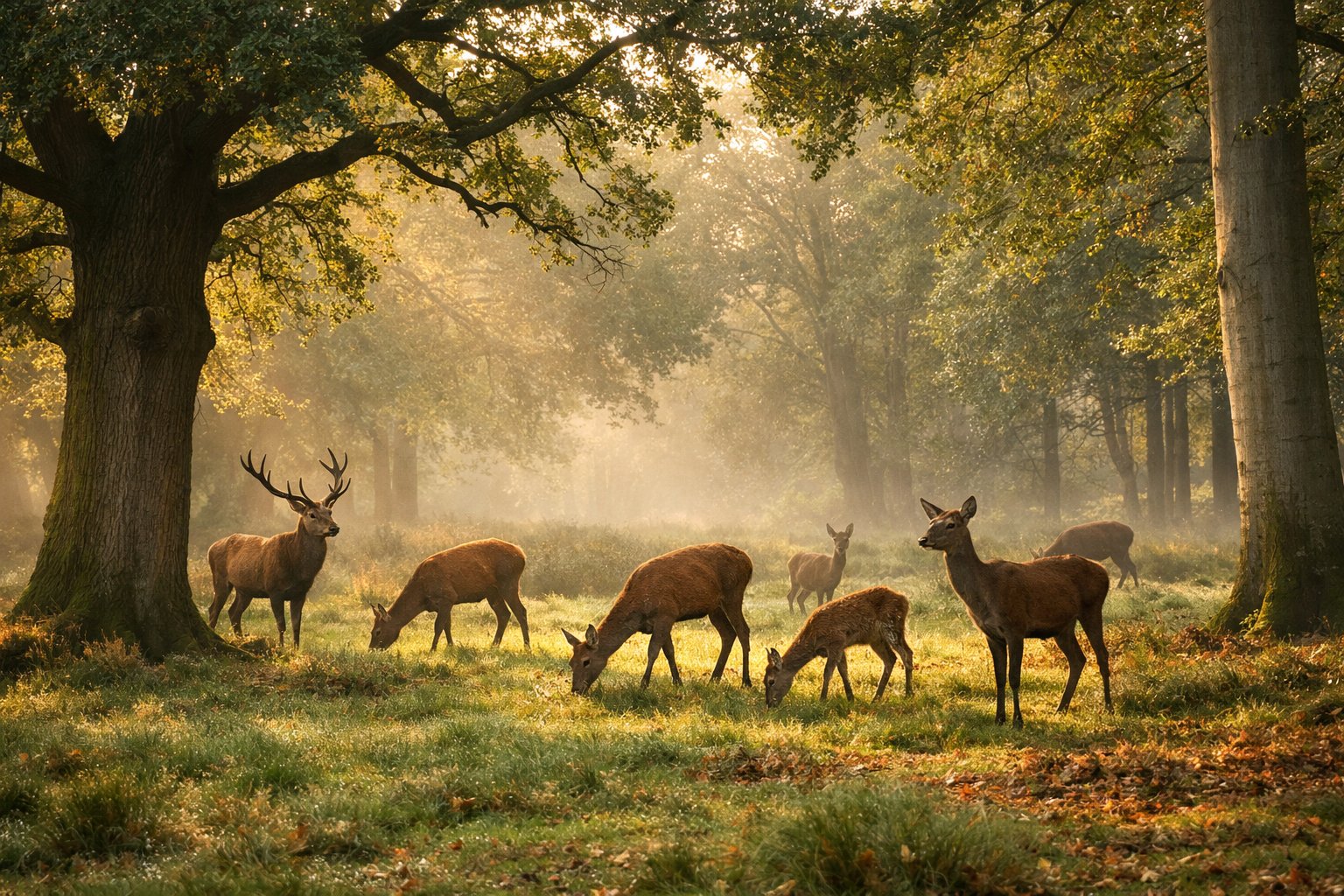
Deer in the UK mostly follow a daily cycle you can count on. You’ll find them near field edges, woodland rides, and hedgerows as they leave safe bedding to feed or cross roads at dawn, dusk, or even during the night.
When Deer Are Most Active: Dawn, Dusk, and Night
Dawn and dusk really are the best times to catch deer moving. You’ll likely see roe, muntjac, and fallow deer slipping along field margins and into open pasture about half an hour before sunrise and for an hour after sunset.
These twilight hours give them just enough light and cover to travel, feed, and check scent marks without feeling too exposed.
At night, deer often wander into open fields, especially if humans have bothered them during the day. That’s why you’ll see more deer-vehicle collisions on rural roads after dark.
If you’re driving early or late, slow down near woods and use high beams when you can—you might catch their eyeshine.
Crepuscular Behavior Explained
Deer are crepuscular, meaning they’re most active at low light. They evolved this way to balance feeding and staying safe from predators.
You’ll see them making short, hesitant moves in bright daylight, but at dusk they get bolder and travel farther.
Weather, moonlight, and human disturbance can shake up this pattern. On bright full-moon nights or during the rut, deer might shift to being more nocturnal or even more active in the day.
Food plays a part, too. If there’s a bumper crop nearby, deer might come out earlier or hang around longer into the night.
Movement Between Bedding and Feeding Areas
Deer pick separate spots for bedding and feeding. They bed down in dense cover—think thick hedgerows, bramble patches, or young plantations—where they feel hidden and safe.
For feeding, they head to open fields, gardens, or field margins to browse grass, shoots, and crops.
You can often guess their travel routes by watching fence lines, game tracks, and narrow corridors through hedges. These paths focus deer movement and bump up collision risk where they cross roads.
If you manage land, cutting back vegetation or putting up signs near known crossing points can help keep both deer and drivers safer.
Seasonal, Environmental, and Human Influences on Deer Activity
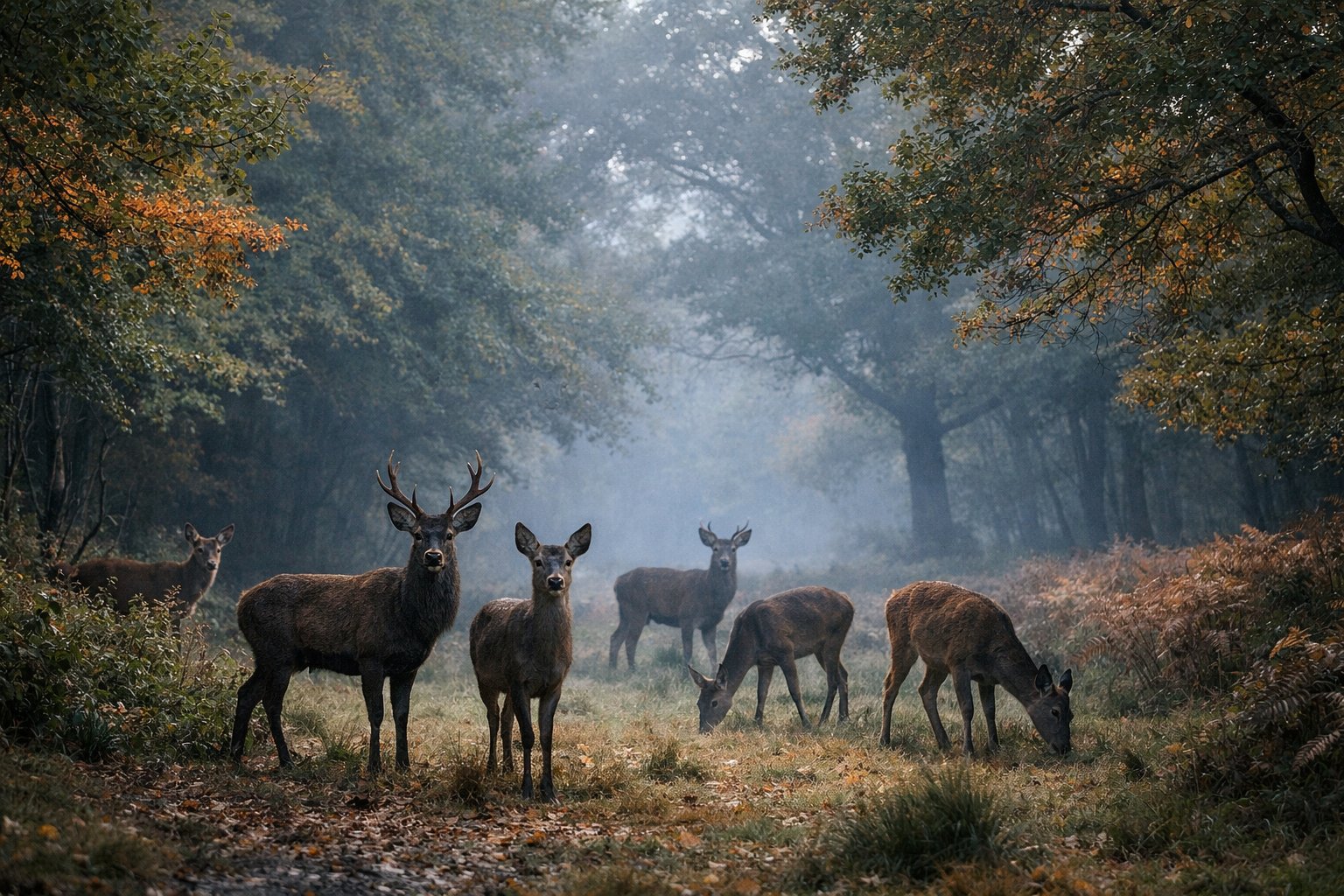
Deer routines change with the seasons, the weather, where people hang out, and how much food is around. These things decide when you’re most likely to see red deer, sika, or hybrids in fields, woods, or by roads.
Seasonal Variation and Deer Behavior Shifts
Deer show clear seasonal changes. In spring, you’ll notice more feeding as they try to recover from winter.
Fawns start showing up from late May through July, so does stick close to cover and food.
During summer, deer tend to bed down in the shade for longer stretches and feed more at night, especially when it’s hot. Red deer and sika often head to higher ground or thicker cover by day.
In autumn, movement picks up as plants change and the rut kicks off for red deer and some sika. Males roam more and get bolder during daylight.
Winter makes plant food scarce, so deer will range farther in the day if snow or cold makes night feeding tough. You might spot herds using favorite feeding spots or roadside margins where grit and greenery peek through.
Impact of Weather Conditions and Moon Phases
Weather plays a big role in when deer move. Heavy rain, strong winds, or deep snow push them into thick cover and cut down on their usual dawn and dusk routines.
Mild, calm nights invite more nocturnal feeding.
Temperature swings can set off short bursts of movement. A sudden warm spell in late winter often brings deer out to graze in daylight.
Moonlight matters, too. Brighter nights usually mean more night activity, so you might see fewer deer at dawn and dusk around the full moon.
Local microclimates make a difference. Shelter belts, rivers, and south-facing slopes warm up earlier in spring and draw deer in to forage. Checking weather and moon phase tables can make your outings more successful.
Effects of Human Activity and Food Availability
Human activity changes how deer behave. If there’s a lot of disturbance—busy roads, dog walkers, or regular game drives—deer become more active at night.
In hunted spots or places with frequent shooting, deer act more skittish and stick to the dark hours.
Food availability really drives deer movement. Fields, gardens, and leftover mast like acorns draw deer into farmland and even the edges of towns.
Where food is steady, deer might stay closer to cover during the day. In towns, you’ll sometimes find sika and hybrids using parks and green spaces at night.
If you feed deer (and that’s not always legal), they quickly learn your schedule and can change their natural habits. It’s best to follow local rules and avoid concentrating deer in one spot, since that can raise the risk of disease or road accidents.
Breeding, Rutting, and Fawning Seasons
Rutting season really shakes up deer movement. In the UK, red deer usually hit their rut peak somewhere between September and November, though it depends on where you are.
Males get restless, wandering far and wide, making loud calls, and sometimes fighting. You’ll probably spot more deer moving around in daylight, and groups seem a bit on edge.
Sika deer sometimes rut at the same time, but honestly, it depends on the region. Hybrids? They don’t really stick to a pattern at all.
When rutting’s in full swing, bucks might cross roads or wander between patches of does, which definitely bumps up the risk of collisions.
Fawning happens from late spring into the middle of summer. During this time, does head for thick cover and pretty much stop traveling long distances, all to keep their fawns safe.
If you’re out and about, you’ll probably notice deer acting extra cautious, sticking to shady spots near hedgerows or young forestry, and gathering in small groups.


