
Choosing the right dog for your lifestyle is important, especially if you need to leave your furry friend alone during the day. Breeds like the Basenji, Basset Hound, and Shiba Inu are known for their independence and can manage being alone without significant stress. These dogs are typically more self-sufficient and can handle the quiet time while you are away.
If you worry about your dog’s happiness while you are gone, consider breeds that have a reputation for being calm and relaxed. Many independent dogs are less prone to separation anxiety, which can lead to destructive behaviors.
Understanding which breeds are best equipped for solitude will help you feel more at ease when you leave the house.
As you read on, you’ll discover specific breeds that fit well into your day-to-day routine and learn tips to make their alone time more enjoyable. Finding a dog that matches your needs can lead to a happy home for both of you.
Understanding Canine Independence

Canine independence varies among dog breeds. While some dogs thrive on alone time, others experience distress when separated from their owners. Knowing the traits of independent dog breeds and understanding separation anxiety can help you choose the best companion for your lifestyle.
Traits of Independent Dog Breeds
Independent dog breeds generally have a strong sense of self. These dogs often enjoy being alone, making them suitable for owners with busy schedules.
Key Traits:
- Low Dependence on Human Interaction: Independent dogs can occupy themselves. They don’t crave constant attention like more dependent breeds.
- Problem Solving Skills: Many independent breeds are intelligent. They can figure things out on their own, which helps prevent boredom.
- Reserved Temperament: These dogs might not seek out companionship as much. They’re comfortable being by themselves for longer periods.
Common independent breeds include the Akita and Basenji. Knowing their traits helps you decide if they’re right for your home.
Separation Anxiety in Dogs
Separation anxiety is a common issue among dogs. It occurs when dogs become stressed or anxious when left alone. This problem can lead to destructive behaviors, excessive barking, and even accidents inside the house.
Signs of Separation Anxiety:
- Excessive Barking: Your dog may bark or whine when you leave.
- Destructive Behavior: Some dogs chew furniture or dig in the yard.
- Pacing or Restlessness: Signs of anxiety may include walking in circles or not settling down.
To reduce separation anxiety, you can gradually increase alone time. Providing toys or interactive games can help keep them entertained. Learning more about different breeds can also aid in finding a suitable pet that fits your situation.
Best Dog Breeds for Solitary Days
If you need a dog that can handle being alone during the day, certain breeds are well-suited for the task. These dogs are generally independent, calm, and adaptable to longer periods without human interaction. Let’s explore some great options for your next furry friend.
Greyhound: A Companionable Couch Potato
Greyhounds might look like sprinters, but they are surprisingly laid-back. They enjoy lounging around for much of the day. This breed is low-energy and requires only a couple of short walks daily.
Greyhounds are known for being gentle and affectionate. They tend to be quite content when left alone, making them a great choice for your situation. Their calm demeanor helps them relax while you are away.
In addition, greyhounds usually do not suffer from separation anxiety, which is a bonus for busy pet owners. With plenty of cozy spaces to rest, your greyhound will be happy waiting for your return.
Bullmastiff: Gentle Giant with a Calm Demeanor
The Bullmastiff is a large, powerful breed that is surprisingly gentle. They are known for their calm and easy-going nature. This breed can be quite independent and prefers to relax, often snoozing when you’re not home.
Although Bullmastiffs enjoy time with their families, they don’t require constant attention. A short walk and some playtime in the yard will satisfy their needs. They are content to stick around the house, watching over things.
Their protective instincts make them excellent watchdogs. Even when you leave them alone, they’ll keep an eye on your home while you are at work or running errands.
Chow Chow: The Independent Watchdogs
Chow Chows are distinct with their lion-like mane and blue-black tongues. They are known for being independent and not overly needy. This breed can handle being alone better than many others.
Chow Chows are loyal and protective. They may not be very playful with strangers, but they create strong bonds with their owners. Their calm nature allows them to keep quiet while you are gone.
While they need some exercise, they are generally satisfied with a good stroll. They thrive when given space to relax and watch over their surroundings. You’ll appreciate their unique personality and independence.
Basenji: The Barkless, Self-Entertained Pup
Basenjis are unique dog breeds known for being quiet. They are often called “barkless” because they don’t bark like other dogs. Instead, they make a yodel-like sound that’s quite charming.
This breed is very independent and can entertain themselves with toys. Basenjis are smart and curious, which helps them explore their surroundings. They are great at keeping themselves occupied while you’re away.
Short bursts of exercise keep a Basenji happy. They don’t require long walks or constant playtime. Their self-sufficient nature makes them a solid choice for busy owners or those who work during the day.
Basset Hound: The Low-Energy, Loyal Friend
Basset Hounds are friendly and gentle giants. They are known for their calm and loyal disposition, making them excellent companions. This breed is low-energy, so they’re perfectly happy lounging around.
Basset Hounds enjoy a peaceful environment and do well alone. They can take naps or chew on toys while you’re out. Their loyal nature means they will be affectionate and excited to see you when you return.
A couple of short walks a day is usually enough to satisfy their needs. Basset Hounds are friendly with children and other pets too. Their relaxed approach makes them a great fit for your home.
Creating a Comfortable Environment for Alone Time
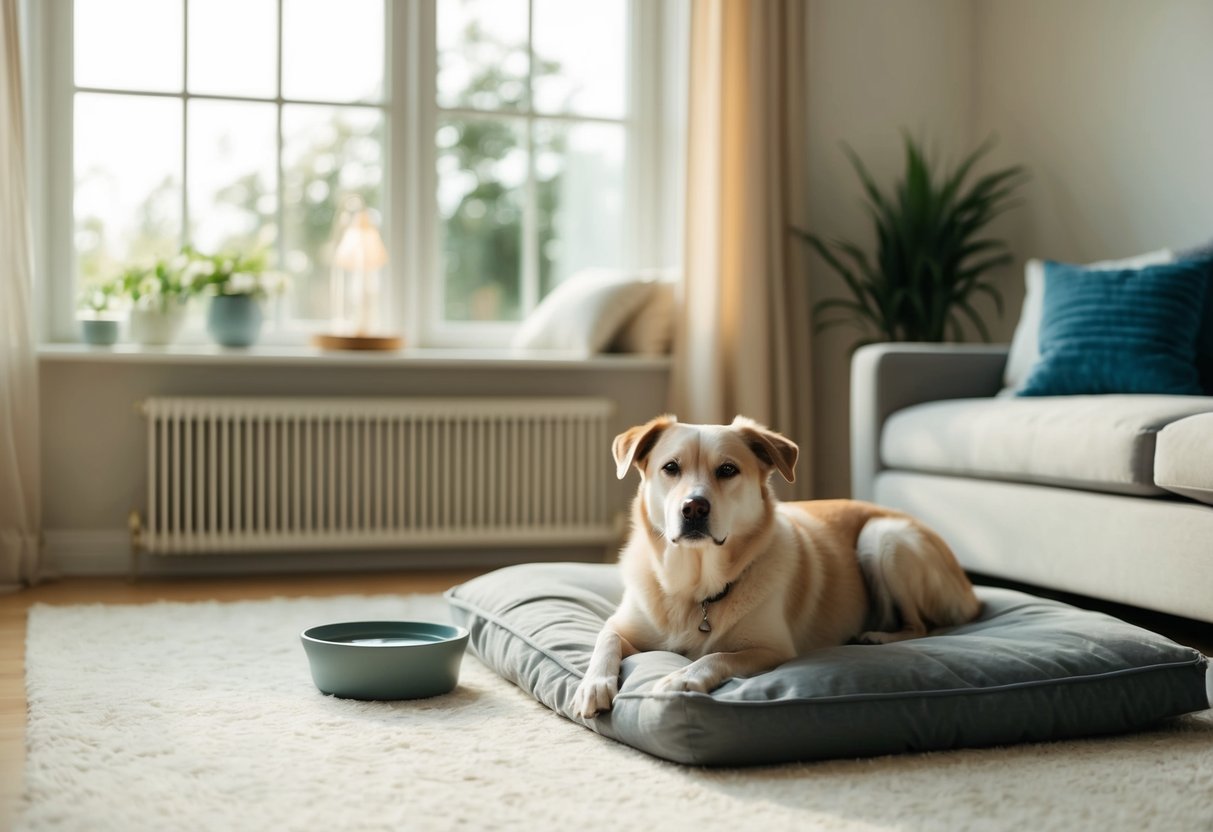
Creating a cozy and engaging space for your dog while you are away can make a big difference in their happiness. With the right setup, you can help your furry friend feel secure and entertained until you return.
Interactive Toys: Keeping Your Dog Busy
Interactive toys are a great way to keep your dog engaged while you’re gone. These toys can challenge your dog’s mind and help reduce boredom.
Look for options that dispense treats or require some effort to get to a reward. Some popular types include puzzle toys or treat-dispensing balls.
You can also try tug toys or toys that squeak to keep your dog entertained. Choose toys that match your dog’s personality. For example, some breeds, like Border Collies, thrive on more challenging toys, while others may prefer simpler options. Remember to rotate toys regularly to keep things fresh and exciting!
The Importance of Exercise Before Leaving
Before you leave your dog alone, make sure to provide them with enough exercise. A good walk or play session can help burn off excess energy, making it easier for them to relax.
Different dog breeds have varying exercise needs. High-energy breeds like Labradors or Australian Shepherds may require more time outdoors. Meanwhile, smaller or older dogs might be just fine with a shorter session.
Keeping your dog active helps them feel calmer and happier while you are away. Make sure they have a nice space to rest in, and they’ll likely nap until you return!
Managing Your Dog’s Alone Time with a Full-Time Job
Balancing a full-time job with caring for your dog can be challenging. You want to ensure your pet feels happy and safe while you are away. Here are some effective strategies to manage your dog’s alone time.
Balancing Work and Dog Care
When you work a full-time job, your dog can feel lonely. It’s important to plan your dog’s day carefully.
Consider services like doggy daycare or a dog walker to break up their alone time. These options allow your dog to socialize and play, reducing boredom.
You can also arrange a schedule to include a walk before work and interactive toys for when you’re gone. It’s helpful to create a routine so your dog knows when to expect you home.
Apartment Living with Dogs
Living in an apartment comes with its own set of challenges for dog owners. Make sure your space is dog-friendly. Create a cozy area with their bed and toys. This will help your dog feel secure while you’re at work.
You should also factor in exercise. Short walks during lunch or playtime in a dog park can keep your dog active. Consider using a balcony or designated area for bathroom breaks if needed.
In an apartment, keeping a consistent feeding and play schedule matters. This predictability helps your dog adjust better to your work hours and reduces anxiety.


