
If your dog doesn’t get the zoomies, you might wonder if something is wrong. Don’t worry, though. It’s not necessarily bad if your dog skips the zoomies; every dog is unique and has their own way of expressing energy and excitement. Some dogs may have lower energy levels or show their playful side in different ways.
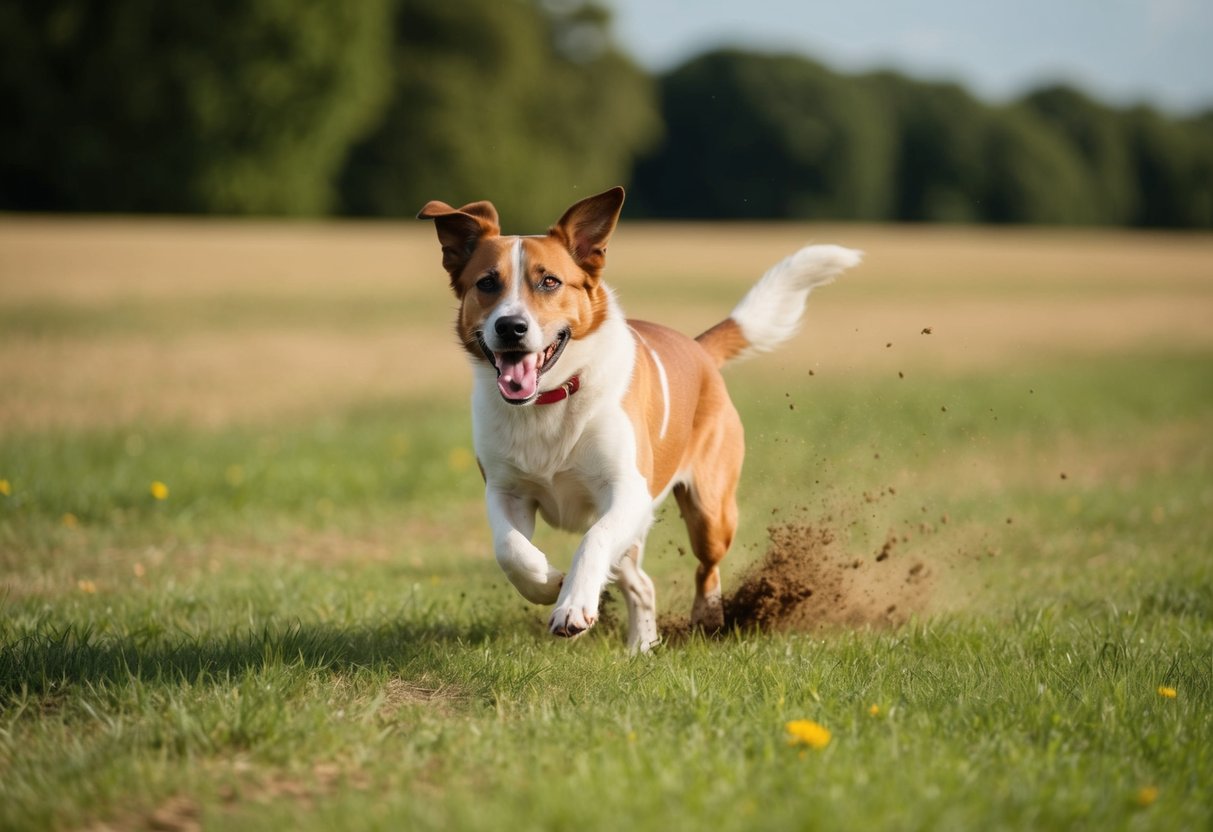
Zoomies are often linked to bursts of joy or excitement, especially after playtime or walks. If your pup doesn’t exhibit this behavior, it doesn’t mean they’re unhappy or unhealthy. Instead, there could be other factors at play that influence their energy levels.
Some dogs may have lower energy levels or show their playful side in different ways.
Zoomies are often linked to bursts of joy or excitement, especially after playtime or walks. If your pup doesn’t exhibit this behavior, it doesn’t mean they’re unhappy or unhealthy. Instead, there could be other factors at play that influence their energy levels.
Understanding your dog’s behavior is key. This article will help you explore the reasons behind the zoomies and what it means if your dog doesn’t experience them. You’ll gain insights into your dog’s personality and how they express their joy.
Understanding Zoomies in Dogs
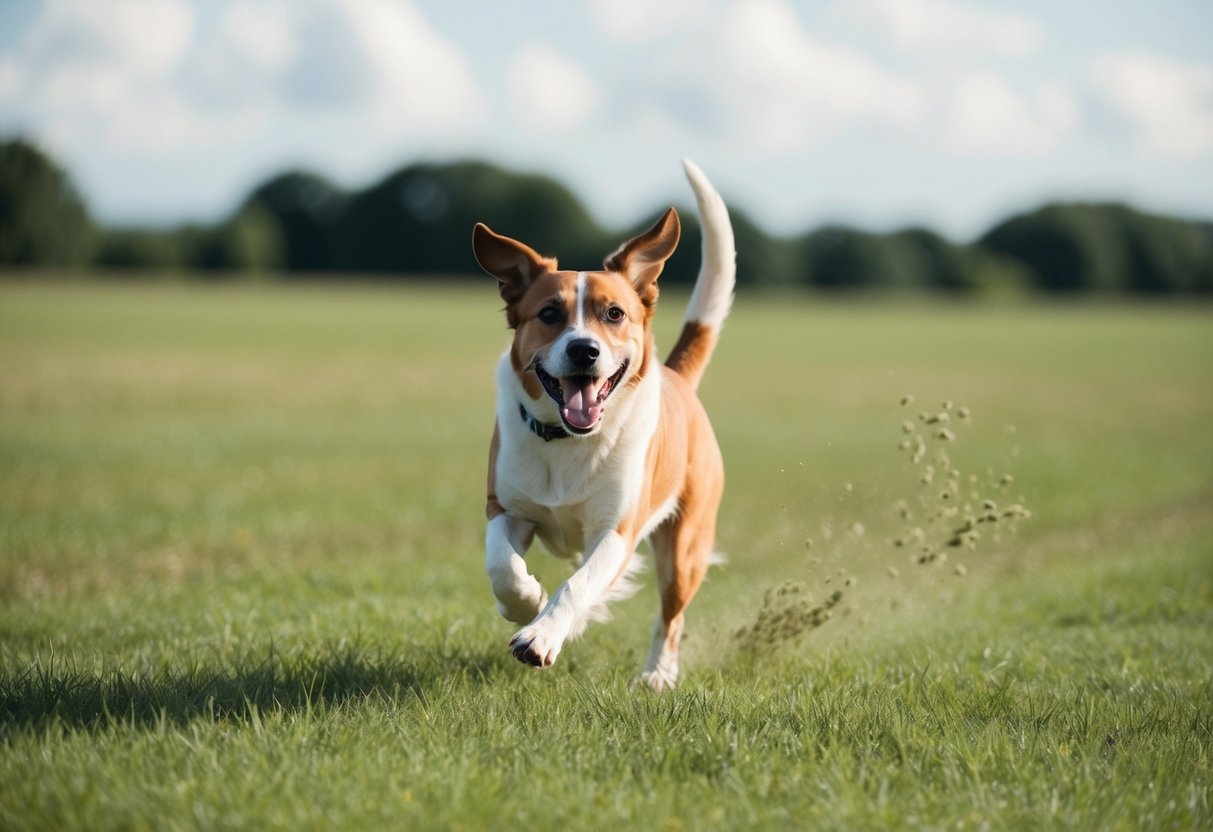
Zoomies are a common and playful behavior seen in dogs. These energetic bursts, often called frenetic random activity periods (FRAPs), can leave you wondering about their significance. Knowing what causes these fun fits can help you better understand your dog.
What Are Zoomies?
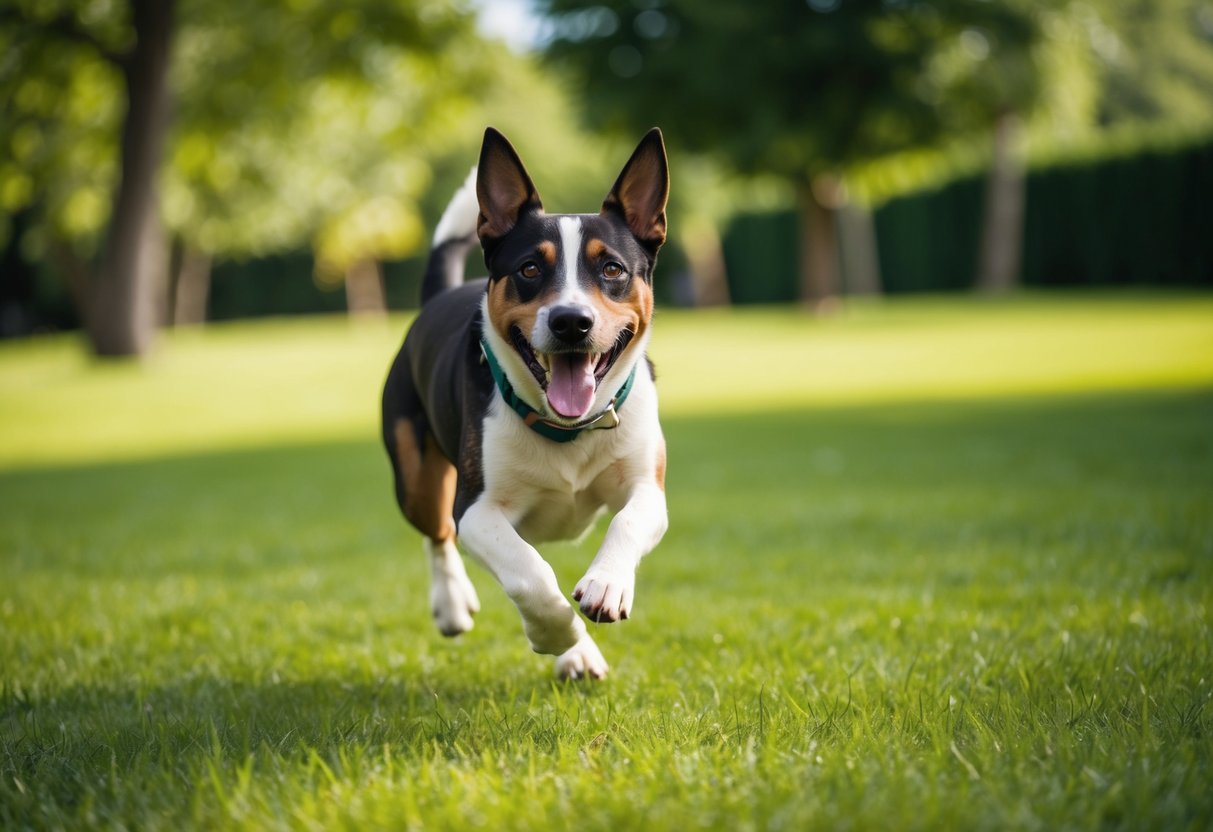
Zoomies refer to those sudden bursts of energy when a dog runs wildly around, often in circles or zigzag patterns. It’s a joyful display of excitement and happiness. You might notice your dog’s tail wagging furiously, barking, or playfully nipping at you during these moments.
Zoomies are a normal part of dog behavior and usually last for a short time. They often occur after your dog has been resting, particularly after grooming, a bath, or a long nap. This behavior is not harmful; in fact, it shows your dog is feeling good and has the energy to let loose.
Common Causes of Dog Zoomies
There are several reasons why dogs experience zoomies. One of the main causes is a lack of physical exercise. If your dog hasn’t had enough playtime or walks, they may release pent-up energy through zoomies.
Stress or excitement can also trigger this behavior. For example, a new environment or the arrival of guests can make your dog feel playful. Additionally, some dogs may get zoomies after stressful situations as a way to release that nervous energy.
Understanding your dog’s unique triggers will help you manage their zoomie moments. Encouraging regular exercise can also reduce the frequency of these energetic bursts.
The Link Between Activity Levels and Zoomies
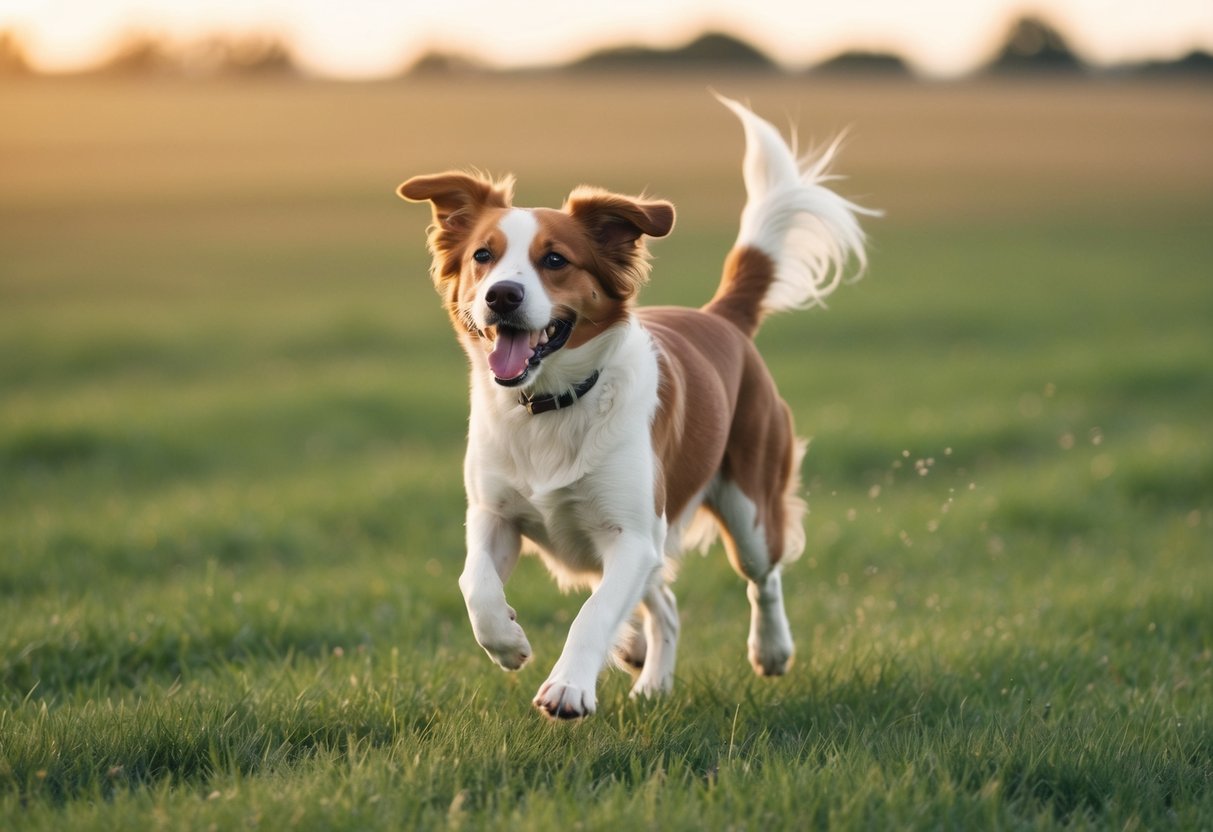
Your dog’s activity level plays a big role in whether they experience zoomies. Understanding how exercise and mental stimulation impact your dog’s behavior can help you see why some dogs may not get the zoomies at all.
Importance of Physical Exercise
Physical exercise is essential for your dog’s health and happiness. When dogs don’t get enough exercise, they can build up pent-up energy. This excess energy may lead to boredom or anxiety.
Regular walks, playtime, and other activities are crucial. They help release this energy and promote good behavior. Dogs that engage in daily exercise are more likely to exhibit playful behavior, like zoomies, as a way to express their joy and satisfaction.
Make sure to tailor the exercise to your dog’s breed and age. For example, high-energy breeds may need more vigorous activity than others.
Mental Stimulation Needs
Mental stimulation is just as important as physical exercise. Dogs need to engage their minds to prevent boredom. Lack of mental challenge can lead to hyperactive behavior or unwanted actions.
Activities like puzzle toys, obedience training, and interactive games can provide the necessary stimulation. These activities keep your dog focused and satisfied.
When dogs receive both physical and mental exercise, they are more balanced and less likely to act out. Combining these efforts can lead to more frequent and healthier zoomie moments as your dog feels fulfilled and happy.
When Zoomies Might Be a Concern
Sometimes, not experiencing zoomies can be linked to certain behavioral issues. You should monitor your dog’s overall behavior for signs that something might be wrong. Identifying these signs early can help in addressing any potential problems.
Signs of Potential Behavioral Issues
If your dog rarely gets the zoomies, it might indicate a lack of proper stimulation or excitement. Look for signs such as lethargy, disinterest in play, or excessive barking.
Consider these factors:
- Low energy levels
- Changes in appetite
- Withdrawal from social interaction
These could signal issues that may need attention. You might also want to consult a qualified dog trainer or a veterinarian if you notice that your dog exhibits these signs. They can provide advice tailored to your dog’s needs and help you develop strategies to engage your pet better.
Understanding Separation Anxiety
Some dogs may not get the zoomies due to separation anxiety. This condition can cause stress when they are left alone.
Signs of separation anxiety include:
- Excessive whining or barking
- Destructive behavior
- Pacing or drooling
If your dog shows these symptoms, try to gradually increase the time they spend alone. Creating a safe, comfortable space can ease their anxiety. Consulting a dog trainer can also help you develop a plan to reduce their anxiety during separations.
Ensuring a Healthy Environment for Your Dog
A healthy environment is vital for your dog’s well-being. It helps them thrive both physically and mentally. Focusing on stimulation and routine can prevent boredom and encourage positive behavior.
Creating a Stimulating Home Setting
Your home should provide both mental and physical stimulation. This is especially important for breeds known for getting the zoomies, like the French Bulldog.
Incorporate toys that challenge your dog, such as puzzle feeders or treat-dispensing balls. Make sure to rotate toys regularly to keep your dog engaged.
A dog park visit can also provide great exercise and social interactions. This adds excitement to their day.
You might also want to set up a play area where your dog can run and explore safely at home. Having windows for them to look out or a safe outdoor space can further enrich their environment and inspire natural behaviors.
The Role of Routine and Training
Establishing a daily routine can create a sense of security for your dog. Regular walks, playtime, and training sessions help them know what to expect.
Consistency in your dog’s schedule is essential.
Training is also a great way to bond and can be fun for both of you. Keep sessions short and playful. Ideally, engage your dog with commands, games, and rewards. This can keep their mind sharp.
Keeping your dog active through exercise and training will help reduce unwanted behaviors. This will help them maintain a balanced lifestyle, ensuring they remain happy and healthy.


