
Ever spotted a little bird with yellow and grey feathers somewhere in the UK? Chances are, you’ve seen either the Great Tit or the Grey Wagtail.
The Great Tit really pops out with its black head, white cheeks, and that bright yellow belly. You’ll see them a lot in gardens—probably more often than you realize.
The Grey Wagtail usually hangs out near water. Its mix of grey and yellow markings makes it hard to miss once you know what to look for.

Learning how to spot these birds can make your walks or even a lazy day in the garden way more interesting.
Both birds have their own quirks and favorite hangouts. Once you start paying attention, you’ll notice little things that set them apart.
You might be surprised at what you pick up on if you just watch closely.
Identifying Yellow and Grey Small Birds in the UK
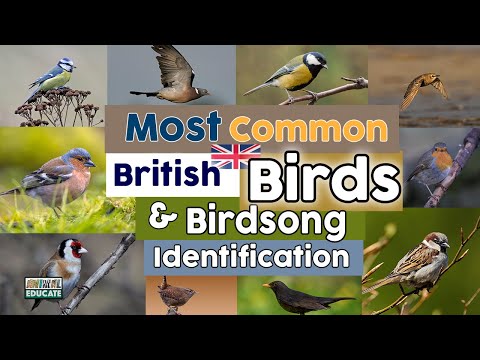
When you’re out looking for yellow and grey small birds, pay attention to their size, colors, and where you see them.
A lot of birds share similar colors, but their habits or markings can be totally different. Knowing these small details helps you tell who’s who.
Most Common Yellow and Grey Species
You’ll spot the Grey Wagtail near water most of the time. It has slate grey on top and a bright yellow under-tail. Its tail is long and never seems to stop moving, which is a dead giveaway.
During the breeding season, the male gets a bold black throat patch.
The Yellow Wagtail is smaller. It’s got olive-green upperparts and a really vivid yellow belly. You’ll usually find it darting around open fields.
The Great Tit has a black head, white cheeks, and a yellow belly. It’s super common in gardens and pretty hard to mistake for anything else.
Yellowhammers show up on hedges. They’ve got bright yellow heads and streaky brown bodies. Their song is lovely, and the males look much yellower than the females.
Key Field Marks and Features
Keep your eyes on three things: color patterns, body shape, and how they act.
- Watch for the yellow belly or under-tail. The Grey Wagtail’s yellow under-tail really stands out.
- Check out the head and chest. Great Tits have black heads and white cheeks, while Yellowhammers have those glowing yellow heads.
- Look at the wings and tail. Wagtails have long, wagging tails, unlike warblers with short, neat ones.
- Behavior matters too. Warblers like the Willow Warbler stay shy and flit around in trees. Wagtails are bolder and stick closer to the ground or water.
Seasonal Variations in Color and Plumage
Colors change a lot through the year. In the breeding season, males usually look brighter.
Male Grey Wagtails get a strong black throat, while females skip that feature.
Yellowhammer males turn even more yellow in summer, but females stay pretty dull.
Outside of breeding, birds often look plainer. Willow Warblers and Chiffchaffs can look almost identical, but their songs set them apart.
If you start noticing these seasonal changes, your birdwatching skills will get a lot sharper.
For more info on yellow and grey birds in the UK, here’s a handy guide: Yellow and Grey Bird in the UK.
Habitats and Birdwatching Tips

Yellow and grey small birds in the UK like places with plenty of cover and food. You’ll usually find them near rivers, in meadows, or hanging out in quiet gardens, especially when it’s breeding season.
If you know where to look and how to make your space inviting, you’ll spot them a lot more.
Best Places to Spot Yellow and Grey Birds
Check riversides for yellow and grey birds—there are loads of insects there for them to eat.
Meadows with wildflowers pull them in too, thanks to all the food and hiding spots. Gardens with thick shrubs can be great if you’re patient.
During breeding season, birds like Phylloscopus warblers hide out in dense bushes by water.
You’ll have the best luck early in the morning or late afternoon, since birds are most active then. Walk slowly and stay quiet so you don’t scare them off.
Encouraging Visits to Gardens
You can turn your garden into a bird haven by planting native shrubs and wildflowers.
Bird feeders with seeds and fat balls bring in small birds, especially when it’s chilly outside.
Keep birdbaths clean and filled with fresh water. Skip the pesticides so there are plenty of insects for birds to eat.
Dense shrubs and small trees give them safe spots to nest during breeding season.
Birdwatching Techniques and Ethics
Grab your binoculars and a field guide if you want to spot yellow and grey birds. Take your time—there’s no need to rush. Try to keep quiet so you don’t scare them off.
Don’t reach out or try to trap the birds. They really don’t like that.
Give them plenty of space, especially when it’s breeding season. Stay away from nests if you see any.
Stick to local birdwatching rules. Snap some photos, but make sure you’re not bothering the birds.
If you want to dig deeper into yellow and grey bird species, check out the guide on yellow and gray birds ID.


