
Ever seen a creature with a bird’s body and a human head? You might wonder what on earth it’s called. These strange hybrids turn up in myths and stories from all over the globe.
People usually call them avian humanoids. Some famous examples include harpies and the Inmyeonjo—a bird with a human face from Korean legends. They mix human smarts with bird traits like flight or maybe a haunting song.
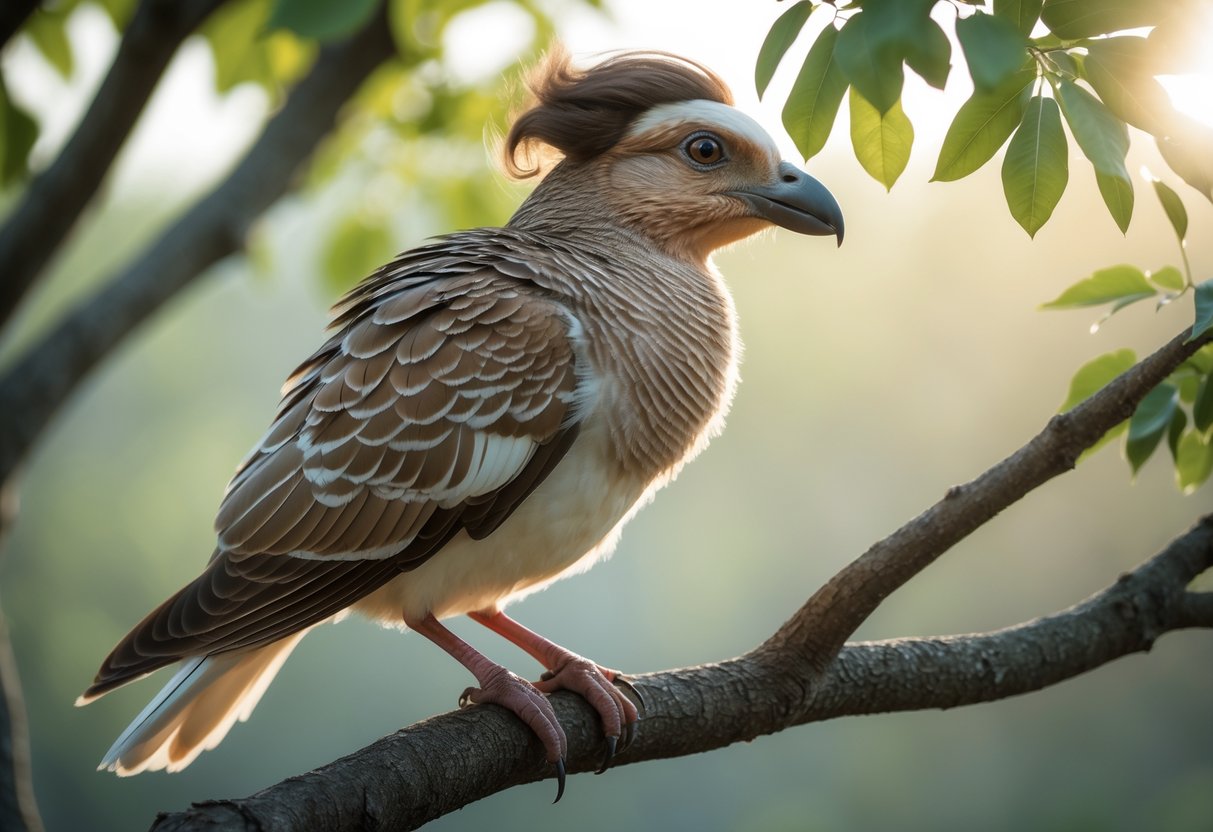
It’s kind of wild how these creatures pop up in so many cultures. Think Greek harpies, or the Ba bird from ancient Egypt. Civilizations everywhere imagined beings that blend human and bird features.
Digging into their stories opens up a world where nature and humanity crash together in unexpected ways.
What Is a Bird with a Human Head Called?

You’ve probably seen drawings or tales about creatures with a bird’s body and a human head. Cultures everywhere have dreamed up these beings, and they usually have some special meaning or power.
Knowing their names and roles actually makes old myths and legends a lot more interesting.
Common Terms and Definitions
Most folks call a bird with a human head an avian humanoid, or just “bird people.” That’s the catch-all term for creatures mixing human and bird features.
Korean stories have the Inmyeonjo, literally “human face bird.” It’s got a bird’s body and a human face—usually a woman’s, for some reason.
There’s also the harpy from Greek and Roman myths. Harpies show up with a woman’s face, bird wings, and claws.
Ancient Egyptians believed in the ba—the part of the soul that appears as a bird with a human head.
Overview of Avian Humanoids in Mythology
Avian humanoids show up in a bunch of cultures, each one with its own twist. Russian legends talk about the Gamayun—a wise bird with a woman’s head who can tell the future.
Hindu and Buddhist stories feature the Kinnara, beings with a bird’s body and a human torso. People say they’re celestial musicians.
A lot of these creatures act as messengers, protectors, or symbols of freedom. You’ll often see them with wings, hinting at travel between worlds or spiritual realms.
You’ll spot similar figures in Greek, Egyptian, Japanese, and Southeast Asian stories. Clearly, the idea of bird-human creatures just sticks with people.
If you’re curious, here’s a List of avian humanoids you can check out for more details.
Famous Mythological Bird-Human Hybrids

You’ll find bird-human hybrids in all sorts of cultures, each one with its own flavor. Sometimes they’ve got a human head and the body or wings of a bird.
People see them as symbols of power, wisdom, mystery, or even danger. They might guard souls, sing prophecies, or just soar across the sky as messengers from the gods.
Ba Bird in Ancient Egyptian Mythology
The Ba is part of the soul in ancient Egyptian belief. It looks like a bird with a human head.
Egyptians believed the Ba could fly between the world of the living and the afterlife.
Art usually shows the Ba as a bird with outstretched wings and a human face. The Ba helped souls return to their bodies and join the gods.
It’s kind of like your soul flying free, but still tied to your own identity. The Ba sits at the center of Egyptian ideas about life, death, and what comes after.
Alkonost, Gamayun, and Sirin in Slavic Folklore
Slavic stories love bird-women with magical or prophetic powers. The Alkonost is a bird-woman who sings songs that can bring either joy or sadness.
When she’s around, you might feel a weird peace or a wave of emotion.
Gamayun is another wise, prophetic bird with a woman’s head. She tells secrets and shares knowledge from the gods.
If you run into Gamayun, you’re in for some deep insight.
Sirin is a bit trickier. She’s tied to both happiness and danger.
Her song is enchanting, but it might lure people into trouble. These bird-women show how Slavic folklore mixes beauty, mystery, and warning.
Harpy and Sirens in Greek Mythology
Greek myths give us the Harpies—fierce bird women with sharp claws. They punish wrongdoers or act as agents for the gods.
Picture winged creatures who swoop in to snatch or torment people. Their shrieks must have been terrifying.
Sirens started out as bird-women too. Their songs lured sailors to wreck their ships.
The melodies were beautiful but deadly—so tempting, yet so dangerous. Over time, stories turned sirens into mermaids, but their bird roots never really faded away.
Harpies and Sirens both show how bird-human hybrids can be powerful and, honestly, a little scary.
Garuda and Kinnara in Hindu and Buddhist Mythology
Garuda stands out as a giant eagle-like bird with a human face. He serves as the mount of the god Vishnu.
When I picture Garuda, I think of raw strength, speed, and a sense of protection. He swoops in to fight evil and bring justice, soaring high above everything.
Kinnaras, on the other hand, are gentle and kind of enchanting—half-human, half-bird beings that pop up in lots of Southeast Asian stories. People talk about their musical talent and their romantic nature.
It’s easy to imagine Kinnaras as peaceful guardians. They seem to watch over humanity with a quiet, patient kindness.
Garuda and Kinnara each reflect a different side of bird-human hybrids in Hindu and Buddhist traditions. One’s fierce and mighty, the other’s gentle and caring.
Both connect humans and the divine in their own unique ways. There’s just something fascinating about how these creatures bridge two worlds.
If you want to dig deeper, you can check out more about these figures and their stories in avian humanoids.


