
Ever wondered what you’re actually supposed to call a female bird? The answer isn’t as simple as you might think. Most folks just say “hen,” but some birds have their own special names—like peahen for peafowls or pen for swans. These names usually tie back to the species or the bird’s role out in the wild.
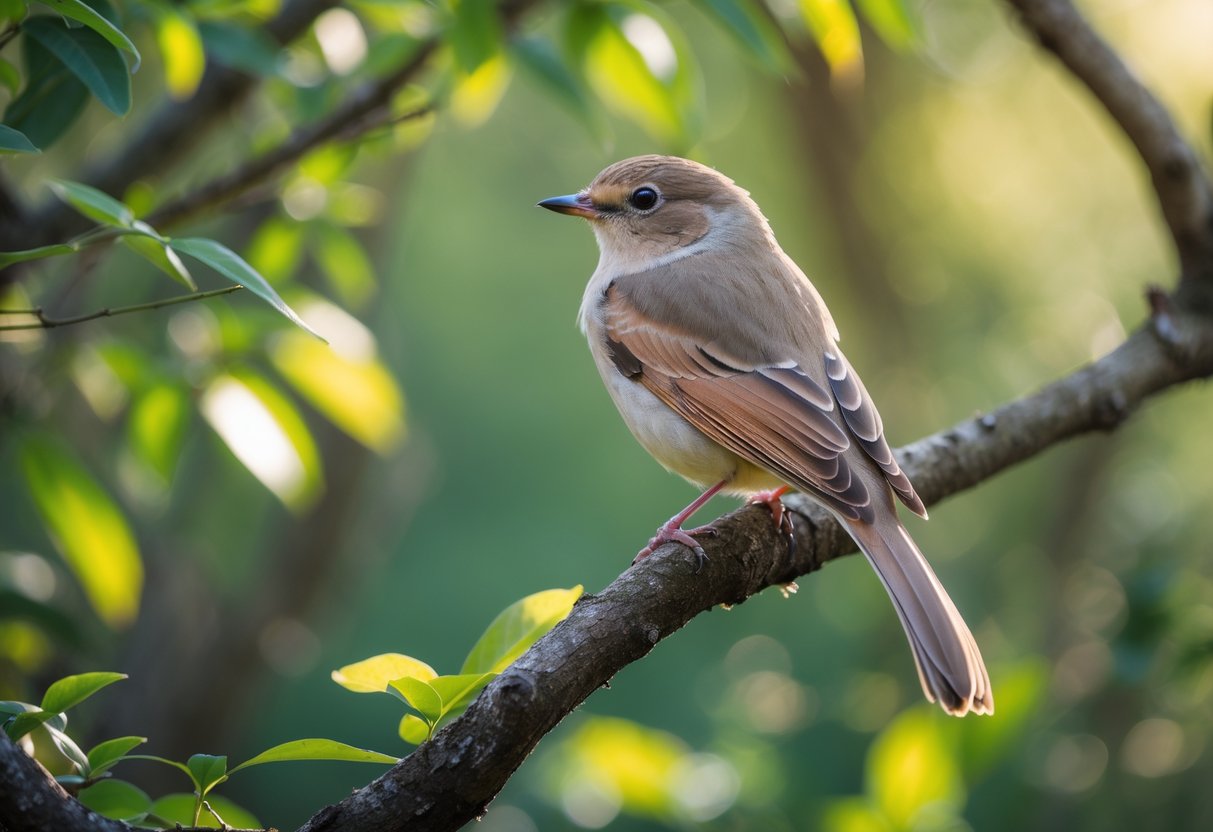
Getting these terms right can make you sound like you know your stuff, or just help you understand what’s going on when you’re watching birds outside. Some female birds don’t get fancy titles—they’re just called females—while others look totally different from the males.
Let’s dig into how these names change from bird to bird, and why it’s even worth knowing. It’s a simple question, but the answers are actually pretty interesting.
Names for Female Birds in Different Species
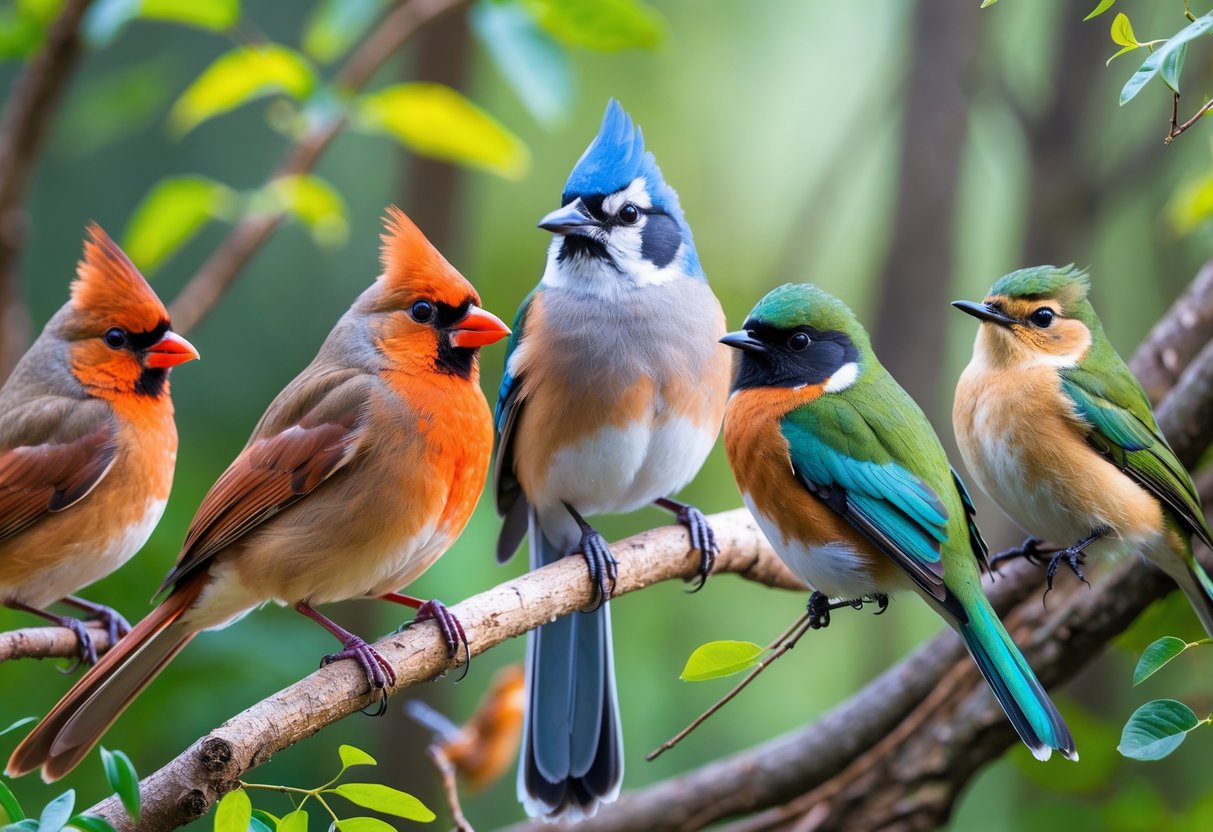
Female birds get different names depending on their species. Some have general names, while others get something more unique.
If you know these names, you’ll have an easier time understanding how birds act and what makes them tick.
General Terms: Hen and Beyond
Hen is the go-to name for most female birds, especially in the world of backyard chickens.
A mature female chicken? That’s a hen. If she’s younger, folks call her a pullet.
People use “hen” for other birds too, like ducks. Still, sometimes people just say “duck” for the female, while a male is a drake.
Some birds don’t get a special name at all. People just say “female cardinal” or “female hawk.”
Knowing these words helps you tell the girls from the boys when you’re birdwatching or raising birds at home.
Specific Names for Popular Birds
Some birds get their own unique names for females. For instance, a female peacock isn’t a peacock at all—she’s a peahen.
Swans? The females are called pens. They’re known for looking after their cygnets and for their graceful moves.
When it comes to geese, there’s not really a special female name. People just say “goose” for both.
Birds of prey like eagles and hawks don’t get a new name for females, but the females are usually bigger and more dominant. That’s kind of wild, right?
If you learn these names, you’ll sound more accurate when you talk about birds, and you’ll probably appreciate them a bit more.
Female Birds in Domestic and Wild Avian Life
In farming and backyard settings, people use specific names for female birds because of things like egg-laying. Chickens, ducks, and turkeys? “Hen” pops up a lot.
Wild birds mix it up more. Female songbirds like cardinals have duller colors than males, mostly to hide from predators.
Birds of prey flip the script—females are bigger and stronger. This changes how they hunt and nest.
Whether they’re wild or living on a farm, female birds take on roles that fit their species and surroundings. If you know the names, you’ll get a better sense of what each bird does.
You can check out a full list of female bird names and how they’re used at What Are Female Birds Called?
Identifying Female Birds: Key Traits and Sexual Dimorphism

Trying to spot female birds? You’ll notice differences in their feathers, colors, and even how they act. These things help females stay hidden and raise their chicks. Size matters too, especially for birds of prey.
Plumage, Feathers, and Color Differences
Female birds usually have feathers that aren’t as bright as the males. That helps them blend in, especially when they’re sitting on a nest.
Take cardinals—females are brownish, while the guys are flashy red. That’s a classic example of sexual dimorphism.
Feather patterns on females tend to be practical. You’ll see more browns, grays, and olive tones, perfect for hiding out. That’s important since females spend so much time near the nest.
Look at peafowl: the female, or peahen, has simple colors that help her avoid predators.
You can often tell a female by her subtle, duller feathers. But sometimes, males and females look almost the same. In those cases, you have to look for other clues to tell them apart.
Behavioral and Size Distinctions
Female birds usually behave differently than males. You’ll probably notice they spend more time building nests or caring for chicks.
They tend to use softer calls, especially while nesting, to avoid drawing too much attention. Honestly, you might even find them much quieter than the males.
Size can help you pick out females in some species. In birds of prey like eagles or falcons, females actually grow larger and stronger.
This difference—reversed sexual dimorphism—lets females catch bigger prey or better protect the nest. It’s kind of fascinating when you think about it.
Pay attention to how a bird behaves in its environment. Females often focus on guarding their territory during breeding.
They can get surprisingly aggressive around the nest. If you watch for these traits, it gets a lot easier to tell males and females apart in the wild.
For more on physical and behavioral differences in birds, check out how to tell male and female birds apart in the field.


