
Trying to figure out if you should leave your bird alone? It’s not always easy. Birds rely on you for food, water, and, honestly, a bit of daily company.
You really shouldn’t leave most birds alone for more than 24 hours. Someone needs to check in on them to make sure they’re safe and comfortable.

Your bird’s species, age, and personality all matter when you’re deciding how long they can stay alone. Some birds handle short stints solo better than others, but let’s be honest—most are social creatures that crave stimulation.
If you know you’ll be gone, get things ready: bring out the toys, set out fresh food, and maybe have someone pop in to check on your feathered friend.
When you understand your bird’s needs, you can avoid unnecessary stress for both of you. There are tools and services out there that help when you can’t be home, and that can offer a bit of peace of mind.
Factors to Consider Before Leaving Your Bird Alone
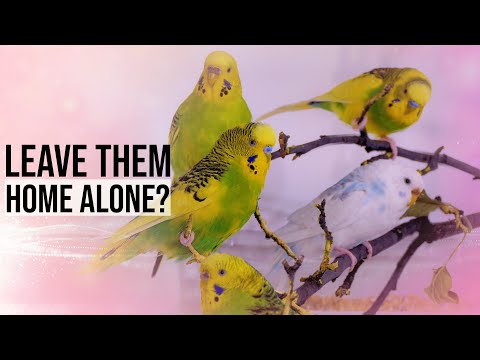
Leaving your bird alone isn’t something you just do on a whim. You need to think about their social needs, their personality, and how you’ll keep their spot safe and comfortable.
Paying attention to these details helps you make sure your bird stays happy and healthy while you’re away.
Social Interaction and Companionship Needs
Social birds like conures really need daily attention to stay emotionally balanced. If your bird usually hangs out with you or other birds, even a short time alone can stress them out.
Try to spend at least an hour with your bird before you head out. Talk to them, play a bit, or let them out of the cage if you can.
If your conure is used to having company, maybe think about getting them a bird buddy.
Birds bond and communicate through social time. Without it, they might get lonely and start acting out, like screaming or plucking their feathers.
Species-Specific Requirements for Birds Like Conures
Conures are lively little parrots that want to play and explore. If you leave them alone without toys or things to do, they can get anxious fast.
Give your conure fresh food and water every day. They need perches, safe toys, and puzzles to stay busy.
Watch out for temperature changes—these birds don’t like drafts or extreme heat.
Before you leave your conure alone, get to know their temperament. Some do okay for a bit, but most need regular interaction so they don’t get stressed.
Environmental Safety and Cage Setup
Your bird’s safety starts with a secure, tidy setup. Double-check those cage locks so your bird can’t escape when you’re not home.
Take out any small or loose things your bird might swallow.
Move the cage away from windows or vents to dodge drafts and harsh sunlight. Keep the area calm and at a steady temperature.
Put out enough food and water for the whole time you’ll be gone. Water bottles or heavy bowls work best to avoid spills.
Switch up the toys before you leave to keep things interesting. The cage should have clean perches and enough space for your bird to move around safely.
Want more tips? Here’s a handy guide on how to leave your bird alone.
Best Practices for Preparing Birds for Alone Time

When you’re getting your bird ready to be alone, focus on food, water, entertainment, and making their space safe and comfy.
These steps help your bird feel secure and content while you’re away.
Food and Water Strategies
Give your bird fresh food and water before you leave. Use a water bottle instead of a bowl to cut down on spills and keep the water cleaner.
Make sure there’s enough water for the whole time you’ll be gone.
Offer dry pellets or seeds that won’t go bad quickly. For conures, toss in a few pieces of their favorite fruit or veggies just before you leave, but don’t overdo it.
A foraging toy filled with treats can make your bird work for their food and stay busy while you’re gone.
Enrichment and Entertainment Options
Birds get bored easily, so you need to keep them entertained. Give your bird a mix of different toys before you leave.
Rotate the toys often so nothing gets too old or boring. Puzzle toys and things they can chew are always a hit.
Conures love noisy toys, so add some bells or wood blocks. You can hide treats in toys for extra fun.
Try putting perches at different heights or add a small mirror for something new to look at. These little touches keep your bird active and curious.
Lighting, Noise, and Comfort Measures
Try to keep your bird’s room calm and set at a comfy temperature.
Stay away from spots with drafts or loud noises from appliances or outside traffic.
Light really shapes your bird’s mood. I’d suggest giving them natural or soft lighting during the day so it feels more like the outdoors.
Don’t leave your bird in total darkness for too long—it can make them uneasy.
Some birds seem to enjoy a bit of background noise. You might leave on some gentle music or maybe the TV at low volume.
That way, the room doesn’t feel so empty. Just double-check that their cage is secure and placed somewhere your bird feels safe.


