
Ever spent a few minutes just watching your garden? You might catch yourself wondering which bird you’re most likely to spot flitting around. The house sparrow usually wins that title. These little, energetic birds seem to be everywhere, hopping around feeders and bushes with their unmistakable markings.

But it’s not just sparrows that show up. Wrens, robins, blackbirds, and wood pigeons all love to visit too.
If you learn to recognize these birds, you’ll probably enjoy your time outside even more. It’s a great way to turn your garden into a hangout spot for more feathered guests.
Whether you’re just starting out or you’ve been bird watching for years, knowing who’s around brings a fresh layer of fun to your garden visits.
Let’s dig into a few of the most common guests and how you can spot them.
Identifying the Most Common Garden Birds
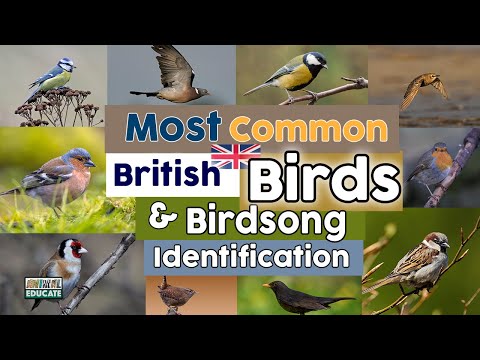
You can spot several familiar birds in your garden by checking out their size, color, and behavior.
Some birds catch your eye with bright colors or unique songs. Others stand out because of how they move or gather in groups.
If you remember a few key traits, you’ll start recognizing your feathered visitors in no time.
House Sparrow: The Leading Garden Visitor
You’ll see house sparrows all over the place. Males have grey heads, black throats, and rich brown backs.
Females look a bit plainer, with light brown feathers. They usually forage in pairs, hopping on the ground or hanging out near feeders.
House sparrows go for seeds and scraps. They nest in small spaces—think holes in buildings or trees.
Their chirpy, repetitive calls are hard to miss. If you want more house sparrows around, put out seeds and keep some shrubs nearby for cover.
Recognizing Starlings and Understanding Murmurations
Starlings are medium-sized birds with shiny black feathers that shimmer green and purple in sunlight.
In spring, their feathers get speckled with white dots. You might catch huge groups of starlings flying in tight, twisty patterns at dusk—those are murmurations.
It’s a wild sight and helps protect them from predators. Starlings mostly eat insects, but they won’t say no to seeds and suet at feeders.
They visit gardens in towns and cities all year round.
Spotting Blackbirds in Your Garden
Male blackbirds have glossy black feathers and bright orange-yellow beaks that really stand out.
Females look brown instead. You’ll probably hear blackbirds before you see them, thanks to their lovely dawn song.
Blackbirds search for insects and worms on the ground. In winter, they’ll eat berries too.
If you want to see more blackbirds, add a bird bath or offer mealworms and fat balls.
Goldfinch, Chaffinch, and Wren: Other Frequent Guests
Goldfinches are small and bright, with red faces and yellow wing patches.
They love tiny seeds and flock to nyjer seed feeders. Chaffinches mix orange, brown, and grey, with males looking more colorful.
They eat seeds and often feed on the ground near feeders. Wrens are tiny, fast-moving birds with brown, streaked feathers.
You’ll usually spot them darting through bushes, hunting insects. In winter, wrens might show up at bird tables when insects get scarce.
These birds bring color and energy to your garden all year long.
Creating a Bird-Friendly Garden

You can make your garden a welcoming place for birds by offering food, shelter, and water.
Even small changes, like adding feeders or creating safe spots, make a big difference for local birds.
Each piece—food, water, shelter—helps birds stick around and thrive.
The Role of Bird Tables and Feeders
Bird tables and feeders bring birds right to you, making it easy (and kind of addictive) to watch them.
If you offer a mix of seeds, nuts, or suet, you’ll attract different species. Place feeders somewhere safe, away from lurking cats.
Keep them clean to stop diseases from spreading. Try to put out food all year.
In winter, birds need high-fat foods like sunflower seeds and suet to stay warm. During spring and summer, fruit or mealworms help nesting birds get the protein they need.
Feeders come in handy when natural food is hard to find. If you put them near shrubs or trees, birds feel safer popping in for a snack.
Shelter, Water Sources, and Nesting Habitats
Birds need shelter to hide from predators and bad weather.
You can help by planting native shrubs, building brush piles, or just leaving some fallen leaves. Water matters too.
A bird bath or shallow dish with fresh water gives birds a spot to drink and clean up. Add a dripper or small fountain if you want—birds love the sound of moving water.
If you want to help birds nest, try installing nesting boxes that suit your local species.
Planting a mix of trees, shrubs, and ground plants gives birds more places to build nests and stay safe.
Benefits of Supporting Local Bird Populations
When you create a bird-friendly garden, you give local wildlife a better shot at staying healthy. Birds eat insects, so they help control pests and cut down on the need for pesticides.
They also spread seeds around, which helps native plants grow. This keeps your garden looking diverse and a bit tougher when the seasons start to shift.
Bringing native birds into your yard connects you with nature in a way that just feels good. Plus, their color and songs add a little magic to your outdoor space.
If you’re curious about how to attract more birds or want tips on feeding them, check out How to Make Your Yard Bird-Friendly.


