
Ever wondered which bird tops the list as the most common in the world? Honestly, you’re not alone. Birds are everywhere, but some species just seem to take over. The domestic chicken claims the title as the most common bird on the planet, with billions living on farms all over the place.

It might surprise you, but chickens outnumber wild birds by a huge margin, mostly because people raise them for eggs and meat. But hey, there are loads of wild birds you’ll spot often, whether you’re in your backyard or out for a walk in the woods. Learning about these birds just adds a bit more fun to birdwatching.
When you look into the most common birds and what makes them so successful, you’ll end up meeting a few fascinating feathered neighbors. Whether you’re curious about the usual suspects or want to drop some bird facts at a party, this post should help you figure out which creatures really fill our skies.
What Is the Name of the Most Common Bird in the World?

The most common bird isn’t one you’ll usually find wild in your local park or forest. Some birds stick close to people, while others prefer the wild. Their populations can get massive—think billions.
Domestic Chicken: Global Population and Significance
The domestic chicken (Gallus gallus domesticus) sits at the top as the world’s most common bird, with more than 22 billion living worldwide. You’ll spot chickens almost everywhere because people raise them as a main source of food. Their eggs and meat land on tables in countries all over.
Chickens have actually shaped human history. For thousands of years, they’ve held cultural significance, sometimes symbolizing fertility or nurturing in different societies.
Since chickens are so numerous, they really impact the environment and agriculture. No wild bird species comes even close to their numbers. If you’re curious, check out more about chickens and their global population at the most common bird in the world.
Red-Billed Quelea: The Most Abundant Wild Bird
If you’re looking for the most abundant wild bird, that’s the red-billed quelea (Quelea quelea). These tiny birds call Sub-Saharan Africa home and people sometimes call them the “red-billed weaver” because of their colorful beaks.
There are about 1.5 billion red-billed queleas out there. They move in enormous flocks that look like living clouds. Farmers know them well, since these birds can wipe out crops in no time.
Unlike chickens, red-billed queleas avoid living with people and stick to wild open spaces. Their social habits and sheer numbers make them stand out among birds. You can find more details at the article on the most common wild bird.
Other Wild Birds with Large Populations
Besides chickens and queleas, you’ll find plenty of wild birds with huge populations. The house sparrow (Passer domesticus) pops up near people all over the world, with hundreds of millions flying around.
The European starling (Sturnus vulgaris) is another contender. It started out in Europe but now flocks in places like North America too. Starling flocks can get pretty big.
You’ll spot species like the mourning dove and American robin in the hundreds of millions as well. These birds adapt to all kinds of environments, from city blocks to deep woods.
Here’s a quick look at some of the most populous wild birds:
| Bird Species | Estimated Population |
|---|---|
| Red-billed quelea | 1.5 billion |
| House sparrow | 500 million+ |
| European starling | 100 million+ |
| Mourning dove | 475 million |
| American robin | 310 million |
These birds really show how some species thrive both near people and out in the wild. You can read more about popular birds worldwide in the Top 10 Most Common Birds.
Notable Common Bird Species Around the World
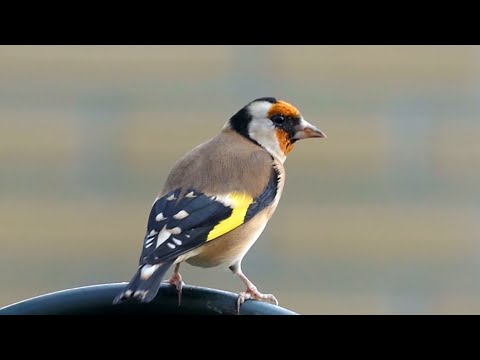
All over the planet, you’ll find bird species that are common because they live close to people or just cover a lot of ground. Some, like the house sparrow, have made themselves at home almost everywhere, while others, such as the American robin, stick mostly to North America. There’s a big difference between birds people raise and those that make it on their own in the wild.
House Sparrow and Its Worldwide Presence
You’ll spot the house sparrow almost anywhere. It started out in Europe and Asia, but now you can find it in cities, towns, and farms pretty much everywhere humans live.
House sparrows do well in urban areas, where they eat scraps and seeds. You’ll see them hanging around buildings, parks, and gardens.
They’re small, brownish birds with gray heads. These sparrows like to live in groups, so you’ll often spot a bunch together. Their wide range makes them familiar to people all over the world.
American Robin and Other Widespread North American Birds
You’ll often see the American robin, or Turdus migratorius, hopping around parks and backyards in North America. People know it for its red chest and cheerful song.
Other common North American birds include the mourning dove and the red-winged blackbird (Agelaius phoeniceus). The mourning dove’s soft coo is easy to recognize.
Red-winged blackbirds stand out with their bright red and yellow shoulders. Birds like the chipping sparrow and common starling are everywhere too. These birds help local ecosystems by eating insects or spreading seeds.
Key Differences Between Domestic and Wild Common Birds
Some of the most common birds, like the domestic chicken, stick around mostly because people raise them. Honestly, when someone asks about the most common bird, chickens probably pop into your head first. Their numbers actually blow all wild bird species out of the water.
Wild birds, on the other hand—think red-billed quelea or the common pheasant—just do their own thing out in nature. Red-billed queleas gather in massive flocks across Africa. Pheasants seem to prefer grasslands and farmland instead.
People usually keep domestic birds for food or eggs. Wild birds, though, help out by controlling insects and pollinating plants.
Their habits and needs don’t really line up, but both types matter in their own way.


