
Bees don’t just sting out of nowhere. They usually do it to protect themselves or their home, and certain things about you can make them feel threatened—or just curious enough to check you out. Your scent, your clothes, and even the way you move can all make a bee notice you.
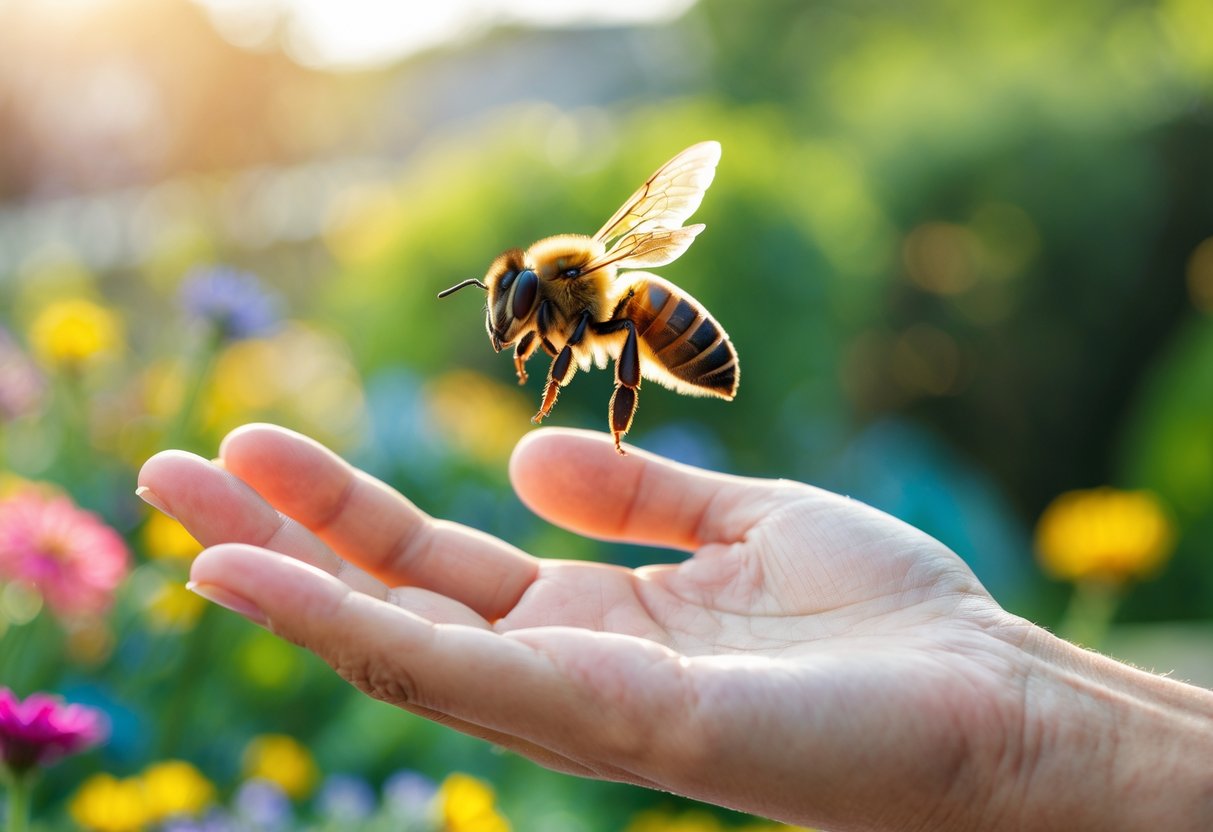
You might not think about it, but perfumes, bright shirts, or even scented shampoos can lure bees in because they smell like flowers. If you’ve got sweet drinks or food on your skin, that’s another thing bees might find interesting.
Knowing why bees sting can help you keep cool when they’re around. This guide breaks down the main reasons bees sting and what you can actually do to avoid it.
Key Reasons Bees Are Attracted to Sting You

Bees usually react to what they see, smell, or sense as danger. Certain scents, colors, or actions can set them off, and stinging is how they try to protect themselves or their home.
Self-Defense Mechanisms
Bees sting mostly to defend themselves or their colony. If you wander too close to their hive, they see you as a threat.
When a bee stings, it releases an alarm pheromone. That chemical tells other bees to join in and defend the hive.
The sting actually harms the bee, so they don’t do it unless they really have to. They’re just trying to protect their pollen, nectar, and especially the queen.
If you step near a hive or mess with their home, your chances of getting stung go way up.
Scent and Visual Triggers
Bees love sweet scents like perfumes, lotions, or even some soaps. These smells can trick them into thinking you’re a flower.
Bright clothes—especially yellow, blue, or anything floral—catch their eye. If you want to avoid bees, try wearing neutral or lighter colors.
Paying attention to what you wear and how you smell can make a difference.
Proximity to Bee Nests
When you get close to a bee nest or hive, bees get defensive fast. They want to protect their colony and all their resources.
If you’re near their home, bees will hover and check you out. Staying away from nests or hives is a good idea if you want to avoid stings.
If you accidentally disturb a nest, some bees will sting to defend it.
Sudden Movements
Fast or jerky movements can freak bees out. Swatting or waving your hands quickly makes bees feel threatened.
Bees see sudden moves as danger to themselves or their hive. If you move calmly and slowly, you’re less likely to get stung.
Don’t panic or flail if a bee flies near you—it just makes things worse.
For more details on why bees sting and how they act, check out What Attracts a Bee to Sting You? Understanding Their Behavior.
Bee Stinging Behaviors and Consequences

Bees sting to protect themselves or their hive, but not every bee does it the same way. The effects of their venom on you can also vary quite a bit.
Differences Among Bee Species
You’ll probably run into honey bees and bumble bees most often. Honey bees have barbed stingers that get stuck in your skin when they sting.
When that happens, the bee can’t pull the stinger out and ends up dying. Bumble bees, though, have smooth stingers, so they can sting more than once without getting hurt.
Wasps also have smooth stingers and usually act more aggressive than bees. Each insect’s stinging style depends on its stinger and its personality, so to speak.
Honey bees usually sting only if they feel provoked, while wasps can sting quickly and repeatedly.
How Bee Venom Affects Humans
When a bee stings you, it injects venom through its stinger. That venom causes pain, swelling, and irritation around the sting.
The pain can be sharp or burning, sometimes lasting just a few minutes or maybe a few hours. Your body reacts by releasing chemicals that cause redness and swelling.
Most people get mild reactions, but some folks are more sensitive and might react more strongly. The venom also releases a chemical that can attract other bees if they think there’s more danger around.
Health Risks and Allergic Reactions
Most people feel only mild pain and swelling after a bee sting. Still, some folks react much more strongly because they’re allergic to bee venom.
Sometimes, a bee sting can trigger a severe allergic reaction called anaphylaxis. You might suddenly find it hard to breathe, feel your throat swell up, get dizzy, or notice your blood pressure dropping fast.
If you know you have allergies, you really should keep an epinephrine injector (EpiPen) with you. Acting fast during an allergic reaction can make all the difference.
If you start having trouble breathing or see swelling that spreads past the sting, call for emergency help right away. It’s worth knowing your own risk and having a plan before you run into bees.
Want to dig deeper? Check out these articles: what attracts a bee to sting you and bee sting symptoms and causes.


