
Ever wondered, will honey bees sting you? Well, yeah, they can if they feel threatened. But honestly, honey bees don’t go around stinging people for fun. Most of the time, they’re too busy collecting nectar and making honey to care about us.
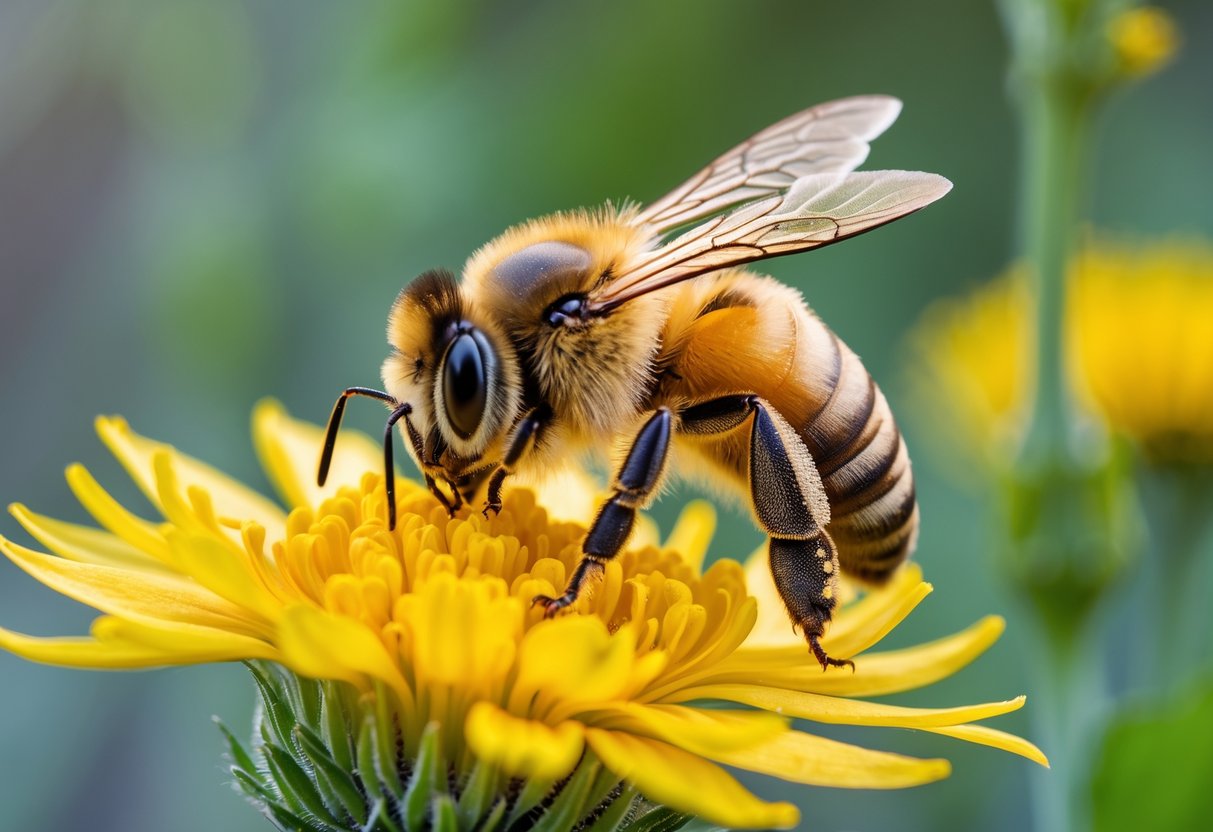
Honey bees sting mostly to protect their hive or themselves. If you stay calm and avoid quick movements near a bee or its hive, you’ll probably be fine. It helps to know why and when they sting, so you can stay safe and enjoy being outside.
Learning a bit about honey bees might change how you react when you see one. If you know what sets them off, you can avoid most stings and maybe even feel a bit more chill around them. For more, check out Do Honey Bees Sting You? Why They Do and How to Avoid It.
Do Honey Bees Sting Humans?

Honey bees can sting, but they usually only do it if they feel threatened. Their sting is really just a defense move to protect their hive—not some random attack on people. If you understand their reasons, you’ll have a better shot at avoiding bee stings.
Why Honey Bees Sting
Honey bees sting to defend their hive and queen. When they sense danger nearby, they get alert and might sting to protect their home.
Sometimes, you might step on one by accident or get too close to their flowers, and that’s when they might sting. It’s not about being mean or aggressive.
Since honey bees die after stinging, they really don’t want to do it unless they have to. Their main goal is to warn or protect, not attack. Moving slowly and staying calm helps you avoid trouble.
How Honey Bee Stings Happen
A honey bee’s barbed stinger gets stuck in your skin when it stings. This design hurts the bee much more than you, since the bee can’t pull the stinger back out.
The stinger stays in your skin and keeps injecting venom. You’ll feel sharp, burning pain right away.
The venom causes redness and swelling at the spot. Sometimes it itches, and the swelling can last a few days.
Warning Signs and Defensive Moves
Honey bees usually give you a heads up before stinging. If you hear them buzzing louder or see them zipping around you, they’re basically telling you to back off.
They might bump into you or fly in a zigzag pattern as a warning. If you start swatting at them, they’ll feel threatened and might sting.
Slow, calm movements make a big difference. Also, try not to wear strong perfumes or really bright colors, since bees love those and might get defensive if you’re too close.
What Happens to Honey Bees After Stinging
After a honey bee stings, its barbed stinger gets stuck and rips away from its body as it tries to fly off. That injury kills the bee pretty quickly, since it can’t survive without its stinger and attached organs.
This act of self-sacrifice is unique to honey bees and helps protect their colony. The stinger left behind keeps pumping venom, which just adds to the pain.
If you remove the stinger fast, you can cut down the amount of venom and make the sting hurt less.
Want to know more? Check out Can Honey Bees Sting Humans Safely?
Reactions and Effects of a Honey Bee Sting

When a honey bee stings, it injects venom into your skin. This causes pain, swelling, and sometimes other reactions.
Typical Bee Sting Symptoms
Most folks feel pain right away. You’ll see redness, swelling, and probably some itching around the spot.
The area might feel warm or tender for a while. Sometimes, swelling spreads more than you’d expect—get stung on a finger, and your whole hand might puff up.
Quick first aid, like pulling out the stinger and using ice, helps a lot. Most mild reactions aren’t dangerous, just annoying.
Allergic Reactions and Anaphylaxis
Some people react more strongly than others. Allergic reactions can bring hives, trouble breathing, or swelling in your throat or face.
Anaphylaxis is the most serious reaction you can get from a bee sting. It can hit fast and make it hard to breathe or keep your blood pressure steady.
If that happens, you need emergency help right away. Doctors usually use epinephrine injections to treat this and save lives.
Chemical Components of Honey Bee Venom
Honey bee venom—people also call it apitoxin—packs in several chemicals that set off symptoms. The most notorious is melittin, which goes after your cells and brings on pain and swelling.
You’ll also find histamine in the mix. That one kicks your immune system into gear, causing itching and redness. These compounds combine forces and give you the classic sting reaction.
When a bee stings you, it leaves its barbed stinger behind in your skin. The stinger keeps pumping venom for a bit, and the bee doesn’t survive the process.
If you pull out the stinger quickly, you can help stop the venom from spreading as much.
Curious about honey bee stings and their behavior? You might want to check out this page: Will Honey Bees Sting You? What You Need to Know About Their Behavior.


