
Bees are pretty fascinating little creatures, honestly. But why do they decide to sting you in the first place? Bees sting mostly when they feel threatened or provoked—so if you bump into their hive, wear flashy colors, or smell strongly of something floral, you might catch their attention. Just knowing this makes it a lot easier to avoid getting stung, and you don’t have to panic every time you hear a buzz nearby.

Ever notice how some people seem to attract bees more than others? It usually comes down to scents like perfume, shampoo, or even sunscreen, plus sugary drinks or sticky hands. If you pay attention to what draws bees, you can actually relax more outside.
Want to keep bees at bay? It helps to know what really sets off their stinging behavior. Once you get it, you might find your outdoor adventures a lot less stressful.
What Attracts a Bee to Sting You?

Bees sting to protect themselves or their home. Stuff like your scent, the colors you wear, and how you move can make bees feel either threatened or just plain curious.
Bee Defense Mechanisms and Why Bees Sting
Bees defend themselves or their hive by stinging. If they sense danger near their nest, they’ll sting to keep the queen and colony safe.
Only female bees have stingers, and they inject venom when they sting. Honey bees die after stinging because their stinger gets stuck and rips out part of their body.
That sacrifice warns other bees of a threat nearby. Most people get pain and swelling from a sting.
If you disturb a bunch of bees, you’ll probably get stung. Staying calm and moving slowly lowers your chances.
Triggers: Scents, Colors, and Movements
Bees love bright colors and sweet, floral scents because they’re always searching for nectar. When you wear bright clothes or strong perfume, bees might get interested or even a bit aggressive.
Fast, jerky movements around bees can freak them out. If you wave your arms or try to swat them, they’ll defend themselves by stinging.
Try to move slowly and calmly if bees are around. Watch your step—accidentally stepping on a bee can make it sting too.
Keep food and sugary drinks covered outside. Sweet stuff really attracts bees.
Bee Sting Communication and Alarm Pheromones
When a bee stings, it releases an alarm pheromone. This chemical tells other bees there’s danger.
That pheromone smells kind of musky or piney to us, but for bees, it’s a big deal. More bees might rush over and get aggressive fast.
If you get stung near a hive, leave the area slowly. Don’t run or swat at them, since that spreads the alarm and could make things worse.
If you pay attention to these signals, you’ll have a better shot at avoiding a swarm. Curious about how bees use alarm signals? Check out why bees release alarm pheromones.
Different Stingers and Sting Reactions
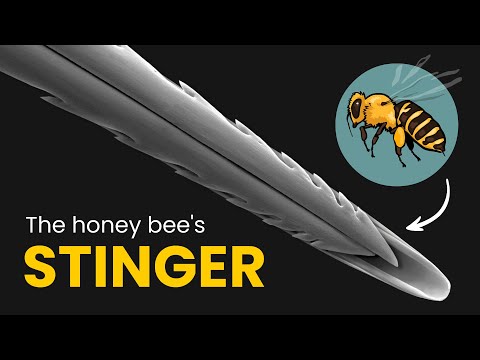
Bees and other stinging bugs have different types of stingers. That affects how they sting and what happens after.
Their venom usually causes mild pain, but for some people, it can trigger serious allergic reactions. Knowing the difference helps you know what to expect if you get stung.
Barbed vs. Smooth Stingers
Honeybees have barbed stingers. When they sting, the stinger gets stuck in your skin and breaks off, pumping venom for a few minutes.
That’s why honeybees die after stinging. Bumble bees and many wasps, on the other hand, have smooth stingers.
They can sting you more than once because they pull their stinger out without a problem. Wasps are usually more aggressive and can sting repeatedly.
If you know what stung you, you’ll know if the stinger needs to be removed fast or if you should watch out for more stings.
Bee Venom and Allergic Reactions
Bee venom causes pain, redness, and swelling where you got stung. For most people, this goes away in a few hours.
Some folks are allergic and can have a dangerous reaction called anaphylaxis. That needs immediate medical attention.
Anaphylaxis can make it hard to breathe, cause swelling in your face or throat, and drop your blood pressure. If you know you’re allergic, keep an epinephrine auto-injector (like an EpiPen) handy.
If you’re not allergic, just clean the area, use ice for swelling, and maybe take a pain reliever. Keep an eye out for worsening symptoms, especially if you get stung more than once.
Identifying Bees, Wasps, and Bumble Bees
Honeybees look pretty small and fuzzy, usually brownish with stripes. They’ll probably only sting if you mess with them or their hive.
If a honeybee stings, it dies. That’s a rough deal, honestly.
Bumble bees? They’re bigger and a lot hairier, with a rounder body shape. Their stingers are smooth, so they can sting more than once.
Still, bumble bees don’t usually go looking for trouble like wasps do.
Wasps stand out—they’re thin, shiny, and show off those bright yellow and black stripes. People find them aggressive for a reason.
If you provoke a wasp, it can sting you multiple times and might even chase you. Honeybees and bumble bees won’t do that.
If you can tell which insect is buzzing around, you’ll probably feel less panicked. Plus, you can avoid doing something that gets you stung.


