
Ever been stung by a bee and spotted a tiny sharp bit left in your skin? You’re not alone. Honeybees leave their stinger behind because their barbed stingers get stuck, so they lose the stinger and, sadly, end up dying.
Other bees, like bumblebees, don’t have this problem. Their stingers are smoother, so they can sting over and over without leaving anything behind.

It helps to know which bees leave their stinger and why. If you get stung, you’ll want to remove the stinger quickly to cut down on pain and swelling.
This little detail? It can make a big difference next time you’re near buzzing bees.
Why Bees Leave Their Stinger in You
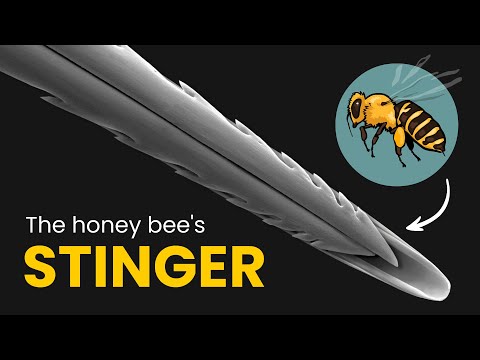
Sometimes after a bee sting, you’ll see the stinger stuck in your skin. That happens because of how the stinger is built, the differences between bee species, and the role of female worker bees.
How the Structure of the Stinger Causes It to Stay
Honeybee stingers have tiny barbs. These barbs dig into your skin when the bee stings.
The barbs catch and hold tight, so when the bee tries to leave, the stinger stays put. The bee pulls away, but the stinger—and even some of the bee’s insides—remain behind.
That’s why honeybees die after stinging. It’s a rough deal for them.
The barbed stinger makes it almost impossible to just pull out. You need to scrape it out quickly so you don’t get more venom.
This setup is unique to honeybees, which explains why they can only sting once.
Differences Among Bee Species and Stinger Retention
Not all bees leave their stinger in you. Honeybees are famous for this, thanks to their barbed stingers.
Bumblebees, on the other hand, rarely leave their stinger behind. Wasps and hornets have smooth stingers. They can sting over and over because their stinger doesn’t get stuck.
Some bees, especially males, don’t even have a stinger. So, whether you end up with a stinger in your skin really depends on the bee.
Why Only Female Worker Bees Sting
Only female worker bees can sting. The stinger is actually a modified egg-laying organ, so males don’t have one.
Workers defend their hive with their stingers. When a worker bee stings a big animal like a human, the barbs get stuck and the bee pays the ultimate price.
This sacrifice helps protect the colony. Nature can be harsh, right?
If you’re curious, you can read more about bee stings at irescuebees.com.
What Happens After a Bee Sting and How to Respond
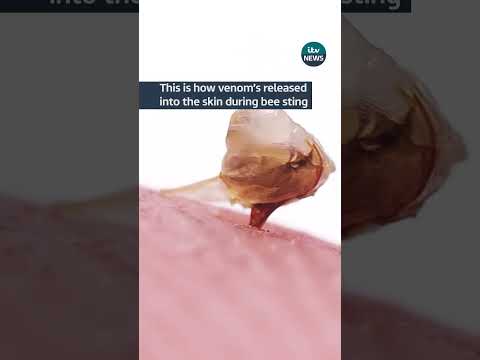
When a bee stings you, the barbed stinger often stays in your skin and pumps in venom. This causes pain, redness, and swelling fast.
If you know how to remove the stinger and treat the area, you’ll feel better and lower your risk of infection.
Immediate Effects and Venom Injection
A bee sting injects venom right into your skin. You’ll feel sharp pain and a burning sensation immediately.
You might notice a red bump or some swelling. The venom can cause itching and redness that sticks around for a few hours.
In rare cases, some folks have a severe allergic reaction. Watch for trouble breathing, dizziness, or swelling in your face or throat.
Most bee stings feel a lot like wasp or hornet stings. Just remember, honeybees usually leave their stinger behind while wasps and hornets don’t.
Preventing Further Complications
Leaving the stinger in your skin lets more venom seep in, which makes things worse. Try to get the stinger out as soon as you can.
Don’t scratch or rub the sting—this can lead to infection. Keep the spot clean and don’t wear tight clothes over it.
If you’re allergic or the swelling spreads a lot, get medical help right away.
A cold pack on the sting can really help with pain and swelling.
Correct Stinger Removal Steps
Don’t grab the stinger with tweezers. Squeezing it might push in more venom.
Instead, use something with a flat edge—maybe a credit card or your fingernail—to gently scrape the stinger out.
Act fast. Try to remove it within a few minutes.
Once it’s out, wash the area with soap and water.
Safe Home Remedies and Treatments
Grab a cold compress or ice pack, wrap it in a cloth, and press it gently on the area. Keep it there for about 10 to 15 minutes to bring down swelling and pain.
You might want to take an over-the-counter pain reliever like acetaminophen if the pain bothers you.
Calamine lotion or a bit of hydrocortisone cream can help with itching and irritation.
Try not to scratch, even if it’s hard—scratching can actually make things worse.
If you notice the sting site turning very red, feeling warm, or oozing pus, it’s probably best to see a doctor. Those could be signs of an infection.


