
Ever feel like something’s biting you, but you just can’t see what it is? You’re definitely not alone here. Lots of folks get those mysterious itchy spots and wonder if they’re imagining things.
Usually, these invisible biters are super tiny bugs like dust mites, bed bugs, or no-see-ums. They’re experts at hiding in your home and can leave you with annoying, itchy marks.
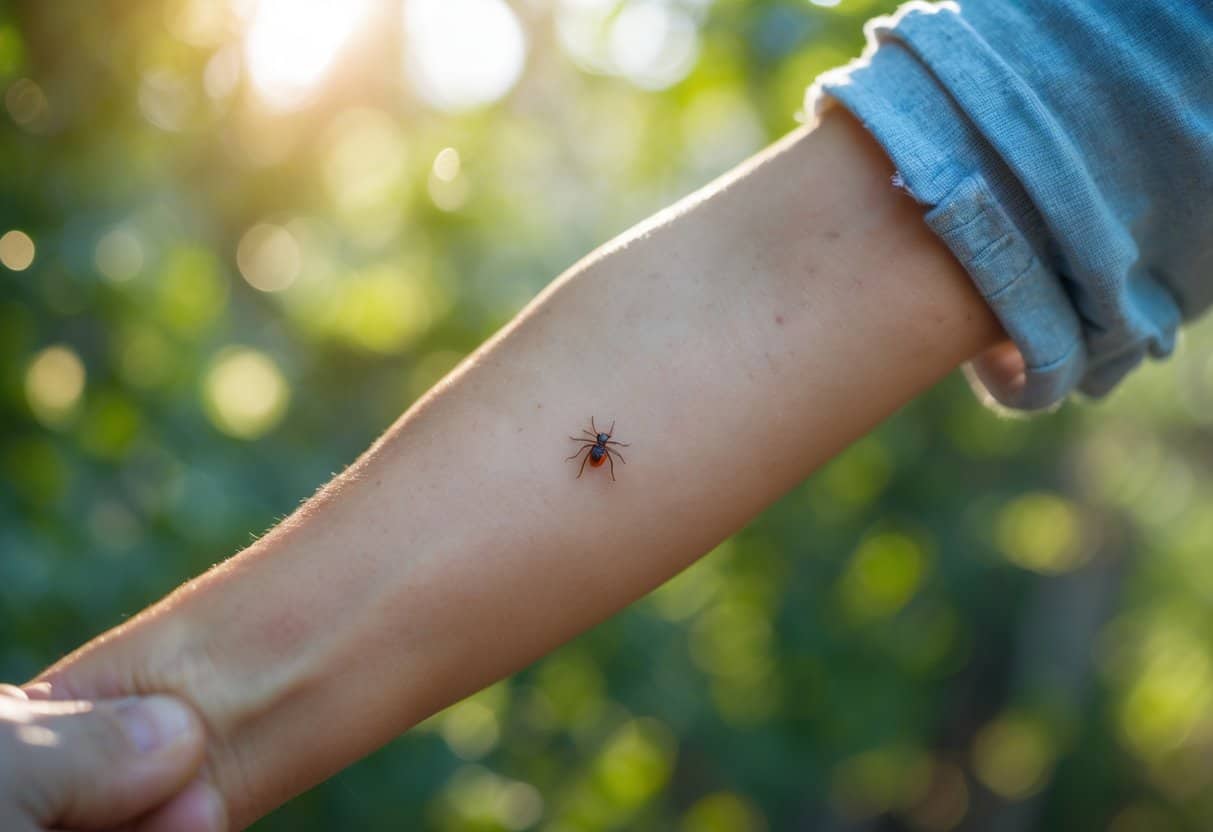
These little pests seem to love hanging out in your bed, hiding in furniture, or even clinging to your clothes. That makes them tough to find.
Sometimes, it’s not even bugs at all—skin irritation or allergies can feel just as itchy. But honestly, those tiny hidden bugs are usually behind most of the mystery bites.
Figuring out what’s biting you (or if it’s even a bug) can help you finally get some relief. Let’s talk about these sneaky insects and what you can actually do about them. Wouldn’t it be nice to stop scratching for good?
What Could Be Biting Me That I Cannot See?
If you’re getting bitten but can’t see any bugs, you’re probably dealing with tiny or hidden pests. Some of these creatures move fast or hide where you’d never think to look.
Honestly, a few are so small you’d need a magnifying glass to spot them.
Microscopic and Tiny Biting Insects
Some biting insects are so tiny you might not even realize they’re there. No-see-ums (also called biting midges or sand flies) come to mind—they’re those pesky little flying bugs that squeeze through window screens.
They leave behind itchy bites, usually on skin that’s uncovered.
Thrips can also irritate your skin, but their bites aren’t all that common. Sometimes, even the larvae of certain insects cause irritation, but good luck spotting them with the naked eye.
You might get red, itchy bumps from invisible bugs that hide out in your bedding, clothes, or dark corners. They’re practically ninjas.
Invisible Mites and Their Effects
Mites are another group that loves to bite without being seen. Scabies mites dig into your skin and cause some seriously intense itching and little bumps.
Other mites—think chiggers, bird mites, or rodent mites—bite and leave behind small red spots. Straw itch mites hang out in plant debris and might hitch a ride on you if you’re outdoors.
Some mites, like demodex or follicle mites, live on your skin all the time. They usually don’t bite, but if their numbers get out of hand, you’ll definitely notice some irritation.
You won’t spot these mites easily unless you’ve got a microscope handy. Their bites often get confused with allergies or other skin issues.
Unseen Fleas, Bed Bugs, and No-See-Ums
Fleas are small, but you can usually see them if you look closely—they’re about 1/8 inch long. They like to bite around your ankles in little clusters or lines, leaving itchy bumps.
Fleas jump around a lot and usually come from pets.
Bed bugs are sneaky. They hide during the day and crawl out at night to bite you while you sleep. Their bites show up in groups or lines on skin that’s exposed at night.
You might not see them, but they hide in furniture cracks and bedding.
No-see-ums are ridiculously tiny. They’re tough to spot, but their bites sting and itch, indoors or out. If you’re getting mystery bites, these guys could be the culprits.
Less Common Invisible Biting Arthropods
A few less common arthropods can also bite without being seen. Jiggers (or chigoe fleas) burrow into your skin and cause irritation, but you’ll mostly find them in tropical places.
Lice—whether head, body, or pubic—bite and make you itch, but you can spot them if you check hair or clothing seams.
Bird mites and rodent mites usually stick to animals, but if their hosts leave, they might go after you instead.
Straw itch mites often bite people working around farms or gardens. They’re so tiny you won’t notice them until you feel the bite.
So, if you keep feeling bites but can’t find any bugs, you might be dealing with any of these tiny, hidden creatures.
How to Identify and Manage Unseen Bites
If you’re getting bites you can’t see, pay attention to how your skin reacts. Try to protect yourself and also figure out if something else—like allergies—might be to blame.
Knowing when to ask for help can save you a lot of stress.
Common Symptoms and Skin Reactions
You’ll probably notice itching, little bumps, or welts on your skin. These show up in clusters or lines, especially where your clothes touch or around skin folds.
Sometimes, you’ll get redness or rashes that look a lot like eczema or contact dermatitis.
Watch out for irritation that just won’t go away. If your body reacts strongly, you might get hives or a bigger allergic reaction.
Try using anti-itch creams or oral antihistamines to calm things down. If your rash spreads or gets worse, it’s probably time to talk to a doctor.
Ruling Out Non-Insect Causes
Not every itchy bump means you’ve been bitten. Sometimes, eczema, contact with soaps or plants, or allergies cause similar reactions.
Think about whether you’ve switched detergents, changed lotions, or worn new clothes lately. If you’re itching everywhere but don’t see bites, an allergy or skin condition could be the real reason.
Keep a note of where and when you itch. It can help you figure out what’s really going on.
Prevention and Protective Measures
Insect repellents with DEET work well against most tiny bugs. Put repellent on your skin and clothes, especially if you’re outside.
Wear long sleeves and pants, particularly at dawn or dusk when invisible bugs are most active. Check your bedding and furniture often for any signs of pests.
Keeping your home clean and dry gives bugs fewer places to hide.
Use anti-itch creams to handle any bites you do get. And, as tough as it is, try not to scratch—scratching can lead to infections.
When to Consult Professionals
If you keep getting bitten and can’t figure out why, it might be time to call pest control. Professionals know how to spot sneaky bugs like mites or bedbugs that you might overlook, and they’ll help you get rid of them.
When your skin problems just won’t clear up—or they start getting worse—it’s a good idea to see a dermatologist. They’ll check if your symptoms come from bites or maybe something else like eczema or allergic dermatitis.
Want to dig deeper? Check out advice on managing bites and figuring out what’s causing them from sites like biologyinsights.com or browse pest guides at knowanimals.com.


