
Bees don’t just sting for no reason. They usually sting when they feel threatened or provoked—sometimes by bright colors, strong scents, or sudden movements.
You might not even realize that something you’re wearing or doing is catching their attention and making them defensive.
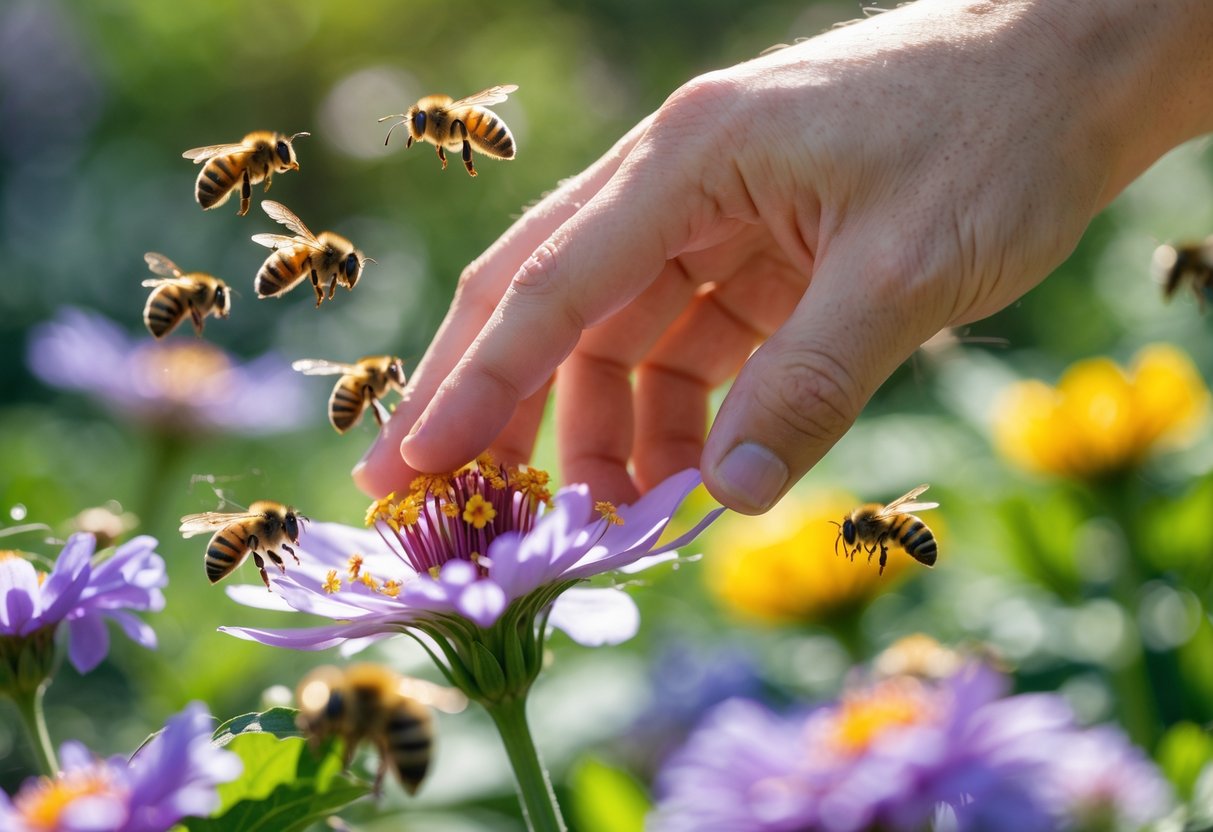
Maybe you’re wearing a sweet perfume, bright clothing, or just have a natural scent that reminds bees of flowers. Bees notice these things and sometimes come closer to check you out.
If they get scared or feel disturbed, they’re more likely to sting. It’s honestly helpful to know what draws bees in, so you can stay calm and avoid trouble.
What Attracts Bees to Sting Humans?
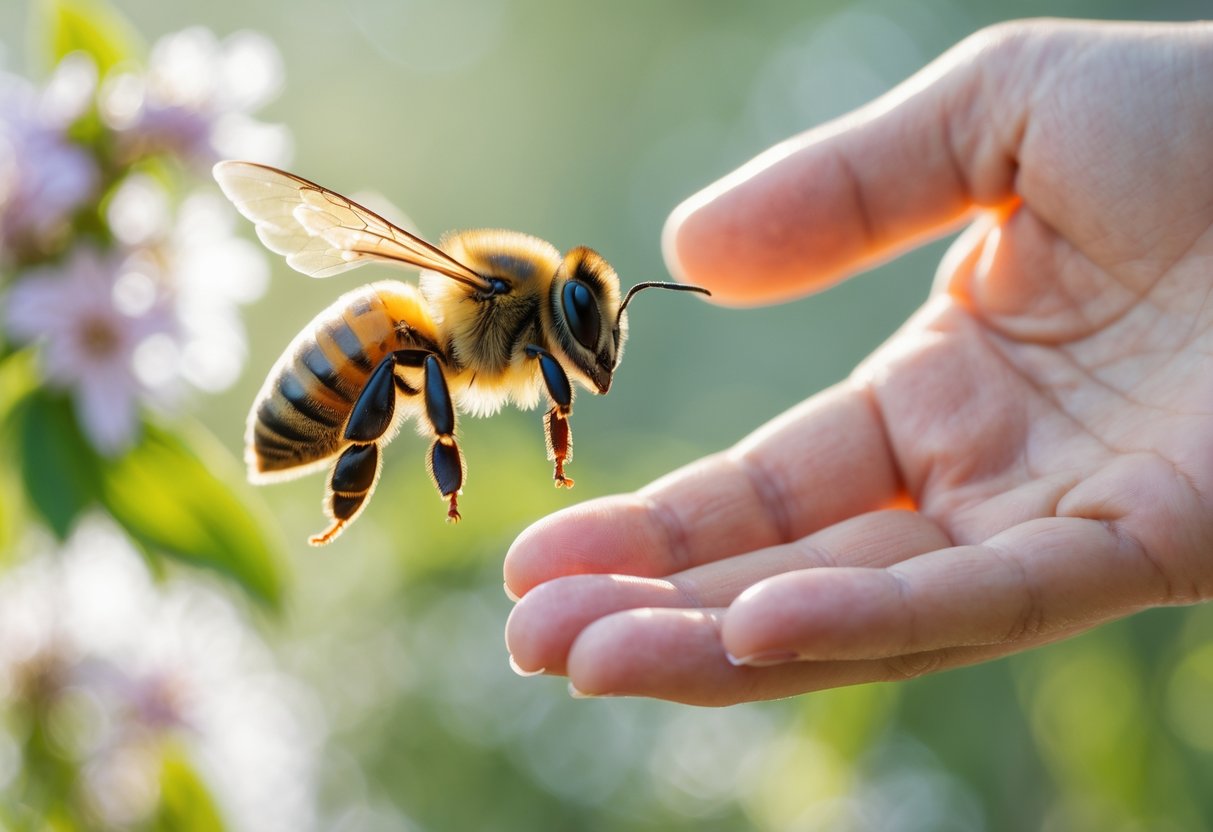
Bees don’t sting at random; they react to stuff around you—how you look, smell, or move. Your actions and surroundings send signals to bees, and sometimes that makes them want to defend themselves or their hive.
Perceived Threats and Defensive Behavior
Bees mostly sting when they feel threatened. If you get too close to their hive or mess with their food sources, worker bees might see you as a danger.
Quick, jerky movements like swatting can really set them off. Honey bees use their sting to protect the queen and the hive.
When a bee stings, it releases a chemical that calls other bees for backup. If you move calmly, you’re less likely to get stung.
Role of Scent, Perfume, and Sweat
Bees pick up on smells fast. Sweet perfumes, floral scents, or strong body odors can trick them into thinking you’re a flower with nectar.
Sweat can attract bees, too. After you’ve been active and sweating, you might notice more bees around.
If you want to avoid them, skip strong fragrances and shower before heading outdoors.
Impact of Colors and Clothing Choices
Bright colors—yellow, blue, white—really catch a bee’s eye. They remind bees of flowers, so they come closer to check things out.
Oddly enough, dark colors can also make bees defensive. Sometimes they see dark shades as threats, like predators.
Wearing light-colored, smooth fabrics is a safer bet. Try not to wear flashy or patterned clothes if you want bees to leave you alone.
Importance of Proximity to Nests and Food
Bees defend their nests pretty fiercely. If you wander near a hive, your chances of getting stung go up.
This is especially true with honey bees, who really guard their queen. You might not always spot the nest, so watch out in gardens or near wildflowers.
Bees also love food, especially sugar and nectar. Eating sweet snacks or sipping drinks outside can bring them in.
Keep food covered and clean up after eating to avoid attracting bees.
Differences Among Stinging Insects and Their Sting Mechanisms
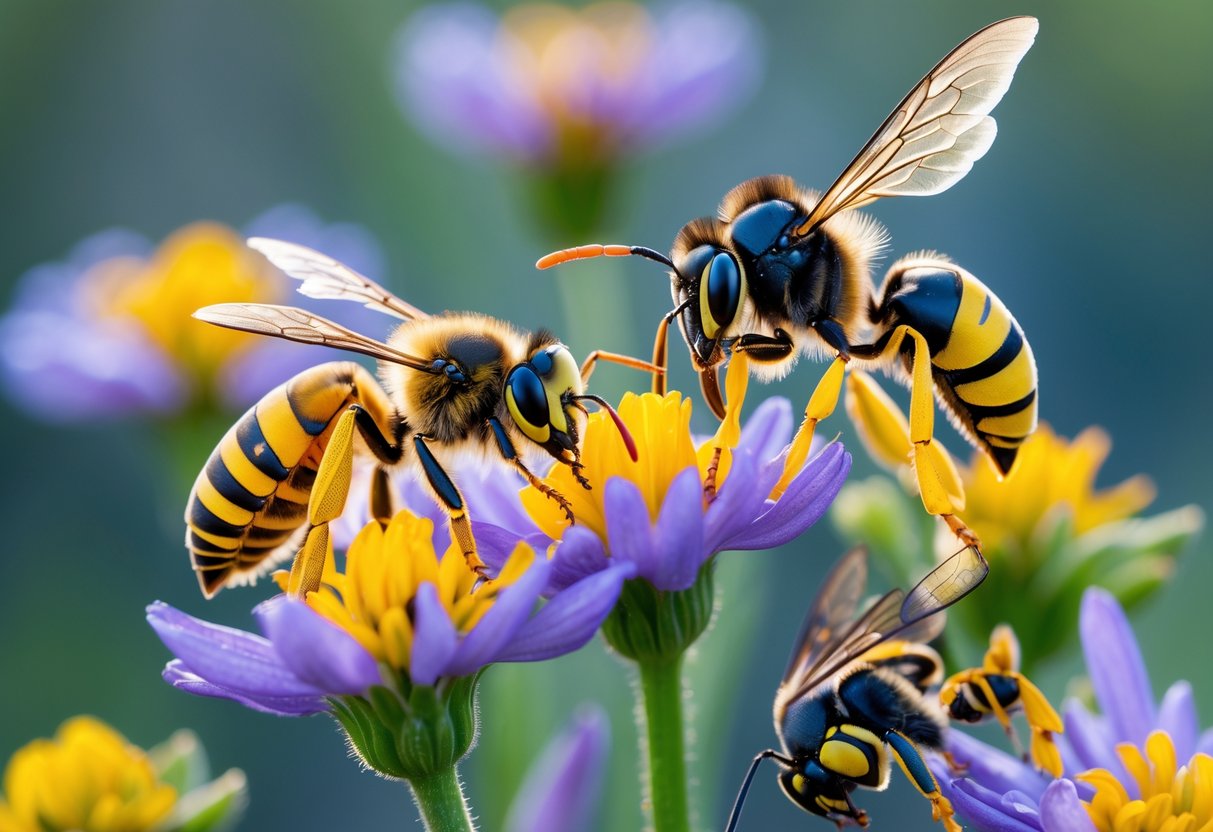
Bees and wasps defend themselves in different ways. Their stingers and behaviors don’t all work the same.
Knowing how they sting can help you handle run-ins with them a bit better.
Honey Bees: Barbed Stingers and One-Time Stings
Honey bees have barbed stingers. When they sting, the stinger gets stuck in your skin.
As the bee pulls away, the stinger and part of its body tear off, and unfortunately, the bee dies soon after.
Because of this, honey bees can only sting once. The barbs release venom for a short time even after the stinger breaks off.
If you see a small, sharp object left behind, it’s a good idea to remove it quickly to ease the pain.
Female worker bees do the stinging, but male bees (drones) can’t sting at all. Honey bees really just want to protect their hive—they’re not out to get you.
Bumble Bees and Wasps: Smooth Stingers and Multiple Stings
Bumble bees and wasps have smooth stingers. This lets them sting you more than once without hurting themselves.
They don’t lose their stinger after attacking, so they can keep going if they feel threatened.
Bumble bees and wasps use their sting to inject venom quickly. Wasps, in particular, tend to be more aggressive than bumble bees.
Their stings can hurt just as much, and for some people, wasp stings can cause stronger allergic reactions.
Alarm Pheromones and Group Reactions
When some stinging insects feel threatened, they release alarm pheromones. These chemicals basically tell other bees or wasps nearby, “Hey, let’s attack.”
Let’s say a honey bee stings you—it leaves behind a scent that can draw in more bees. That’s why messing with a hive can end up with you getting stung a bunch of times.
Wasps and bumble bees do this too, sending out their own alarm signals. They’ll often swarm together if they sense danger.
If you want to avoid getting swarmed, try to stay calm and back away slowly. Swatting at them usually just makes things worse.
Curious about how bees and other insects defend themselves? Check out What Bees Sting With: Understanding Bee Defense Mechanisms.


