
You might be surprised, but bees can sense changes that feel a lot like sadness. They don’t really experience sadness the way we do, but bees show stress and mood shifts that affect how they act and make choices.
If a bee goes through something tough—maybe a threat or a bad experience—it’ll act more cautiously or even pessimistically. That hints their internal state changes depending on what happens to them.
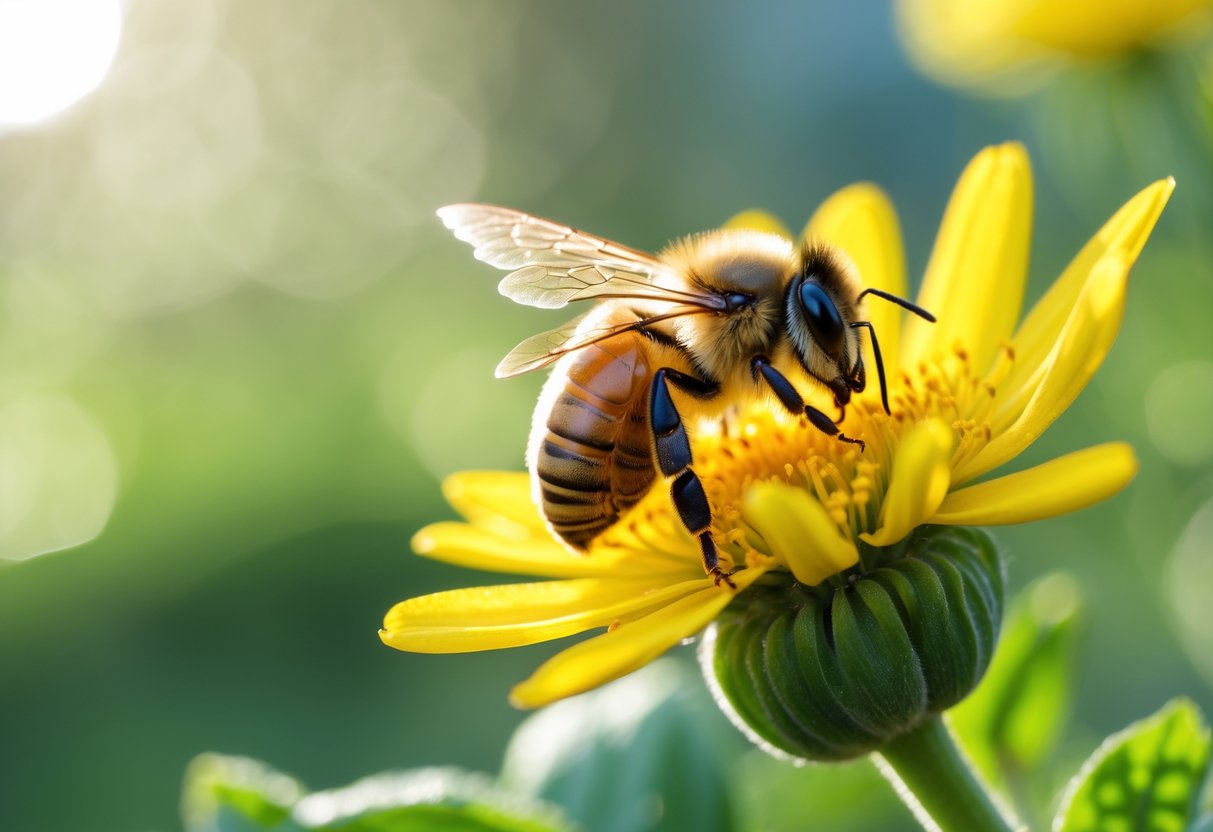
When you think about it, bees are a lot more complex than just buzzing insects. Their reactions to stress and uncertainty suggest they’ve got feelings that shape what they do.
This really changes how we might treat bees and consider their wellbeing. Learning how bees respond to stress can help you see them in a new light—not just as tiny creatures flying around, but as living beings with moods that matter.
Scientists are starting to support this idea, so the question of whether bees sense sadness is actually a fascinating topic. If you’re curious, check out this article about bees and emotions for more.
Can Bees Sense Sadness? The Science Behind Emotional Responses
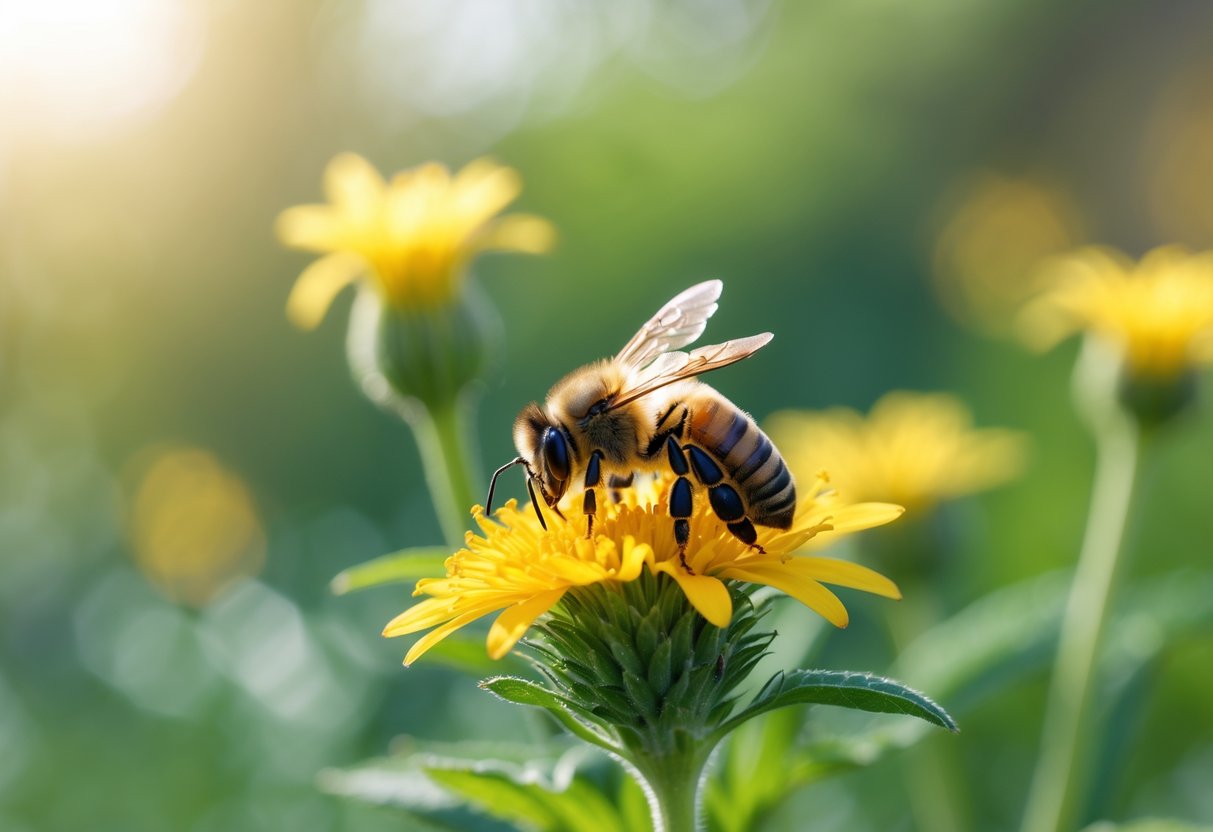
When bees face stress or tough situations, their behavior and brain chemistry change. These shifts look a lot like what we’d call sadness or pessimism.
You can dive into the experiments done on bees, see how their brain chemicals affect their feelings, and learn how bumblebees react emotionally.
Behavioral Studies On Stress And Pessimism In Bees
When bees go through stressful events, they start making poor decisions and show signs of pessimism. If bees deal with negative situations, they respond more slowly to positive cues, almost like they expect things to go wrong.
Researchers saw these behaviors in experiments where they shook bees or withheld food. The bees acted less hopeful and moved around less, which makes it seem like they hit an emotional low.
This helps you realize bees don’t just react automatically. They seem to have mood-like states that impact what they do.
Neurochemistry Of Bee Emotions: Dopamine And Serotonin
Inside a bee’s tiny brain, chemicals like dopamine and serotonin actually play big roles. Dopamine connects to reward and pleasure, while serotonin ties to mood and stress.
When bees get rewards, their dopamine jumps up, and they seem happier and more motivated. Under stress, serotonin shifts, and bees act more cautious or slow down.
These changes in brain chemistry explain why bees show emotional responses. It’s not just guesswork—scientists can measure these changes and see how they match up with bee behavior.
Bumblebees And Emotion-Like States
Bumblebees show behaviors that suggest they feel emotion-like states too. After stressful experiences, they make more negative choices, showing a kind of pessimism.
Because bumblebees are easier to study in labs than honeybees, it’s clearer how stress changes their behavior. Even with their small brains, bumblebees show mood changes that probably help them adapt to their world.
Their reactions seem close enough to emotions like sadness or stress that you have to wonder if they’ve got a simple emotional life. Insects might be a lot more complicated than we thought.
Bee Sentience, Pollination, And The Impact Of Human Activity

Bees aren’t just busy insects—they show signs of complex thinking and maybe even emotions. They play a huge role in pollination and support tons of crops, but their health is under threat from changes we make to the environment.
This section digs into how bees think, what affects their colonies, and why all of this actually matters.
Evidence For Bee Sentience And Cognition
Bees learn from their surroundings and remember where food is, which shows they’re pretty smart. Researchers like Lars Chittka studied how bees make decisions based on taste, like picking out sucrose in flowers, which is crucial for their feeding.
Stephen Buchmann, in What a Bee Knows, points out that bees solve problems and even communicate through dances. Some studies suggest bees might feel pain or sadness, hinting at sentience—the ability to experience feelings.
If that’s true, it really changes how we should treat and care for them.
Colony Collapse Disorder And Emotional Well-Being
Colony Collapse Disorder (CCD) hits when lots of bees suddenly leave or die, and the hive fails. Pesticides, habitat loss, and disease all play a part in this problem.
When bees get stressed or sick, their behavior shows distress, and that can affect the whole colony’s well-being. If bees are “sad” or stressed, it might even impact pollination—so your food supply could be at risk.
Ethical Implications For Bee Conservation
If bees really do feel things, then the way you treat them matters a lot more than you might think. When you use pesticides or tear up their habitats, you could be hurting living beings that actually experience pain or stress.
Maybe it’s worth looking into eco-friendly farming. You could support efforts that cut down on habitat loss, too.
That way, bees get a better shot at doing what they do best—pollinating the fruits and veggies you probably eat every day. Honestly, looking out for bees isn’t just about protecting crops; it’s about showing a little respect for these clever, tiny creatures and their role in the world.
Want to see how human activity impacts bees?


