
Ever wondered when bees act up the most? Knowing the answer can honestly help you dodge a painful sting and enjoy your time outside a bit more. Bees—especially honeybees—get the most aggressive between 10 a.m. and 4 p.m. That’s when they’re out collecting nectar and pollen, busy and on high alert.
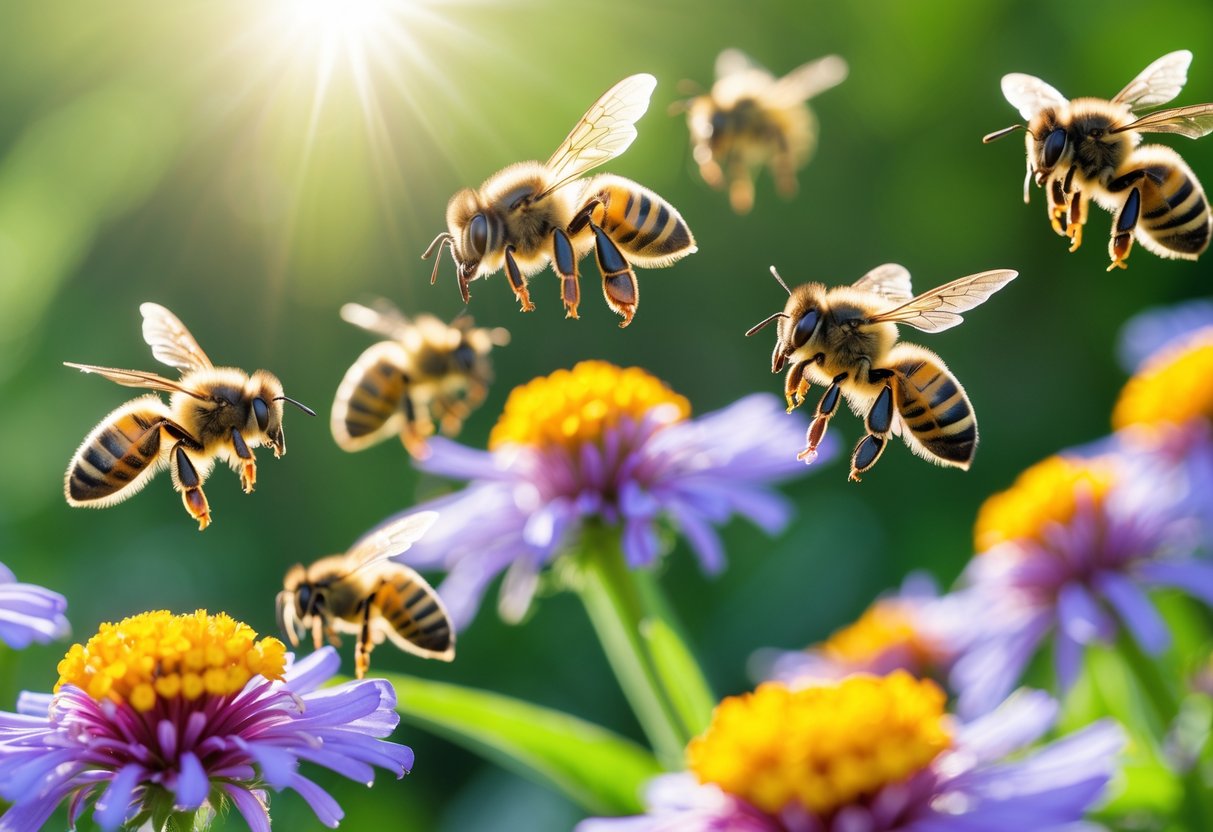
You’ll notice bees buzzing around with extra energy during the hottest part of the day, when sunlight’s strong and temperatures climb. Early mornings and evenings? Bees usually take it easy then, resting up for the next round. If you keep that in mind, you’ll probably have a more relaxed time outdoors.
If you know when honeybees get protective, you can avoid bugging them. Give them space during their peak hours and you’ll lower your chances of getting stung. For more info, here’s a handy article on when bees are most aggressive.
When Are Bees Most Aggressive?

Bees ramp up their activity and defensiveness depending on the time of day, the weather, and what’s going on around them. You’ll see them get really busy—and protective—when they collect nectar or feel like their colony’s in danger.
Peak Activity Periods and Time of Day
Bees act the most aggressive between 10 a.m. and 4 p.m. That’s their main foraging window, when they’re out looking for food. Sun’s high, temperatures are up, and bees just seem more sensitive to anything that feels like a threat.
In the early morning, bees gather food quietly and don’t seem to care much about visitors. As the day heats up, they get a lot more protective of their resources and hive. If you want to avoid trouble, maybe steer clear of bees in the afternoon, when they’re most on edge.
Role of Circadian Rhythms in Aggression
Bees follow internal clocks called circadian rhythms that guide their daily routines. These rhythms tell bees when to wake up, forage, and rest. Their aggression actually links up with these rhythms and gets stronger when they’re most active.
So, during their peak hours, their rhythms make them extra alert and ready to defend. When the sun starts to set, those rhythms signal bees to wind down and head back to the hive. If you pay attention to that cycle, you can guess when bees might get feisty while you’re outside.
Influence of Sunlight and Temperature
Sunlight and temperature really shape bee behavior. As the day heats up, bees get busier and more alert. Warm weather helps flowers pump out more nectar, so bees hustle even harder.
When temperatures climb, bees guard their pollen and honey more aggressively. If you mess with them while the sun’s blazing, they’ll get agitated fast. Cooler mornings bring out calmer bees, since they’re just easing into their day.
Human and Environmental Triggers
Bees don’t go out of their way to attack unless they feel threatened. If you get too close to their hive or mess with their flowers, you might set them off. Loud noises, quick movements, or even your shadow can irritate them.
Other animals and sudden weather changes can also make bees edgy. Windy or rainy days push bees to shelter, and they can get cranky once they’re back at work. If you stay calm and move slowly, you’ll probably avoid upsetting them.
For more details, check this source on bee aggression times.
Factors Affecting Bee Aggression Throughout the Day
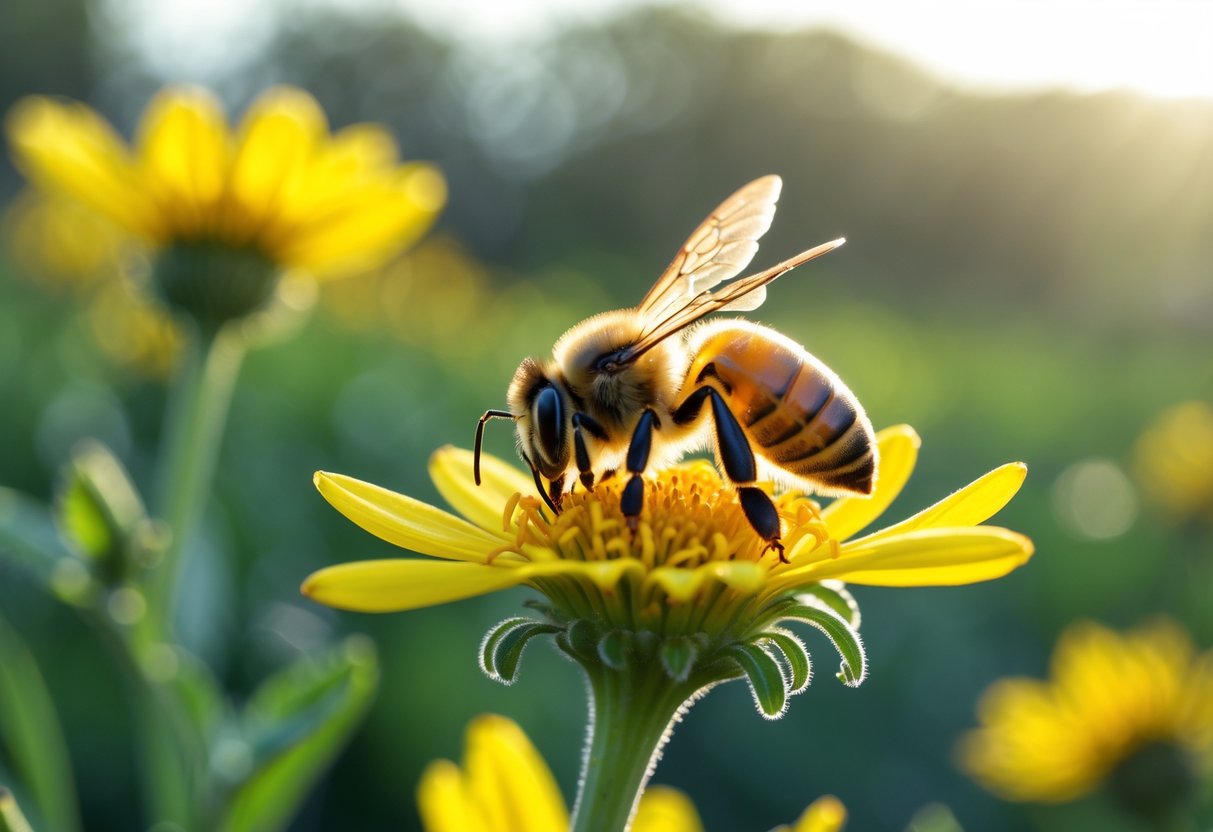
Bee aggression shifts depending on what’s happening around them and inside the colony. Things like temperature, food supply, and how bees interact in their nest all play a part in how defensive they get.
Weather and Environmental Changes
Warm, sunny days bring out more activity in bees, and sometimes more aggression too. When temperatures rise, bees fly out to collect nectar and pollen. Wind, rain, or sudden weather changes slow them down, so they hang out in the hive and don’t get as worked up.
If the weather suddenly turns cold or windy, bees can get jumpy. That makes them more likely to sting if they feel threatened. You’ll see bees on high alert between 10 a.m. and 4 p.m., especially when the sun’s out or it’s particularly warm.
Resource Availability: Nectar and Pollen
When there’s lots of nectar and pollen around, bees get more protective. Peak foraging usually happens from late morning through early afternoon, so there are more bees out and about, and they’re easier to disturb.
If food runs low, bees might get even more aggressive to defend what they have left. When flowers bloom and nectar flows, the colony works harder and guards its resources more closely. Bees get especially alert and defensive when they’re protecting these valuable supplies.
Nesting and Social Interactions
Inside the nest, each bee has a job that shapes how they act. Worker bees, guard bees, and the queen all help keep the colony safe and organized. If you come too close to the nest or disturb it, the guard bees will step in and defend their home.
Busy social interactions inside the hive keep everyone on their toes. When bees rush in and out collecting food or standing guard, even a small disturbance can trigger a bigger reaction. If you get how these social dynamics work, you’ll know when to steer clear to avoid sudden bee aggression.
Implications for Beekeeping and Safety
If you know when and why bees get aggressive, you’re way more likely to stay safe. Most beekeepers head out in the early morning or late afternoon, when bees just seem less interested in buzzing around or stinging anyone.
People use smoke to calm bees. The smoke messes with how bees talk to each other, so they’re less likely to get defensive.
Try not to make sudden moves or loud noises near a hive. That usually lowers your chances of getting stung.
Pay attention to the weather, what time it is, and how active the hive looks. It really makes a difference for your safety and the bees’ well-being, whether you’re keeping bees or just hanging out outside.
If you want to learn more about these factors, check out What Time of Day Are Bees Most Aggressive? and Tips to Stay Safe Outside.


