
Bees buzzing around your house can feel nerve-wracking, but honestly, there’s no reason to panic. Stay calm, bring everyone inside, and don’t mess with the bees. That’s usually the safest bet and gives you a minute to think.

Sometimes bees just pass through, but other times they might be scoping out a new place to live—maybe even in your walls or attic. Spotting their presence early and knowing what to do can protect your home and everyone inside.
It’s worth learning how to handle bees gently too. That way, you help the environment and keep your space safe.
If you understand why bees show up and how to keep them from settling, you can avoid a lot of hassle. A few simple steps really do go a long way for you and for these little pollinators.
Immediate Steps When Bees Are Around Your House
If you spot bees near your house, don’t freak out. Try to stay calm and figure out what kind of bees you’re dealing with and whether they’re a real threat.
Taking the right steps right away can keep you and your family safe. Sometimes, calling in the pros is just the easiest move.
Identify the Type of Bees Near Your Home
Start by watching the bees from a safe distance. Honeybees are small, kind of fuzzy, and usually fly in a chill, steady way.
They often gather in groups but won’t bother you unless you threaten them. If you see a big cloud or a ball of bees, you might be looking at a swarm.
Bee swarms sound scary, but they’re typically harmless—they’re just searching for a new home. Other bees or wasps can act more aggressively and sting if you get too close.
Try to figure out where the bees are coming from. Look for a hive on your walls, under the roof, or tucked into your garden plants.
If you know whether you’ve got honeybees or something else, it’ll help you decide what to do next.
Stay Calm and Keep a Safe Distance
When bees are around, staying calm is key. If you wave your arms or shout, you might set them off.
If you have to move near them, go slow and easy. Cover your face and hands if you must get close—especially if there’s a nest nearby.
Wearing long sleeves and pants can help you avoid stings. If someone in your home has a bee allergy, keep an emergency plan ready.
Don’t swat at bees. Just walk away quietly and let others know to steer clear too.
Assess for Bee Swarms or Hives
Take a look around for signs of a swarm or hive. A swarm looks like a clump of bees hanging from a tree or porch.
Most swarms don’t stick around for long and usually don’t cause any trouble. A hive, on the other hand, is where bees settle in for the long haul.
If you spot a hive on or inside your house, that can mean damage and a bigger risk of stings. Check for holes in walls or gaps around doors—bees love those sneaky spots.
If you find a hive tucked inside a wall or somewhere you can’t reach, don’t try to get rid of it yourself. Messing with a hive can make bees defensive in a hurry.
Contact Local Beekeepers or Bee Removal Services
Once you figure out what kind of bees you’ve got and whether there’s a swarm or hive, reach out to a local beekeeper or bee removal service.
Beekeepers can move swarms without hurting the bees. Removal pros will check your house, find out how the bees got in, and seal up those entry points after they’re gone.
Skip the pesticides or harsh chemicals—they’re bad for bees and not great for you either. Choosing safe removal helps the environment and keeps everyone healthier.
If you want more details, you can check out friendly tips to stay safe when bees are around your house.
Preventing Bees From Settling Near Your Home

You can keep bees—carpenter bees, bumblebees, honeybees—from moving in by sealing up entry points and getting rid of their favorite nesting spots.
A few natural tricks can also help keep them at bay. Little changes around the house and yard really do make a difference.
Seal Entry Points and Repair Structural Gaps
Bees sneak in through tiny cracks and holes in your walls, roof, or foundation. Check for gaps around windows, vents, doors, and chimneys.
Use caulk, weather stripping, or hardware cloth to close up those spots. Carpenter bees drill into wood, so inspect wooden siding, eaves, and decks for holes.
Fix any damaged wood and slap on some paint to make it less appealing. Keep an eye out for new gaps and patch them up fast—staying ahead of bees is easier than dealing with a hive in your wall.
Remove Potential Nesting Spots and Yard Debris
Bees love quiet, hidden places for their nests. Cut down on hiding spots by cleaning up leaf piles, old wood, and garden tools you’re not using.
Keep your lawn mowed and clear out tall grass or weeds near the house. Carpenter bees especially go for bare or weathered wood in shady areas, so take care of fences and outdoor furniture.
Trim bushes and trees so bees can’t easily reach your walls or roof. That way, you make it much harder for them to settle in.
Use Natural Deterrents and Landscaping Tips
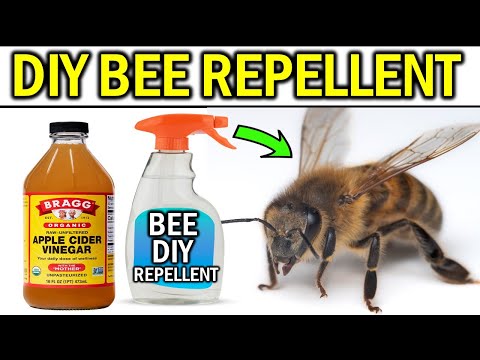
Some smells and plants can really make bees think twice about sticking around your yard. Cinnamon, vinegar, and citronella tend to send them packing without causing any harm.
Try planting eucalyptus, mint, or lemongrass near your doors and windows. These plants don’t exactly roll out the welcome mat for bees.
If you can, keep those bright flower beds away from your house. Honeybees and bumblebees can’t resist them, and who could blame them?
You might want to scatter mothballs or cotton balls soaked in essential oils near spots where bees might nest. It’s a simple way to set up a natural barrier.
These gentle tricks let you keep bees at bay while they go do their pollination thing somewhere else.
If bees still move in after all this, maybe it’s time to call a professional beekeeper for safe removal.
Want more ideas? Take a look at how to keep bees away from your house.


