
Ticks can cause anything from a small, temporary skin reaction to a serious tick-borne illness.
Most tick bites are harmless. Infected ticks can transmit bacteria, viruses, or parasites that lead to conditions such as Lyme disease, Rocky Mountain spotted fever, ehrlichiosis, or babesiosis.
Watch for an expanding rash, fever, severe headache, breathing trouble, unusual weakness, or other symptoms that develop in the days or weeks after exposure.
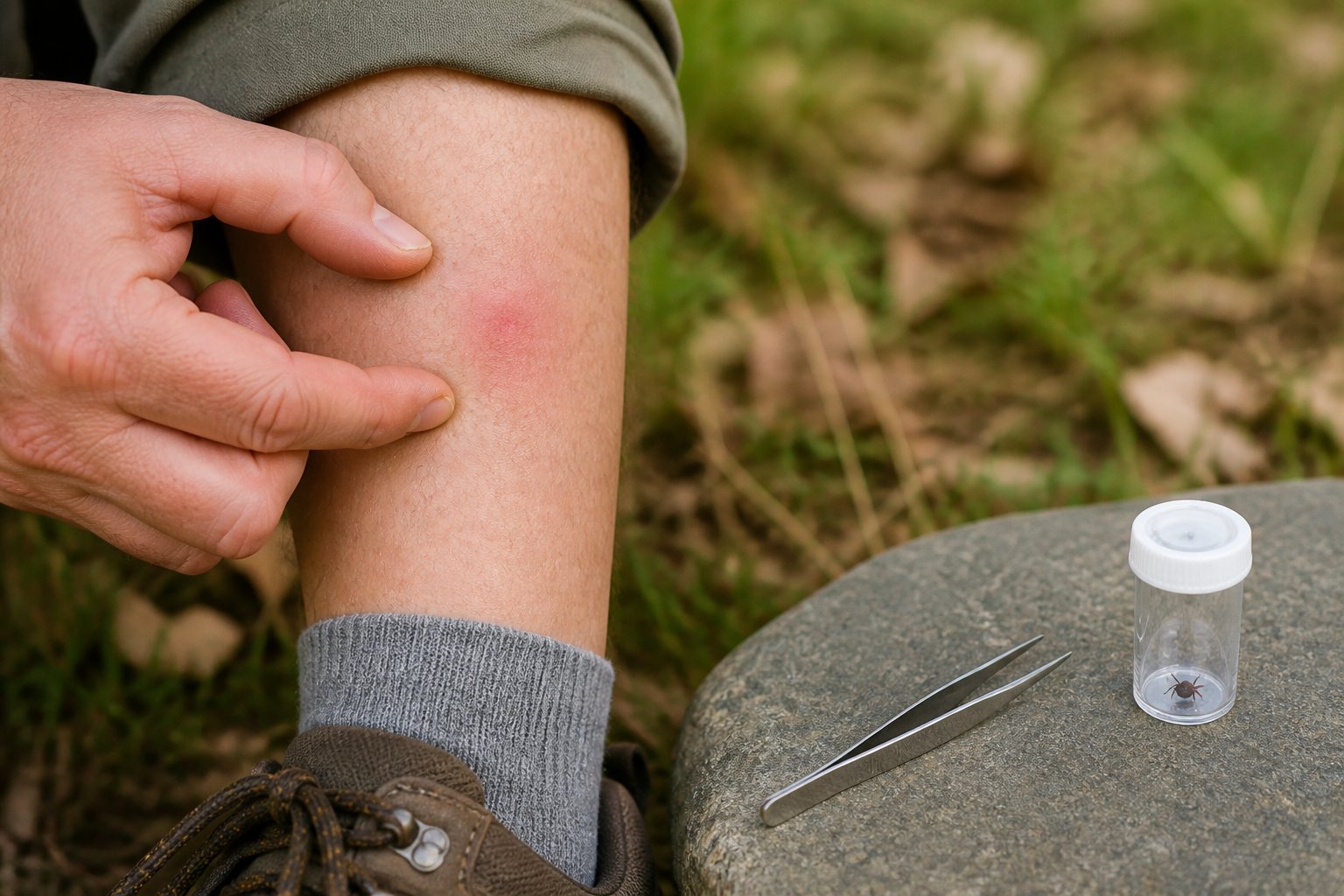
Your risk depends on the tick species, where you were exposed, how long the tick fed, and whether it carried a pathogen.
The Centers for Disease Control and Prevention notes that symptoms vary by illness. Record the bite date, location, and possible exposure area, then contact a healthcare professional if symptoms appear.
Immediate Reactions at the Bite Site
A tick bite may leave no noticeable mark, or it may cause a small bump, redness, itching, or swelling.
More serious immediate effects include allergic reactions and, rarely, tick paralysis caused by toxins in tick saliva.
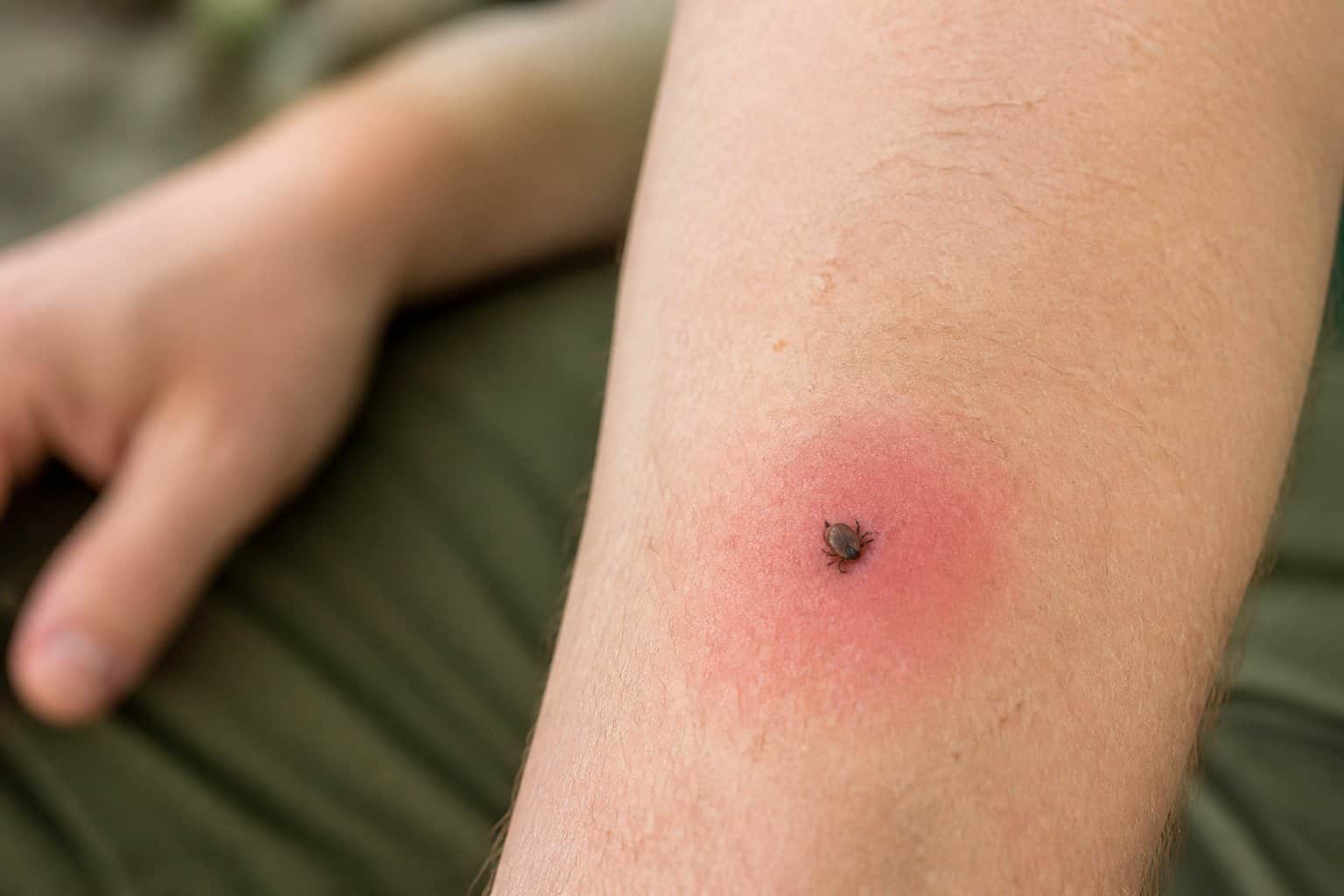
What a Typical Bite Mark Can Look Like
You may notice a small red or discolored bump resembling a mosquito bite.
Mild tenderness, itching, or localized swelling can occur within a day or two and often improves over several days.
Tick saliva can contain substances that reduce itching and inflammation, so you may not feel the bite when it happens.
A mark that stays small and gradually fades is more consistent with a local reaction.
Expanding redness, a new rash, or flu-like symptoms need medical evaluation because they can signal infection.
Allergic Reactions and Anaphylaxis
An allergic reaction may cause increasing redness, burning, swelling, blisters, or an itchy rash around the tick bite.
For mild symptoms, ask a healthcare professional or pharmacist whether an oral antihistamine such as diphenhydramine or an antibiotic cream is appropriate for you.
Seek emergency care for facial or throat swelling, widespread hives, dizziness, or shortness of breath.
These can indicate anaphylaxis, a medical emergency. Do not delay emergency treatment while trying to manage symptoms at home.
Tick Paralysis From Tick Saliva
Rarely, toxins in tick saliva can cause progressive muscle weakness, numbness, or tingling.
Symptoms may begin in the legs and move upward, potentially affecting speech, swallowing, or breathing.
Tick paralysis can resemble Guillain-Barré syndrome or botulism, so prompt medical assessment matters.
Removing the attached tick may stop toxin exposure, though breathing difficulty requires emergency care.
Symptoms That Can Signal a Tick-Borne Illness
Tick-borne illnesses may begin days to weeks after a bite, and you may not remember being bitten.
Fever, chills, headache, fatigue, muscle aches, joint pain, swollen lymph nodes, or a changing rash deserve attention, especially after time in a tick habitat.

Flu-Like Symptoms to Watch For
Early illness can feel like the flu, with fever, chills, fatigue, headache, muscle pain, nausea, and joint aches.
A severe headache, neck stiffness, confusion, or marked weakness is more concerning and requires prompt medical advice.
Symptoms can overlap among diseases caused by bacteria, viruses, parasites, and other pathogens.
Tell your clinician when and where you may have encountered ticks, even if you never saw one attached.
Rashes and Other Skin Changes
A rash may appear near the bite or elsewhere on your body.
Lyme disease can cause erythema migrans, often called an EM rash or bull’s-eye rash, though it does not always form a classic ring and some people develop no rash.
A rash that expands over several days, a widespread rash, or skin changes accompanied by fever should be assessed promptly.
Take a photo and note its size, shape, and date so you can describe how it changes.
Neurologic, Heart, and Joint Warning Signs
Facial weakness, numbness, tingling, severe headache, neck stiffness, confusion, or difficulty walking can indicate neurologic involvement.
Shortness of breath, fainting, chest discomfort, or an irregular heartbeat may signal heart complications.
Weeks or months later, recurring joint pain, swelling, or arthritis can occur with some infections.
Untreated Lyme disease, for example, may affect the nervous system, heart, or joints, as described by the Centers for Disease Control and Prevention’s Lyme disease guidance.
Diseases Associated With Tick Exposure
Ticks can carry different pathogens in different regions, so the likely illness depends partly on geography and tick species.
The CDC’s tick disease overview describes bacteria, protozoa, and viruses transmitted by ticks.
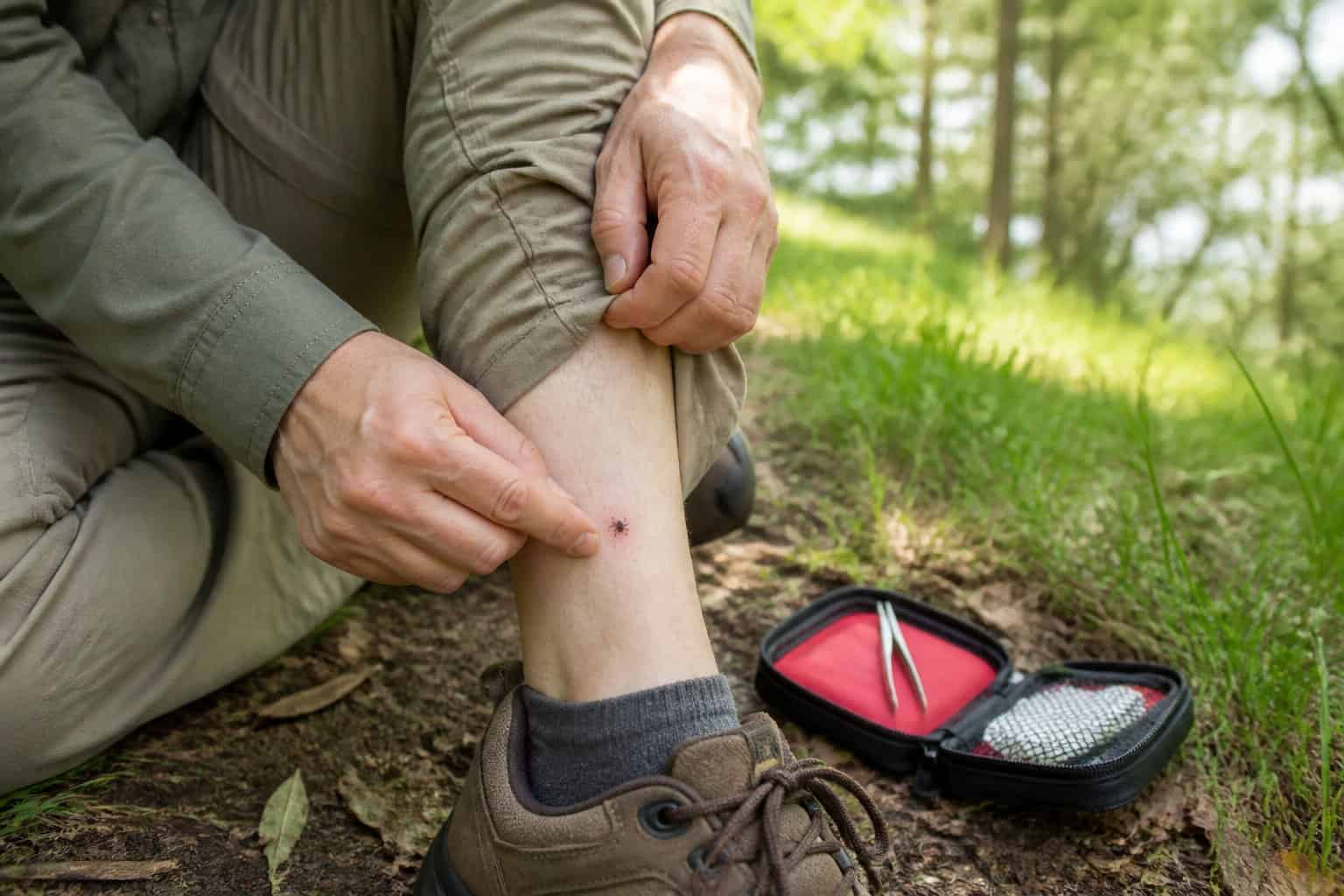
Lyme Disease and Southern Tick-Associated Rash Illness
Borrelia bacteria cause Lyme disease, and black-legged ticks, also called deer ticks, often transmit it.
Early symptoms may include fever, fatigue, headache, muscle aches, swollen lymph nodes, and erythema migrans.
STARI, or southern tick-associated rash illness, can cause an expanding rash after a lone star tick bite.
Its rash may resemble an EM rash, so describe the tick and exposure location to your clinician rather than assuming the diagnosis.
Spotted Fever, Ehrlichiosis, and Anaplasmosis
Rocky Mountain spotted fever, or RMSF, is a rickettsial infection that can cause sudden fever, severe headache, muscle aches, vomiting, and rash.
Prompt treatment is important because serious complications can develop quickly.
Ehrlichiosis, including infections involving Ehrlichia chaffeensis or Ehrlichia ewingii, and anaplasmosis, also commonly cause fever, chills, headache, fatigue, and muscle pain.
Mayo Clinic’s guidance on ehrlichiosis and anaplasmosis emphasizes prompt treatment when these illnesses are suspected.
Less Common Infections and Complications
Other tick-associated diseases include babesiosis, caused by Babesia parasites; tularemia, caused by Francisella tularensis; Colorado tick fever; Powassan encephalitis; Q fever, linked to Coxiella burnetii; and tick-borne relapsing fever caused by certain Borrelia species.
Possible complications include anemia, organ problems, inflammation of the brain, breathing problems, or heart involvement.
A healthcare professional may use your symptoms, exposure history, examination, and laboratory testing to guide treatment.
When to Seek Care and Lower Future Risk
You can reduce complications by recognizing emergency symptoms, removing an attached tick correctly, and preventing future bites.
Ticks are arachnids, including hard ticks in the family Ixodidae and soft ticks in the family Argasidae, and their risks vary by species and region.
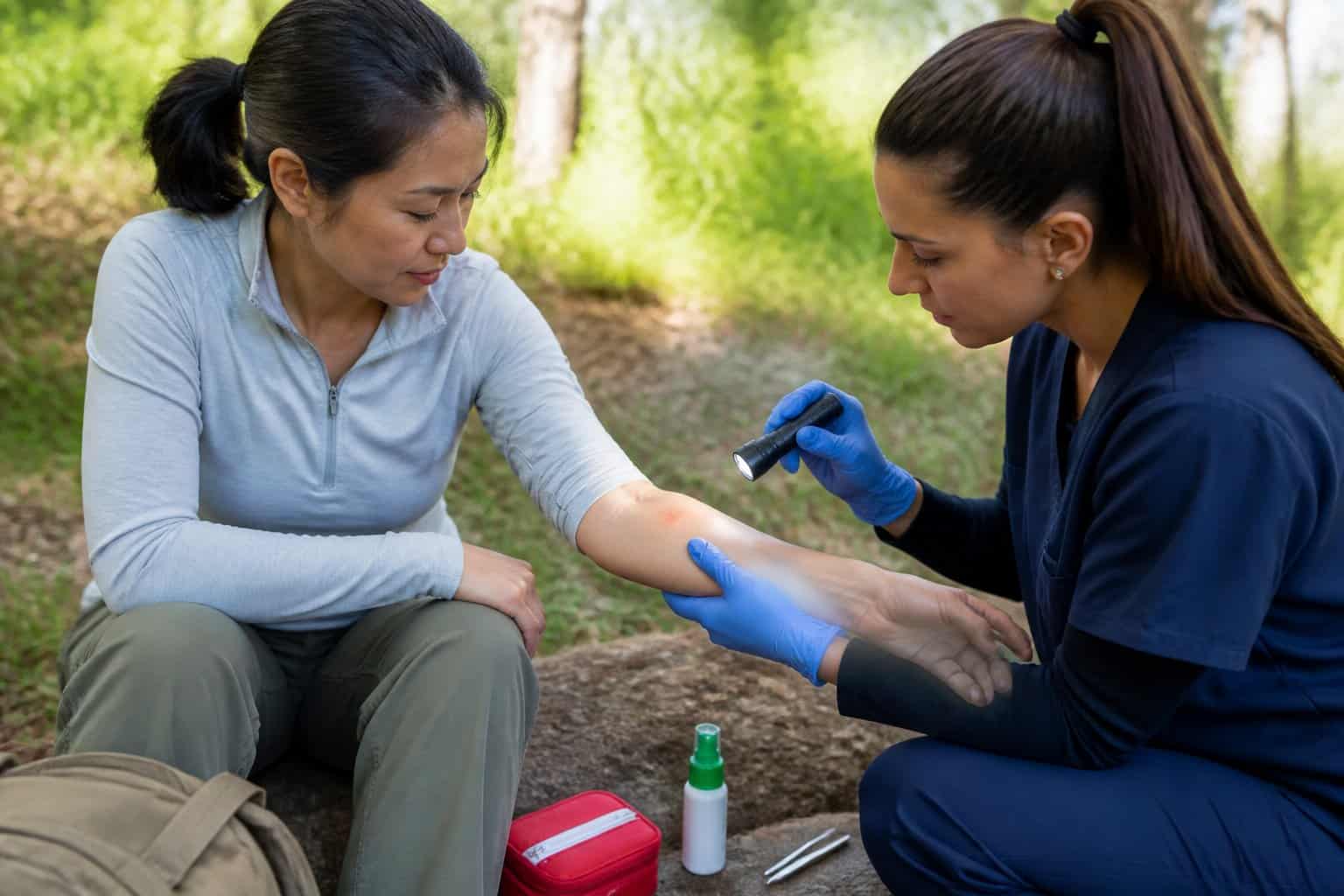
When Symptoms Need Prompt Medical Attention
Call emergency services for shortness of breath, throat swelling, fainting, chest pain, confusion, seizures, or rapidly progressing weakness.
Contact a clinician promptly for fever, severe headache, neck stiffness, an expanding rash, facial weakness, swollen joints, or symptoms that begin after a tick bite.
Do not wait for a bull’s-eye rash. Not everyone with Lyme disease develops one, and illnesses such as RMSF, ehrlichiosis, or anaplasmosis may worsen without early treatment.
Antibiotics may be recommended when a bacterial infection is suspected.
Safe Tick Removal and Bite-Site Care
Use clean, fine-tipped tweezers to grasp the tick as close to your skin as possible.
Pull upward steadily without twisting or crushing it, then clean the bite and your hands with soap and water or an antiseptic.
Save the tick in a sealed container if your clinician requests identification, and record the date and location of the bite.
Do not use petroleum jelly, heat, nail polish, or chemicals to force removal. If mouthparts remain, avoid repeated digging and ask a clinician for advice.
Reducing Exposure Outdoors
During tick season, especially spring and summer, wear long sleeves, long pants, and closed shoes in tall grass.
Stay in the center of trails. Use an insect repellent containing DEET as directed.
Treat clothing or gear with permethrin when appropriate.
After outdoor activity, check your skin, clothing, children, and pets.
Pay special attention to the scalp, hairline, ears, waist, groin, armpits, and behind the knees.
Shower soon after returning indoors. Remove ticks before they complete a blood meal to lower your risk.
Common regional ticks include lone star ticks, American dog ticks, Rocky Mountain wood ticks, brown dog ticks, and tiny seed ticks.


