
A tick bite and a flea bite can look similar at first, especially when the skin is already red or irritated.
The fastest way to tell the difference is to look at the bite pattern, where it appears, and whether a pest is still attached or nearby.
A tick bite usually shows a single attached bite site, while flea bites often appear as clusters of itchy bumps. That difference can help you decide what to do next.
Ticks and fleas both feed on humans, pets, and other animals. They leave different clues on the skin and in the environment.

How To Tell Them Apart At A Glance

What A Flea Bite Usually Looks Like
Flea bites are commonly tiny red bumps, often in clusters or short lines.
They usually itch more than tick bites and can become scabbed if scratched. A FastMed comparison notes that flea bites are often grouped and itchy, which matches the pattern many people notice first.
What A Tick Bite Usually Looks Like
Tick bite symptoms often start with a single red bump or mild redness where the tick attaches.
The bite may not itch much at all, and in some cases you may see the tick still attached. A spreading bullseye rash or erythema migrans can point to a tick-borne infection and deserves prompt medical attention.
Typical Body Areas Where Each Bite Appears
Flea bites often show up on ankles, lower legs, and around areas that come into close contact with infested pets, bedding, or carpets.
Ticks bite more often in hidden or warm spots, such as behind the knees, around the waistband, under the arms, behind the ears, and along the hairline after outdoor time.
Clues From The Pest And The Environment

Physical Traits Of Fleas And Ticks
Fleas are tiny, wingless insects that move fast and jump.
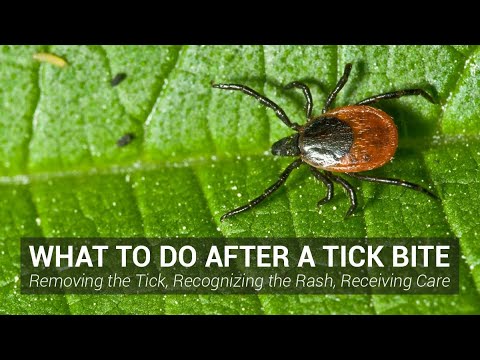
Ticks are arachnids and attach firmly to skin while feeding. If you can spot the pest, use a flea comb for fleas. Remove ticks carefully.
Signs Of Fleas On Pets And In The Home
Pets scratching, tiny dark specks called flea dirt, and biting around the tail, belly, or legs all point to fleas.
A flea infestation can also leave evidence in bedding, rugs, and upholstered furniture because the flea life cycle keeps repeating indoors.
If you find repeated bites after contact with pets, check the home environment closely.
Where Ticks Are Commonly Picked Up Outdoors
People pick up ticks in grassy, brushy, or wooded places and often bring them home after yard work, hiking, or walking a dog.
Different tick species live in different regions, which is one reason daily tick checks matter after time outside.
Signs of ticks are often subtle, so a careful skin check is important even if you feel fine.
Health Risks, Treatment, And When To Get Help
Flea bites usually cause itching and skin irritation.
Ticks can transmit tick-borne diseases such as Lyme disease, Rocky Mountain spotted fever, ehrlichiosis, anaplasmosis, tularemia, and powassan virus.
Home Care For Mild Skin Reactions
For flea bite treatment, wash the skin with soap and water, then use a soothing topical option for itching.
For tick bite treatment, remove the tick carefully with pointed tweezers, grasping close to the skin and pulling straight up, then clean the area well.
Flea treatment at home also includes reducing scratching, since broken skin can become infected.
Tick-Related Illnesses To Watch For
A rash after a tick bite deserves attention, especially if it spreads or resembles a bullseye.
Fever, fatigue, headache, muscle aches, or flu-like symptoms in the days or weeks after a bite can signal Lyme disease or another tick-borne infection.
If the tick stayed attached for an unknown amount of time, your risk may be harder to judge.
When Medical Attention Matters
Get medical help if the bite becomes swollen, hot, very painful, or shows pus, or if scratching leads to infection.
Seek care quickly if you notice fever, expanding redness, a bullseye rash, or any symptoms that follow a tick bite.
If you removed a tick, save it in a sealed bag or take a clear photo for identification, as noted by Mayo Clinic.
Prevention For People, Pets, And Homes

Daily Habits That Lower Bite Risk
Use insect repellent when you are outdoors, and choose ingredients such as picaridin or other tick-focused repellents when appropriate.
Wear long pants in brushy areas, tuck pant legs into socks when needed, and do tick checks after hikes, yard work, or time with pets.
For flea and tick prevention, a daily routine beats occasional reaction.
Pet Protection And Household Flea Control
Keeping pets on year-round flea and tick prevention lowers the chance that fleas move into your home.
Flea collars, flea shampoo, and flea shampoos may be part of a broader plan, along with vacuuming, washing bedding, and monitoring for renewed scratching.
If fleas are already present, address the pet and the home together rather than treating one alone.
When Professional Help Makes Sense
If bites keep appearing or pets stay itchy, you may want to consider pest control. A professional pest control provider can help when fleas spread through carpets, furniture, or yard spaces.
A pest control professional can also advise on persistent tick pressure around the property.


