
When you hear a coyote yip, it’s not just some random noise. Coyotes yip to talk to each other, usually to claim their territory or to keep tabs on family members.
These yips let them send messages across long distances without drawing too much attention from predators or rivals.
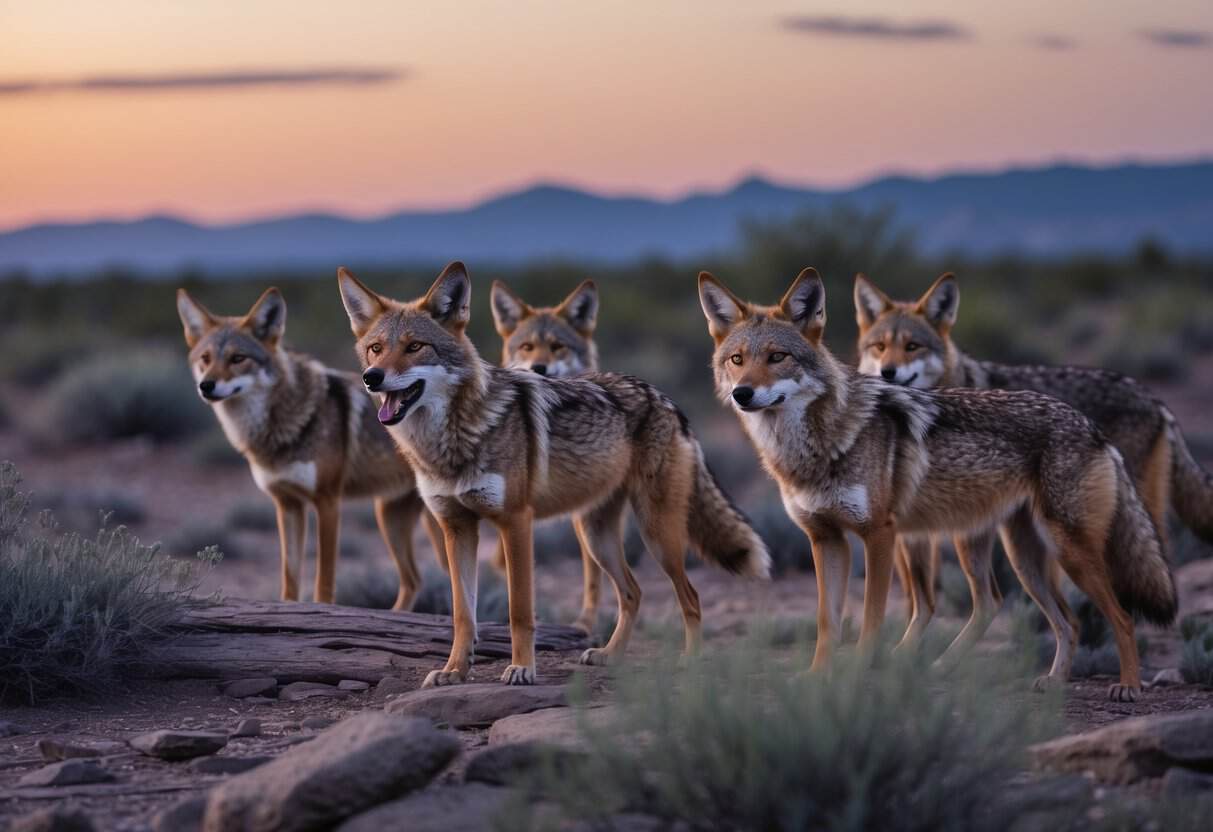
You might notice that yips change depending on what’s happening. Sometimes they’re part of a group call—almost like a family roll call—and other times they show excitement or alertness.
If you’ve ever wondered why coyotes yip or what they’re saying, you’re not alone. Understanding these sounds gives you a peek into the secret life of coyotes right outside your door.
Let’s dig into the meanings behind those sharp, high-pitched yips you hear at night.
Why Coyotes Yip: Communication and Social Behavior
When coyotes yip, they’re sharing important info with their family or neighbors. These sounds keep the pack connected and help protect their territory.
Coyotes use yips, howls, and barks in lots of ways to make sure everyone’s on the same page.
Purpose of Yipping in Coyote Packs
Yipping often grabs attention or sends a quick message within the pack. You might hear a coyote yip to call pups, check where everyone is, or get the group ready for something.
It works like a fast way to share news or feelings without using body language.
Yips also help coyotes coordinate when they’re on the move or hunting together. The sound lets pack members know where everyone is without alerting enemies.
Pitch and length change depending on what they’re feeling—sometimes excitement, sometimes alertness.
Social Bonds and Family Connections
Coyotes stick close to their families, and yipping keeps those bonds strong. When you hear a coyote yip, it might be a greeting between relatives or a way to confirm roles in the group.
Each coyote has its own sound, so they know who’s calling.
These yips often kick off before the pack comes together for an activity. Pups learn their place by answering calls from adults.
If you listen closely, you can usually tell if a yip means happiness, concern, or just a friendly check-in.
Territorial Displays and Group Defense
Coyotes yip to protect their home turf. When you hear a group yip-howl, it’s usually a mated pair or family showing they’re around.
Loud, mixed sounds make the pack sound bigger, which can scare off intruders.
If a pack feels threatened, they’ll ramp up the yipping and barking as a warning. These sounds tell other coyotes to stay away or get ready to defend the area.
Yipping is quick and sharp during these moments, unlike the longer, drawn-out howls that show unity or location.
For more on coyote vocal behavior, you can check out coyote voicings and social communication sites like https://coyoteyipps.com/coyote-voicings/
Types of Coyote Yips and Related Vocalizations
Coyotes use all sorts of sounds to talk. Yips, howls, and barks each mean different things.
If you live near urban coyotes or spend time outside, understanding these calls helps you know what’s going on.
Distinguishing Yips from Howls and Barks
Yips are short, high-pitched, and pretty sharp. They sound quick, almost like little yelps.
Howls last longer and rise and fall in pitch, kind of like a song. Barks are louder and more abrupt.
Each sound has its own job. You’ll hear yips during group howling, mixed with short barks and yaps.
Howls travel far and help with family bonding or marking territory. Barks usually pop up when a coyote feels threatened or wants to warn others.
Situations That Trigger Yipping
Yipping happens most during social moments. Family groups use yips to stay in touch while hunting or traveling.
Alpha pairs lead group yip-howls to show off territory and strength.
Yipping gets louder and more frequent if a coyote feels excited or agitated. If coyotes run into people, dogs, or cars in urban areas, you might hear a sudden burst of yipping.
Perceptions of Coyote Group Size
Coyotes can sound like a big group when they start yipping and howling at night. Honestly, it’s usually just a handful of them making a bunch of different noises.
They mix howls, yips, and barks, and the sounds bounce around the landscape. Your ears get fooled, and suddenly it feels like there’s a whole pack nearby.
Coyotes use this trick to make their pack seem larger, which helps them guard their territory. They don’t really need a crowd to pull it off.
If you hear that chorus after dark, don’t worry too much. It’s probably not as many coyotes as you think.
Learn more about coyote calls and the sounds they make.


