
If you’ve ever heard those weird, high-pitched screams echoing outside after dark, odds are coyotes are out there chatting. Coyotes scream and howl at night to talk to family, mark their turf, and stay in touch over long distances. The sounds might seem spooky, but honestly, they’re just part of how coyotes get their messages across.
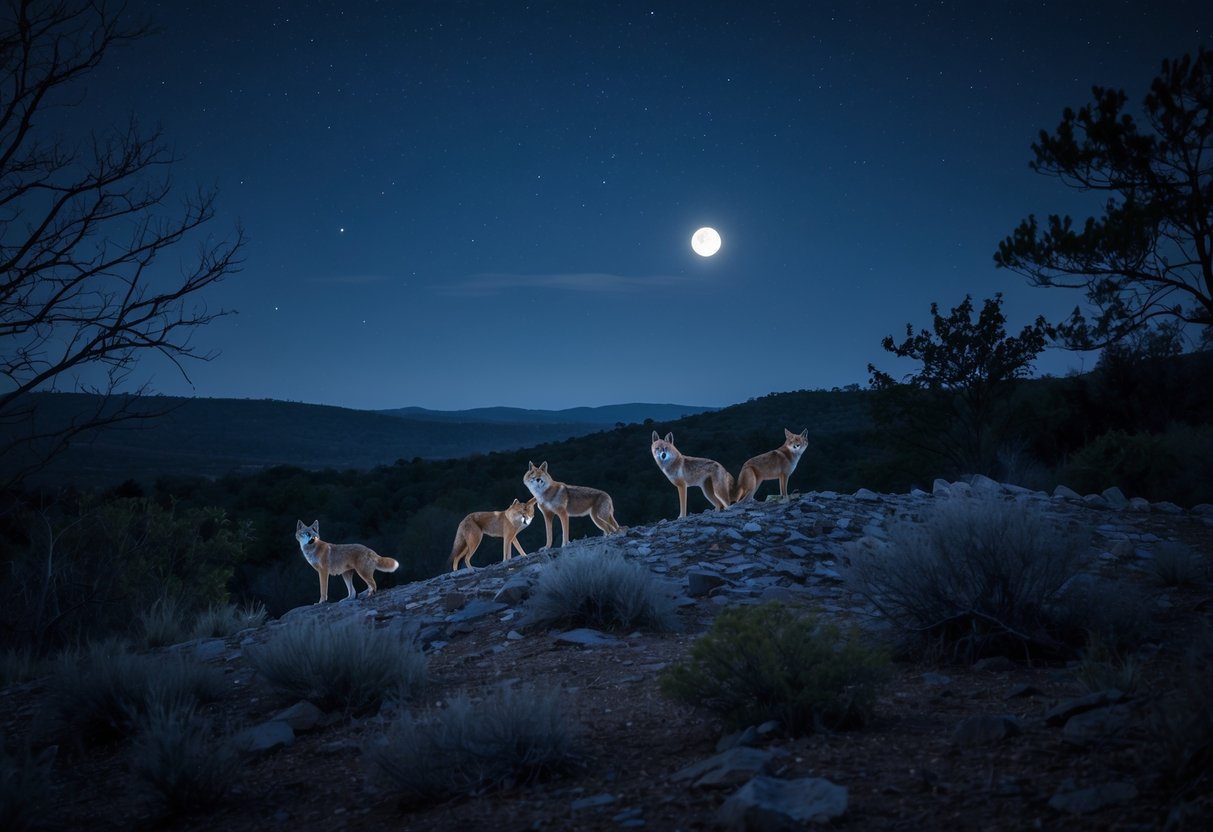
So why do coyotes make these noises mostly at night? Coyotes get more active after dark, and howling helps them stick together or warn other groups to stay away.
If you want to know exactly why they’re so vocal at night, understanding their habits can actually make those strange calls less unsettling.
Curious about what those night sounds mean? Let’s dig into these fascinating animals and their calls.
Main Reasons Coyotes Scream at Night

When you hear coyotes screaming at night, they’re sending out important messages. Coyotes use howls and screams to talk with family, defend their territory, and sometimes to find mates.
Each sound serves a purpose that helps them survive.
Long-Distance Communication
Coyotes often let out loud howls and screams to reach others that are far away. Night air carries their voices even farther, so they don’t have to move around as much.
You might hear a lone coyote howling, almost like it’s checking in with the rest of the group. It’s kind of a roll call.
These calls can also warn about danger or share news about food, keeping everyone in the loop even when they’re apart.
Territorial Defense
Coyotes scream at night to mark and protect their space. They care a lot about keeping their hunting grounds and dens safe.
When a group howls together, they’re making it clear they’re the main pack in the area. This usually keeps other coyotes from causing trouble.
The screams set up an invisible boundary that most other coyotes respect.
Pack Cohesion and Family Bonds
Coyotes live and hunt in family groups called packs. Screaming at night helps them stay connected.
It’s their way of checking in and making sure no one gets lost, especially while hunting.
They also use different sounds—yips, howls—to show excitement, alertness, or comfort. These calls keep the pack working together.
Mate Attraction and Breeding Behavior
During breeding season, coyotes get a lot louder and more intense with their howling and screaming. Males and females use these sounds to find each other and show they’re ready to mate.
You’ll probably notice more howling from January to March. This activity helps them attract partners and defend their breeding spots.
It even plays a part in communicating with pups later on.
For more about why coyotes scream, the Institute for Environmental Research has a good page on it.
Understanding Coyote Noises and What They Mean

Coyotes use a bunch of different sounds to talk to each other, especially at night. Their noises can show if they’re happy, warning others, or maybe feeling stressed.
You might hear howls, barks, or yips—each one means something a little different. Once you get the hang of it, you’ll start to figure out what coyotes nearby are up to.
Howling Versus Barking and Yipping
Howling is probably the most noticeable coyote sound. It can last a while and helps coyotes check in with family or mark their territory.
Coyotes don’t usually howl just for the heck of it. Howls act more like friendly or social signals, not signs of an attack or food.
Barks sound sharper and shorter. Coyotes use them to warn others or show they’re feeling threatened.
If a coyote barks, it might be protecting its den or reacting to danger.
Yipping is higher and sounds more excited. Yips can mean greetings, play, or calling family closer.
Sometimes coyotes yip when they’re all together or even when sirens go off nearby. These sounds often mix together, making it seem like there are more coyotes than there really are.
Individual and Group Vocal Patterns
Every coyote has its own howl pattern, almost like a voice you could pick out on the phone. You might notice one coyote’s unique howl even if others join in.
These patterns help family members recognize each other from a distance.
When coyotes howl or yip as a group, they put together a lively and complex chorus. This shows unity in the family or warns others to stay away.
Sometimes only some coyotes join in, kind of like a “roll call.” Not everyone answers every time.
Group sounds can throw off human ears. What sounds like a whole pack might just be a few coyotes making different noises at once.
This mix helps them protect their territory without needing to fight.
Coyote Sounds and Human Perception
Coyote noises can honestly seem a bit scary or weird, especially if you haven’t heard them much before. Sometimes the screaming or yelping sounds like pain or fear, but it’s often just how coyotes communicate with each other—or maybe they’re annoyed by dogs nearby.
Coyotes pick up on a lot, and they really show their emotions through sound.
When you hear that long howling, especially with sirens in the background, coyotes are probably just reacting to what they think are other coyotes. That’s their way of saying, “Hey, I’m over here,” or maybe, “This spot’s taken.”
Barking at night? Usually, a coyote feels threatened or wants to warn someone off. Yips can sound friendly, almost playful sometimes.
If you get what these sounds mean, you might not feel so uneasy when coyotes are around your neighborhood or out on a hike. Want more details? Take a look at coyote vocalizations.


